


Keto Lifestyle for a Balanced Journey
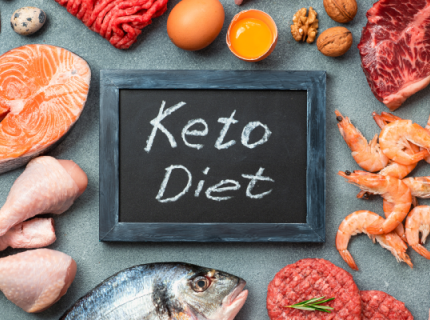
In the dynamic world of biohacking, the ketogenic diet stands out as a frontrunner in optimizing body and mind. This nutritional approach manipulates macronutrients to induce ketosis, where the body relies on fat-derived ketones for energy. As biohackers seek to enhance performance, the keto diet offers sustained energy, mental clarity, and metabolic flexibility. Join us as we uncover its fundamental principles and myriad advantages in unlocking biological potential.
If you want to explore all about biohacking and health optimization, join us at the Biohackers World Conference and Expo in Miami, on October 26-27! This event is a game-changer for those seeking to optimize their health and wellness. Save the date for October 26-27, and get ready for a life-changing experience that will propel you toward a healthier, happier you.

Contents

What Is Keto Diet For Biohackers
At the heart of the ketogenic diet is the metabolic state known as ketosis. Unlike the conventional reliance on carbohydrates for energy, ketosis represents a unique physiological state where the body shifts its primary fuel source from glucose derived from carbs to ketones derived from fat.
Ketosis is a natural process triggered by a significant reduction in carbohydrate intake. In the absence of readily available glucose, the body turns to stored fat, breaking it down into ketones through a process called ketogenesis. These ketones then serve as a potent alternative fuel for the body and, notably, the brain.
This shift from a carbohydrate-dependent state to one centered around fat metabolism is a fundamental aspect of the keto diet. As biohackers explore ways to optimize their cognitive and physical performance, understanding the intricacies of ketosis becomes key to harnessing the full potential of this metabolic hack.
Basic Principles of the Keto Diet
The ketogenic diet operates on a precise balance of macronutrients, strategically formulated to induce and maintain the state of ketosis. This nutritional approach emphasizes high fat, moderate protein, and low carbohydrate intake.
Macronutrient Ratios:
1) High Fat: Constituting approximately 70-75% of daily caloric intake, healthy fats become the primary energy source in the keto diet. Avocado, olive oil, and nuts are staples that fuel the body in the absence of carbohydrates.
2) Moderate Protein: Accounting for around 20-25% of daily calories, moderate protein intake is crucial for maintaining muscle mass and supporting various bodily functions. Sources like meat, fish, and dairy are essential components.
3) Low Carbohydrates: Restricted to 5-10% of daily calories, carbohydrates are minimized to induce and sustain ketosis. This typically involves limiting starchy vegetables, grains, and sugars.
Significance of Each Macronutrient:
1) High Fat: The primary energy source in ketosis, healthy fats provide sustained fuel, support cellular function, and play a crucial role in hormone production.
2) Moderate Protein: Vital for muscle maintenance, immune function, and overall health, moderate protein intake prevents muscle loss while still allowing the body to predominantly rely on fats for energy.
3) Low Carbohydrates: By minimizing carbohydrate intake, the body’s reliance on glucose is diminished, prompting the shift to ketones. This low-carb approach stabilizes blood sugar levels and encourages fat burning.
Foods to Include

Successfully navigating the keto landscape involves curating a menu rich in keto-friendly foods, strategically chosen to align with the diet’s macronutrient ratios. Here’s a breakdown of key categories and some meal examples:
Healthy Fats:
1) Avocado: Slice it onto salads or enjoy it mashed as guacamole.
2) Olive Oil: Drizzle over salads or use for cooking to add a dose of healthy fats.
3) Coconut Oil: Use for sautéing or in keto-friendly desserts for a hint of tropical flavor.
Lean Proteins:
1) Meat: Grilled chicken breasts or beef stir-fry offer protein without excess fat.
2) Fish: Baked or grilled salmon is not only delicious but also a great source of omega-3s.
3) Eggs: Start your day with scrambled eggs or an omelet loaded with veggies.
Low-Carb Vegetables:
1) Leafy Greens: Create a nutrient-packed salad with spinach, kale, and arugula.
2) Cruciferous Vegetables: Roasted broccoli or cauliflower makes for a satisfying side dish.
3) Zucchini and Asparagus: Sauté with olive oil and garlic for a flavorful vegetable medley.
Keto-Friendly Meals:
1) Avocado and Chicken Salad: A refreshing mix of grilled chicken, avocado, and leafy greens drizzled with olive oil.
2) Salmon and Asparagus Bake: Oven-baked salmon paired with asparagus, seasoned with herbs and a dash of lemon.
3) Zucchini Noodles with Pesto: Replace traditional pasta with zucchini noodles and top with a keto-friendly pesto sauce.
These examples showcase the versatility of keto-friendly ingredients, proving that the ketogenic diet can be both delicious and satisfying. By experimenting with different combinations and recipes, you’ll discover a world of culinary possibilities that align with your keto goals.
Foods to Avoid
In the ketogenic world, steering clear of high-carb culprits is vital for maintaining ketosis. Limit or skip grains (wheat, rice), sugar, starchy veggies (potatoes), fruits, and legumes. Why? It’s about preserving ketosis, regulating blood sugar, reducing inflammation, and mastering appetite control for effective weight loss. The strategic exclusion of high-carb items is the linchpin to keto success.
Tracking Macronutrients
In the intricate world of the ketogenic diet, precision is paramount, and the practice of tracking macronutrients emerges as a cornerstone for adherence and optimal results. Understanding the significance of this monitoring is vital for beginners venturing into the keto realm.
Precision in tracking fats, proteins, and carbs is essential to achieving and sustaining the metabolic state of ketosis. Recognizing the individual nature of nutritional needs, macronutrient tracking allows for a personalized approach, catering to diverse goals such as weight management and overall health improvement. It serves as a shield against hidden carbohydrates, ensuring effective management of carb intake.
With a myriad of apps and tools available, individuals have the flexibility to choose options that seamlessly align with their lifestyle, fostering a sustainable and successful journey into the world of ketogenic living.
Staying Hydrated and Electrolyte Balance

Prioritize increased water intake to offset dehydration risks, aiding fat metabolism and easing keto-related side effects.
In the realm of the ketogenic diet, ensuring success goes beyond macros. Prioritize increased water intake to offset dehydration risks, aiding fat metabolism and easing keto-related side effects. Additionally, maintaining a delicate balance of electrolytes—sodium, potassium, and magnesium—is critical for nerve and muscle function. Incorporate electrolyte-rich foods, consider supplementation if needed, and stay attuned to your body’s signals for a thriving keto experience.
Potential Benefits and Risks
Navigating the realm of the ketogenic lifestyle unveils a range of potential benefits and considerations. Chief among these is the effectiveness of keto in promoting weight loss through the utilization of stored fats. Enhanced mental clarity and stabilized energy levels are added perks attributed to stable blood sugar levels.
On the flip side, potential risks include the risk of nutrient deficiencies arising from the restriction of certain food groups. Transition challenges, commonly referred to as the “keto flu,” are temporary and manageable with proper hydration and electrolyte balance. The long-term sustainability of the keto lifestyle may pose challenges, influenced by social dynamics and the need for dietary variety. Additionally, addressing the potential limitation of fiber intake through thoughtful food choices becomes crucial for maintaining overall gut health.
Balancing these nuanced aspects ensures a well-rounded and informed approach to embracing the ketogenic lifestyle, unlocking its potential benefits while navigating potential challenges.
Conclusion
Embarking on the keto journey is a personal evolution. Celebrate small victories, stay patient through challenges, and relish the transformative process. Remember, every step counts toward your well-being and goals.
Next Steps:
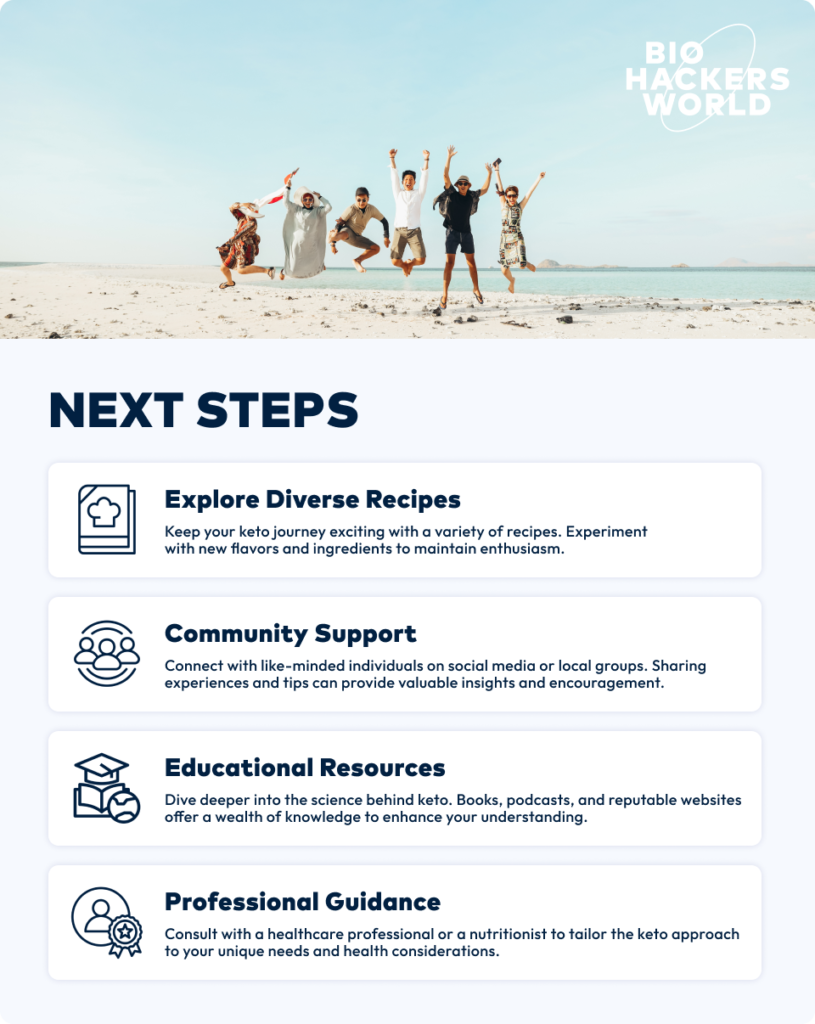
Remember, the keto lifestyle is a continuous exploration. Stay curious, stay committed, and savor the evolving journey towards a healthier, more vibrant you.
for subscribing!