


How Does Electrical Muscle Stimulation Work
Myostimulation is a physiotherapy method that uses electrical impulses to stimulate muscles. This method is often used to strengthen muscle tissue, improve blood circulation, and recover from injuries. Electrical muscle stimulation was developed for medical purposes. Later, the method began to be used in sports, biohacking, and cosmetology. Our biohacking experts explain what it is and why it is done.
Highlights
- EMS uses light electrical pulses to make muscles contract.
- It helps strengthen muscles without heavy joint pressure.
- It may reduce muscle loss during injury recovery.
- Results often appear after several consistent sessions.
- Always consult a medical professional before starting EMS.

Contents
What is Electrical Muscle Stimulation
Electrical muscle stimulation (EMS, myostimulation) is a physiotherapy method in which weak electrical impulses through electrodes on the skin stimulate the motor nerves, causing the muscles to contract involuntarily. These impulses mimic the brain’s natural signals, providing training, strengthening, improved blood circulation, and rehabilitation.
How EMS Works
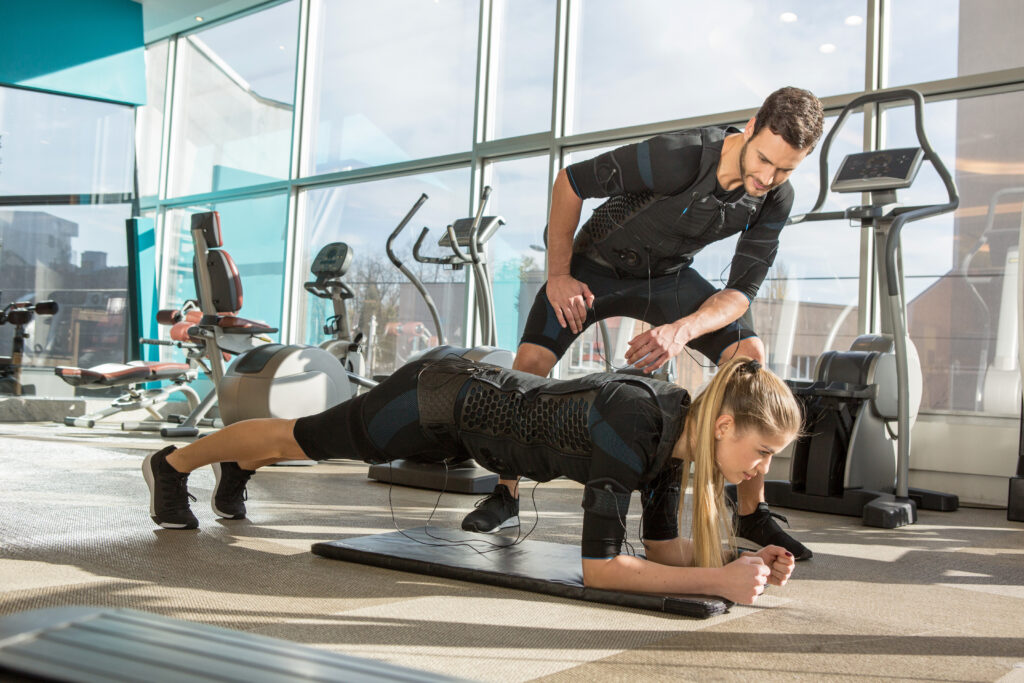
How does electrical muscle stimulation work? The essence of EMS therapy is that electrical impulses of different frequencies are transmitted to the body through electrodes and penetrate the muscle tissue. Myoneurons respond to the impulses and cause muscle fibers to contract. The muscle activity caused by the electrical current improves their condition:
- the risk of muscle tissue dystrophy is reduced;
- blood flow and lymphatic drainage are improved;
- all the necessary nutrients are delivered to the muscles;
- and metabolic waste products are actively removed.
Benefits of EMS
This is a modern, effective procedure widely used in aesthetic medicine, physiotherapy, and fitness. As a result, your muscles work as if you have just left the gym — without overexertion, stress on the joints, or harm to your health. Other electrical muscle stimulation benefits:
- Muscle strengthening — especially important for people with a sedentary lifestyle or after injuries.
- Reducing fat deposits — thanks to accelerated metabolism and blood circulation.

- Improving body contours — muscle tone visually “tightens” problem areas.
- Cellulite reduction — stimulation of lymphatic drainage helps remove excess fluid and toxins.
- Recovery after physical exertion — electrostimulation helps relax tense muscles and relieve fatigue.
EMS in Workout
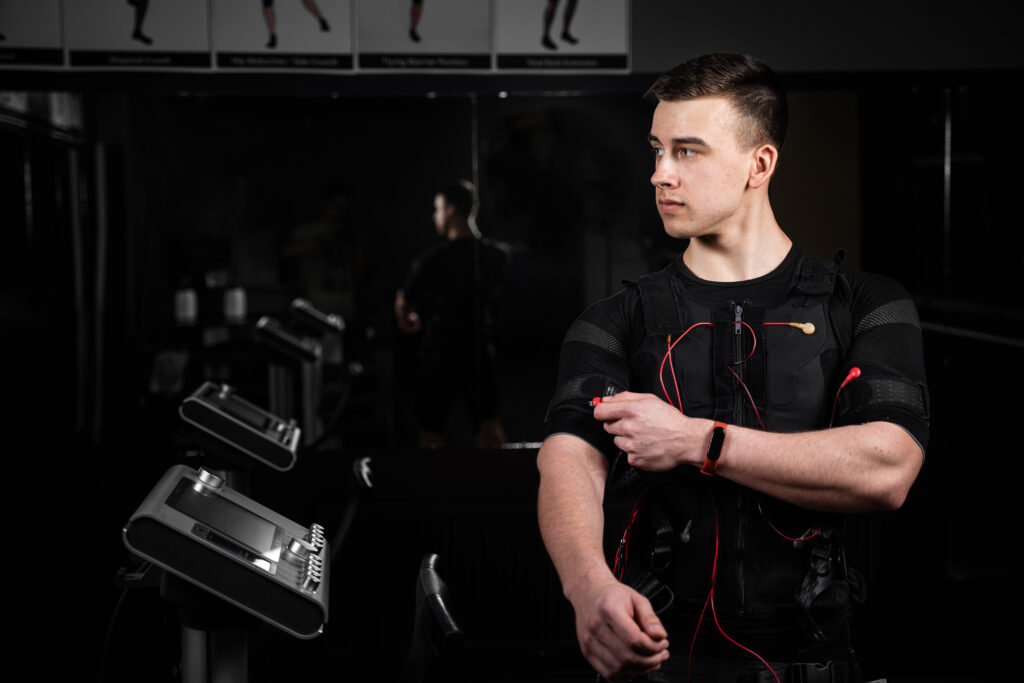
Muscle stimulation is beneficial for athletes. They use the procedure to:
- increase muscle strength and endurance;
- improve reaction speed and movement coordination;
- build muscle mass;
- accelerate recovery after intense training;
- activate regenerative processes after injury.
How to Integrate into Training
Myostimulation works well with training, helping boost tone and strength and speed up recovery. The best approach is to use a muscle stimulator after training (for recovery/relaxation) or on rest days (for light muscle work). EMS sessions will help you feel better, recover faster, and achieve better results. The better you recover, the more effective your strength and functional training will be.
The optimal course is 10–12 sessions, 2–3 times a week. Visible results appear after just 4–5 procedures: muscles become toned, and skin becomes more elastic. To maintain the result, 1–2 procedures per month are sufficient. However, the number and frequency of sessions should be agreed with your therapist.
Best Electrical Muscle Stimulation Devices
“Muscle stimulators are worth the investment if you’re looking to take your workouts to the next level, speed up recovery, or if you’re returning from injury”
says Kyle Sanchez, PT, DPT, CSCS, a physical therapist and certified strength and conditioning specialist at Bespoke Physical Therapy NYC. The best muscle stimulators can help boost strength and accelerate recovery, so here are our top picks.
Therabody PowerDot Uno 2.0
The PowerDot 2.0 uses both TENS and NMES to contract and relax muscles quickly, helping reduce swelling and promoting blood flow to sore muscles. It’s used regularly in the recovery routines of top-level athletes.
- Modes: 10
- Battery life: 20 hours


Compex Performance 3.0 Muscle Stimulator
This device contains an operational control box from which the electrode sensors are attached. The unit comes with multiple settings tailored for strength, endurance, recovery, and pain relief, and the interface is simple to use.
- Modes: 6
- Battery Life: 8 hours
TENS 7000
TENS 7000 has received FDA approval for over-the-counter relief, which gives you the peace of mind that other devices might not provide. The devices have two channels that allow you to provide relief to four different areas using four different electrodes.
- Modes: 5
- Battery Life: 8-10 hours

EMS for Rehabilitation and Pain Management
Electrical muscle stimulation therapy is widely used not only in aesthetics, but also in medical, sports, and rehabilitation practices. Thanks to electrical impulses, muscle fibers contract naturally during physical activity. This opens up a range of possibilities for therapeutic and preventive use. The main indications for electrostimulation are:
- Muscle weakness — after injuries, prolonged immobilization, or a sedentary lifestyle.
- Muscle atrophy — for prevention or treatment in patients with impaired motor activity.
- Postoperative rehabilitation — especially after orthopedic or neurosurgical interventions.
- Osteochondrosis, radiculitis, scoliosis — as an adjunctive physiotherapy to relieve muscle tension and pain.
- Circulatory disorders and edema — stimulates microcirculation and lymphatic drainage.
- Cellulite and decreased skin tone are part of cosmetic programs for body shaping.
- Chronic muscle fatigue — for athletes and active people who need faster recovery.
- Damage to nerve endings — for paresis or neuropathies, to maintain muscle activity.
- After childbirth, to strengthen the pelvic floor, abdominal, and thigh muscles.
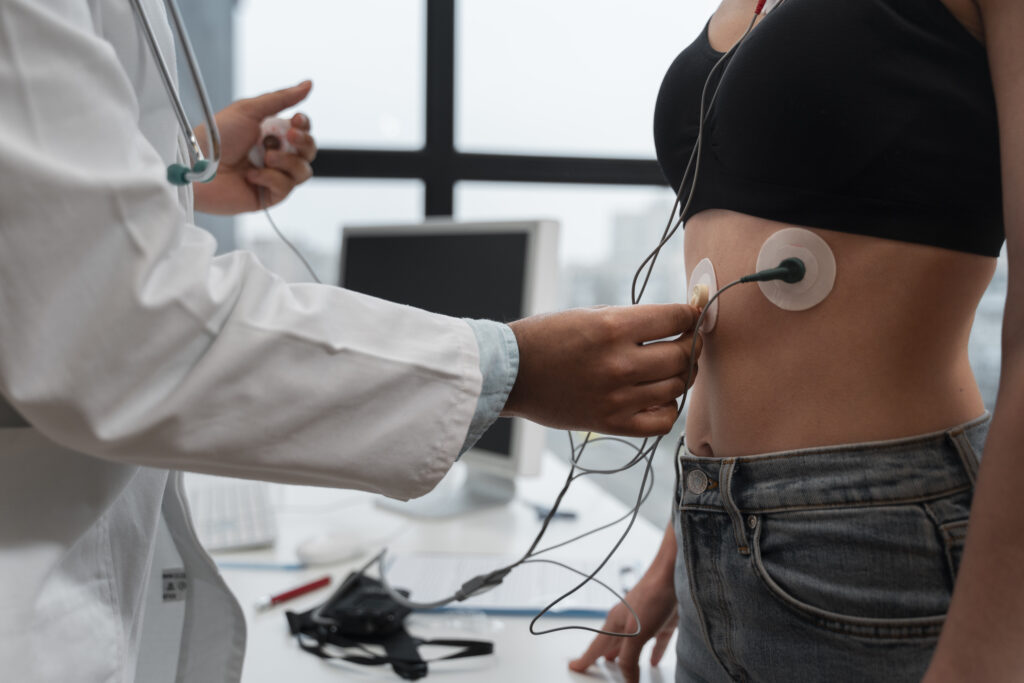
Before undergoing electrostimulation, it is recommended to consult a specialist, especially if you have chronic diseases or contraindications.
Is EMS Workout Safe?
EMS activates skeletal muscles without affecting internal organs or the heart. When used correctly under supervision, it’s considered a safe form of exercise and treatment for injury.
The list of contraindications to exposure to pulsed currents includes the following conditions:
- pregnancy;
- thrombophlebitis, atherosclerosis;
- heart rhythm disorders;
- implants, pacemakers installed in the body;
- stones in the gallbladder, urinary bladder;
- cancer;
- infectious and non-infectious diseases in the acute stage;
- body temperature above 37.5 degrees;
- epilepsy;
- menstruation.
Whereas physiotherapists and doctors are specifically trained to oversee EMS training sessions, most gym employees lack the correct education or knowledge to do so. A failure to properly assess the maximum electrical exposure can cause severe damage to the muscles and kidneys. Although EMS training sessions are brief, they are quite intense, so it is important to drink plenty of water after each session.
Electrical muscle stimulators should be used after prior consultation with a physician.
Conclusion
Modern technologies offer many solutions to improve physical fitness, and electromyostimulation (EMS) is among the leading innovations in this field. It is a powerful tool for accelerating recovery after physical activity and relaxation, if used correctly. EMS can be used for rehabilitation and injury treatment, as well as for training and improving muscle tone. Before starting EMS, it is important to undergo a medical examination to rule out contraindications and determine optimal training parameters.
for subscribing!