


Attending a Biohacking Conference Solo or With Friends
Attending biohacking events is a great opportunity to find like-minded people and meet experts from around the world. However, what is the best way to do this? Should you attend a conference solo vs group? Perhaps you can go with colleagues, but you don’t know how to behave around them. We will tell you about all the options so that you can understand which one is most relevant for you!
Highlights
- Going to a biohacking conference helps you learn, grow, and meet new people.
- Attending alone gives you freedom to explore talks and connect deeply.
- Group attendance brings shared learning, energy, and stronger motivation.

Contents
Attending a Biohacking Conference Solo
Attending a biohacking conference on your own can be one of the most rewarding ways to experience the event. Without the expectations or schedules of a group, solo participants often find themselves more open to spontaneous conversations, deeper learning, and meaningful personal insights. Whether you are a beginner in the world of longevity and optimization or a seasoned enthusiast, going alone offers a unique kind of freedom.
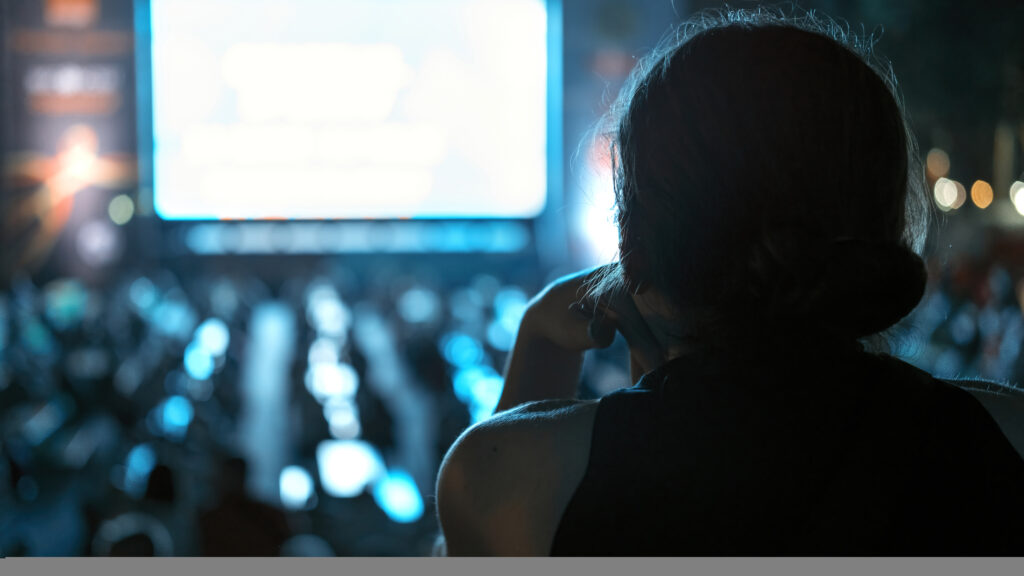
Benefits of Attending Alone
Maximum personal flexibility and focus. When you come to a conference alone, you’re free to choose what truly interests you, without compromising on your friends’ preferences. You can attend lectures, masterclasses, and workshops freely, approach speakers, and ask questions. The in-person format offers the benefits of live communication and engagement: you can interact face-to-face, ask questions, get up close, and observe how others react.
Deep immersion and personal responsibility for your journey. Without a group, it’s easier to focus on your goals, for example, learning about nutrition, sleep, biorhythms, lifestyle approaches, meditation, and biohacking technologies (typical for this type of event).
Attending a conference by yourself allows you to focus entirely on your specific goals, whether that’s attending niche talks or networking with particular individuals. The solo experience forces you out of your comfort zone, which can lead to more meaningful, one-on-one connections you might miss when sticking with a familiar group.
Opportunity for new social connections. Sometimes, coming alone opens you up to new acquaintances: it’s easier to start a conversation with a stranger, discuss a lecture, share impressions, which can lead to new contacts, useful connections, and shared experiences.
Tips for Solo Attendees
- Prepare a personal learning plan. Check the conference agenda in advance. Make a list of sessions you don’t want to miss and topics you want to explore. This gives you direction while still allowing space for exploration.
- Engage in micro-networking. Start with small interactions — compliment someone’s wearable tech, ask about their favorite talk, or join a small group during breaks. These low-pressure conversations often lead to deeper connections.
- Use social apps and conference platforms. Most biohacking conferences offer apps or networking platforms. Create your profile early, browse attendees, and schedule meetups. This helps you enter the event already feeling connected.


- Embrace spontaneity. Go with the flow. Some of the best moments happen unexpectedly — like a hallway conversation with a speaker or joining a small-circle discussion on sleep optimization or nootropics.
- Prioritize self-care. Biohacking events can be intense. Take breaks, stay hydrated, eat well, and get enough rest. Treat the conference as part of your own optimization journey, not a marathon to burn through.
- Study the program in advance — select sessions based on your goals and avoid “decision fatigue” on the spot.
- Take the initiative socially — introduce yourself to people during breaks, ask follow-up questions of speakers, and engage in discussions.
- Keep a critical mindset — biohacking often includes bold claims about health, longevity, or performance. Distinguish between science-backed concepts, personal anecdotes, and marketing.
Attending a Biohacking Conference With Friends or a Group
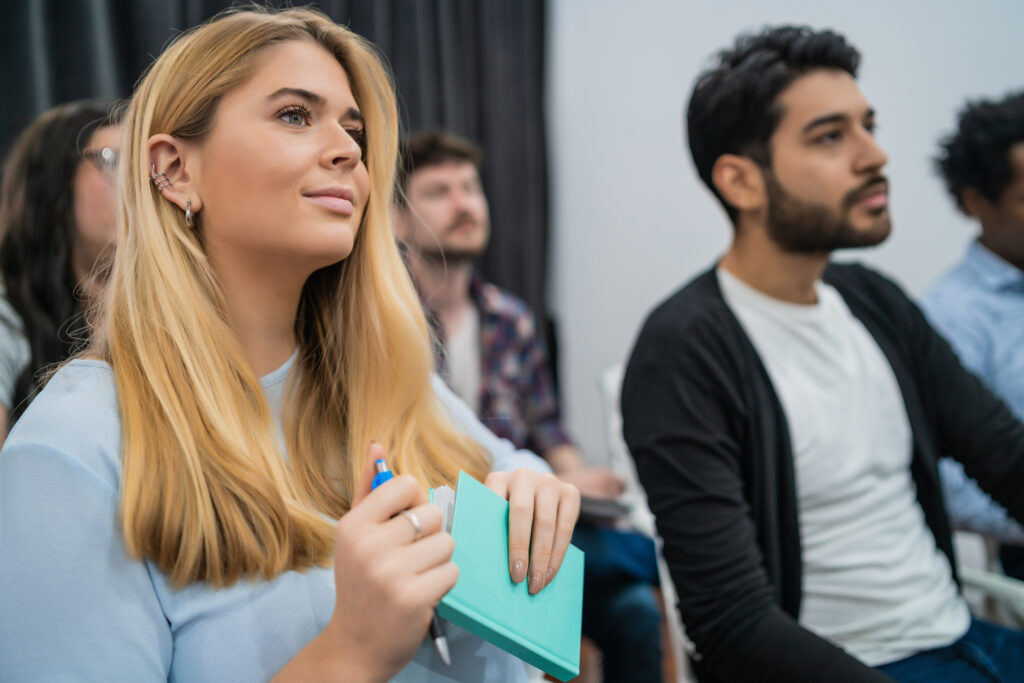
Going to a biohacking conference with friends, colleagues, or a like-minded community can turn into a unique experience. A group attendance often brings more energy, deeper discussions, and collective motivation that can amplify everything you discover at the event.
Benefits of the Group Experience
- Shared learning and broader Perspective
When you attend a group session, everyone takes away different insights, key points, and interpretations. By exchanging notes and impressions afterward, you collectively build a deeper and more complete understanding of the topics presented, from longevity research to sleep optimization to wearables.
- Built-in support system
A group offers emotional comfort, especially during large or highly technical events. If a session feels overwhelming or unfamiliar, it’s reassuring to have friends nearby to discuss it with, ask questions, or simply take a break together.
- Increased motivation and accountability
Friends help you stay on track. Whether it’s showing up early for a keynote or participating in a workshop, the group keeps energy high and motivation strong. After the conference, this support continues as you encourage each other to implement the new habits or tools you discovered.
- Stronger networking opportunities
Attending with others can make conversations easier and more engaging. You can introduce each other to new people, collaborate on questions for speakers, and create a stronger presence at panels or events. Groups often attract more attention, making it easier to connect with experts, exhibitors, or like-minded attendees.

- A more fun and memorable experience
Exploring exhibition booths, trying products, debating ideas over meals, and sharing spontaneous moments all add a layer of enjoyment. The conference becomes not only educational but also a social adventure filled with shared memories.
- Strengthened relationships
Experiencing something intellectually stimulating together brings people closer. Whether you attend with close friends, colleagues, or a local biohacking community, the event helps deepen bonds through shared discovery and excitement.
Tips for Tribe / Group Explorers
- Coordinate your schedules ahead of time
Before the event, review the agenda together and identify sessions you all want to attend as a group. At the same time, decide which workshops or panels individuals will attend separately. This balance helps you cover more ground without anyone feeling overwhelmed or lost.
- Divide and specialize
Assign each person a topic or track — nutrition, longevity, cognition, sleep, wearable tech, mental performance, etc. When each member becomes the “expert” in a chosen area, the group benefits from highly focused insights and more efficient knowledge sharing.
- Create a shared space for notes
Use a group chat or shared document where everyone can drop key takeaways, screenshots, useful links, or quotes from speakers. This becomes a valuable collective archive you can review long after the conference ends.
- Use group presence to network more easily
Approaching speakers and exhibitors is less intimidating in a small group. You can support each other in conversations, ask better questions as a team, and introduce one another to new contacts. Groups naturally spark curiosity, making networking smoother and more dynamic.
- Set group intentions
Agree on what you want to get out of the event: learning specific protocols, discovering new tools, meeting experts, or simply getting inspired. Shared intentions help you stay aligned and ensure the conference feels meaningful for everyone.
- Keep space for personal exploration
Even when attending as a group, it’s important that each person has “solo moments” to wander, explore booths, or join smaller discussions. This prevents burnout and encourages individual discoveries that enrich the group when shared later.
- Plan recovery and reflection time
Biohacking conferences can be intense — full days, packed schedules, and high information density. Schedule time after the event (over dinner or the next morning) to debrief, integrate ideas, and decide which protocols or tools the group wants to experiment with together.
Mistakes That Kill Your Conference Experience

Even the most inspiring biohacking conference can turn into a missed opportunity if you fall into common traps. These events are dense with information, people, and potential breakthroughs, so approaching them intentionally is key. Here are the major mistakes that can quietly sabotage your experience and how to avoid them.
Solo Attendee Mistakes
-
- Lack of a clear goal or plan. Suppose you come “just to see,” without understanding what you want to gain. In that case, you’re likely to get lost among the many lectures and workshops, and fail to find anything useful. Decide what you want to get out of participating and how you will know when you have succeeded. Be specific and tie it to numbers, for example.
- Avoiding socialization and networking. Don’t miss the opportunity to talk to someone you would never have met under other circumstances, interview a biohacker, test new products on the biohacking market, find a partner, etc. Be open, ready for something new, and sometimes it’s worth adjusting your plan for this.
- Avoiding agenda surveying. Check the event website to see who the target audience is, who the speakers are, and what topics they will be discussing. This will help you immediately find topics of conversation and determine the audience’s interests.
- Forgetting to follow up with new contacts. Collecting contacts is only the first step. To make new acquaintances useful, you need to maintain them: for example, send a thank-you letter or message after the event. You don’t have to do it the very next day, but don’t delay too long — if you write to someone a couple of months later, they may not remember where you met. And you exchange links on social networks. In that case, you can maintain communication and interest there: first, you will learn more about the person faster if they have a page, and second, you can leave comments or write a message about your acquaintance’s thoughts.
- Skipping rest, hydration, or nutrition. People try to do everything at once: listen to presentations, hold meetings, hang out with new biohacking friends, and visit after-parties. At the same time, there is not enough time for recovery. Don’t do that. First, focus; second, plan. Be sure to set aside time for short breaks during the day and enough time for sleep. Then you will be more effective. Combine your attendance with pleasure so that you can relax and work.
Group Attendee Mistakes
-
- Lack of preparation. Of course, you can just show up at an event and get to know someone you like, but it’s much more effective to find out the schedule and audience in advance and prepare a speech about yourself.
- Being too closed as a group. Create a team chat, share syncs, be ready to help your mates, ask for help, and solve common problems jointly. But don’t go everywhere together! Split into different places/pavilions. This way, together you will cover more ground, and each of you will be able to add value to the overall result.
- Focus on yourself. We all love to talk about ourselves, but it’s important not to forget about that. After all, the goal of networking is not only to present your interests but also to find common ground with others. Networking is a two-way process, and each side should benefit. Remember: fewer words, more specifics, and open-ended questions for your conversation partner.
- Overscheduling group activities. Trying to eat together, attend all sessions together, and explore the expo together leads to frustration, time pressure, and missed opportunities, sometimes exhausting. Choose only a few anchor moments as a group, such as one keynote and a daily debrief.
Why Tribe Building Matters in Biohacking
At such events, biohackers exchange experiences, share practices, and talk about their achievements. Consequently, you can immediately figure out who might be helpful to you and who you might be interested in. As a rule, people who participate in biohacking events are open to communication, and you can get to know them better, for example, during a break.
Networking is not only about building connections, but also about maintaining them.
- Prepare a short self-presentation. Write a text about yourself that you can deliver in a minute. Rehearse in front of a mirror. The main thing is that your story shows the specific benefits you can bring.
- Take the initiative. Since you came to make new connections, try to actively communicate by asking interesting questions, participating in discussions, and sharing your knowledge and experience.
- Look for common interests. This is a biohacking event, and everyone there is involved in some way. That already makes the task easier! To make it easier to get to know someone, it is important to find common ground, focus on opportunities, and consider what you can offer them. A preliminary analysis of their social media accounts can help with this. For example, you are both interested in technical innovations in the field, breakthroughs in the world of nutrition, or are fans of Dave Asprey. Use it!
for subscribing!