


Biohacking For Better Sleep
Healthy sleep is a key component, if not the key, to your overall health and well-being. When you sleep, your body restores itself, repairs cells, strengthens your immune system and ensures proper brain function. Insufficient or irregular sleep can lead to a variety of health problems, including an increased risk of cardiovascular disease, obesity, depression, and decreased brain function. Good bedtime quality and biohacking for sleep helps reduce stress, improve mood, and increase daily productivity and concentration. Recovering from any physical activity or exercise is essential, allowing your muscles to grow and strengthen.
Highlights
- Quality sleep is vital for brain, body repair, and immune function.
- Darkness, diet, and nervous system balance are key to better sleep.
- Maintaining a cool, dark sleep environment enhances natural sleep cycles.
- Exercise, meditation, and avoiding screens enhance sleep quality.
- Supplements like melatonin, GABA, and magnesium aid restful sleep.

Contents
Biohacking for Better Sleep
Sleep is a physiological need for humans, just like hunger or thirst. If a person is deprived of sleep, he will eventually die. In ancient times, people considered sleep akin to death. After all, when a man lay in bed and closed his eyes, his breathing became less frequent and reduced his reaction to external stimuli. Not without reason, in Greek mythology, the god of sleep, Hypnos, and the god of death, Thanatos, were twin brothers. For thousands of years, people thought that the main function of sleep was rest. However, with the invention in 1928 of the electroencephalogram – a device that allows recording the electrical activity of the brain, and the discovery in 1953 of the phase of sleep with rapid eye movements, scientists realized that sleep is not a monotonous state, but an active process with many functions.
Why the Quality of Sleep Matters
We do not know all the functions of sleep until now. However, forced or conscious restriction of sleep seriously affects the mental and physical health of a person. Not without reason, in China, sleep deprivation was considered one of the most terrible punishments. The Guinness Book of Records does not record experiments with conscious sleep deprivation, considering them deadly. Currently, the scientific and documented record for maximum sleep deprivation belongs to Randy Gardner, who in 1963 was awake for 260 hours and 17 minutes (11 days) without the use of any stimulants.

Even after one sleepless night, which happens in almost every person’s life, there is fatigue, decreased concentration, and difficulties with complex activities. If you do not sleep for 2-3 nights, the coordination of movements and focus of vision is disturbed. Later, there is irritability, slowing of movements, slurred speech, hallucinations, and strangeness in behavior. A person can not maintain a conversation, becomes indifferent to the world around him, and has difficulties performing the simplest household skills. All this only confirms that quality sleep is essential for our bodies.
Now, the number of functions has increased. These include:
- maintaining metabolism;
- improving brain function;
- keeping blood pressure normal;
- helping with weight control;
- keeping the circulatory system in a normal state;
- promoting growth and development in young children and adults;
- improving performance and coordination of movement;
- stimulating creative thinking;
- reducing the risk of various diseases and disorders;
- increasing longevity and preventing early aging.
A good night’s sleep improves cognitive processes. Consequently, it enables memory consolidation, turning short-term memory into long-term memory. Sleep helps in better learning and builds concentration. It also enables students to take tests and exams in school more easily and quickly.
Nevertheless, with the development of technology, people on our planet sleep less and less. According to the American National Sleep Foundation, in 1910, the average sleep duration was 9 hours a day. In 1975, it was 7.5 hours; in 2005, it was 6.8 hours a day. And the downward trend in average sleep time continues. Research on sleep disorders is growing every year. They show that such disorders are dangerous. People who don’t get enough sleep and who pass tests using a driving simulator perform just as poorly or even worse than those who are groggy. Sleep disturbance only increases the effects of alcohol on the body, so a tired person will have many more problems than a well-rested person.
Lack of sleep reduces disease resistance. Neuro mediators during sleep are special chemicals that, like conductors, make our body work smoothly, like a clock. This is why the immune system really needs sleep. People who sleep well are less likely to get sick.
Environmental Sleep Optimisation

Our brain is monitoring all the information from the day during sleep. It maintains the nervous system’s functioning, reduces the risk of disease, normalizes metabolism, and replenishes the body with energy expended during the day. However, our sleep is influenced by numerous external factors. They can worsen it or, conversely, improve it. Many vital processes occur during sleep, and they cannot be ignored.
You could experience insomnia or difficulty concentrating simply because of the improper organization of your sleeping space. Suppose any part of the environment disrupts natural circadian rhythms.
In that case, you won’t have rest even if you’re in bed the whole night. Let’s explore what can interfere with your sleep and how to optimize it.
Temperature
Our body can’t relax properly if the room temperature is too high. Sometimes, your shallow sleep or frequent awakenings may occur simply because of that. It is best to lower the room temperature to 16–19°C. This will help your body produce growth hormone more actively, and you will recover better from stress. Some note that it is easier to fall asleep in a cool room, and they wake up more alert and in a good mood. The reason is that the body spends less on thermoregulation, and metabolic processes are more stable.
Lighting
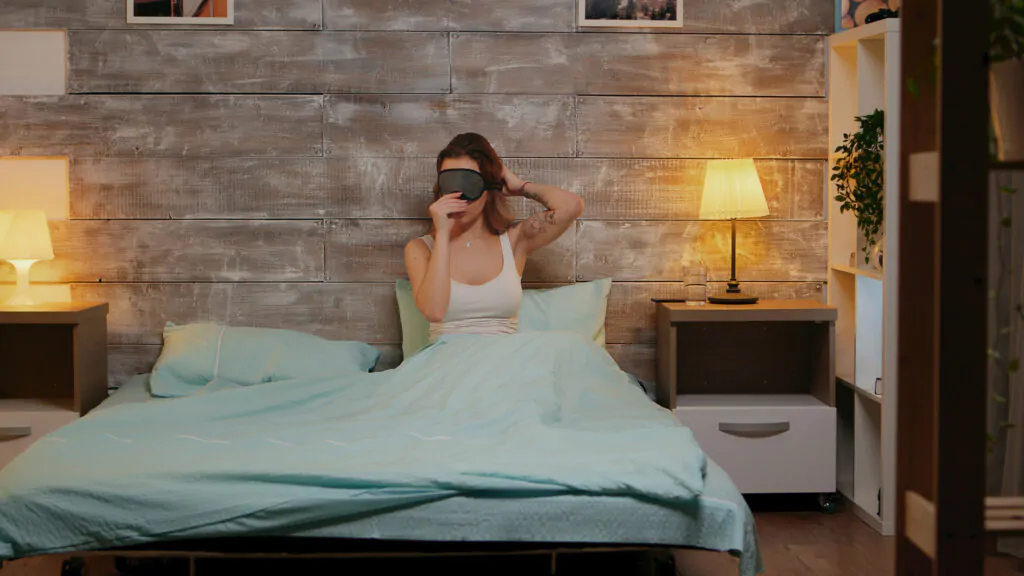
Any light that seems insignificant to you is read by the brain during sleep. This slows down the production of melatonin and disrupts circadian rhythms. This leads to chronic insomnia, weight gain, and constant stress. Make it a habit to turn off your phone an hour before bed and refrain from looking at its screen. Complete darkness is the ideal condition for stable melatonin secretion. Install curtains in your room that block out light. If it’s not possible to create absolute darkness, try using a sleep mask.
Air Purity
If your room is filled with stale, dusty air, it will be challenging to get a good night’s sleep. Our brain needs oxygen. Additionally, our brain perceives air pollution as a stress factor, making it difficult for us to relax. This is why it is recommended to ventilate the sleeping space in advance. This will help you move into a deep sleep phase and feel fresh in the morning. It is essential to ventilate the room for people who suffer from allergies.
Sound Insulation and Sound Therapy
Some people find it easier to sleep with background noise, while others cannot stand even the rustling of leaves and require a complete absence of sounds. Sharp noises, even quiet ones, can wake the brain from a deep sleep phase, not leading to awakening but disrupting the structure of rest. At the same time, background noise – for example, white noise, the sounds of rain, or the ocean – can mask external stimuli and create a sense of sound safety, especially for anxious people. This noise allows the brain to focus on the task at hand rather than random sounds from the outside and to relax more quickly. Scientific research confirms that properly selected background noise can reduce the time it takes to fall asleep and increase the duration of the deep sleep phase.
8 Steps to Biohack Your Sleep
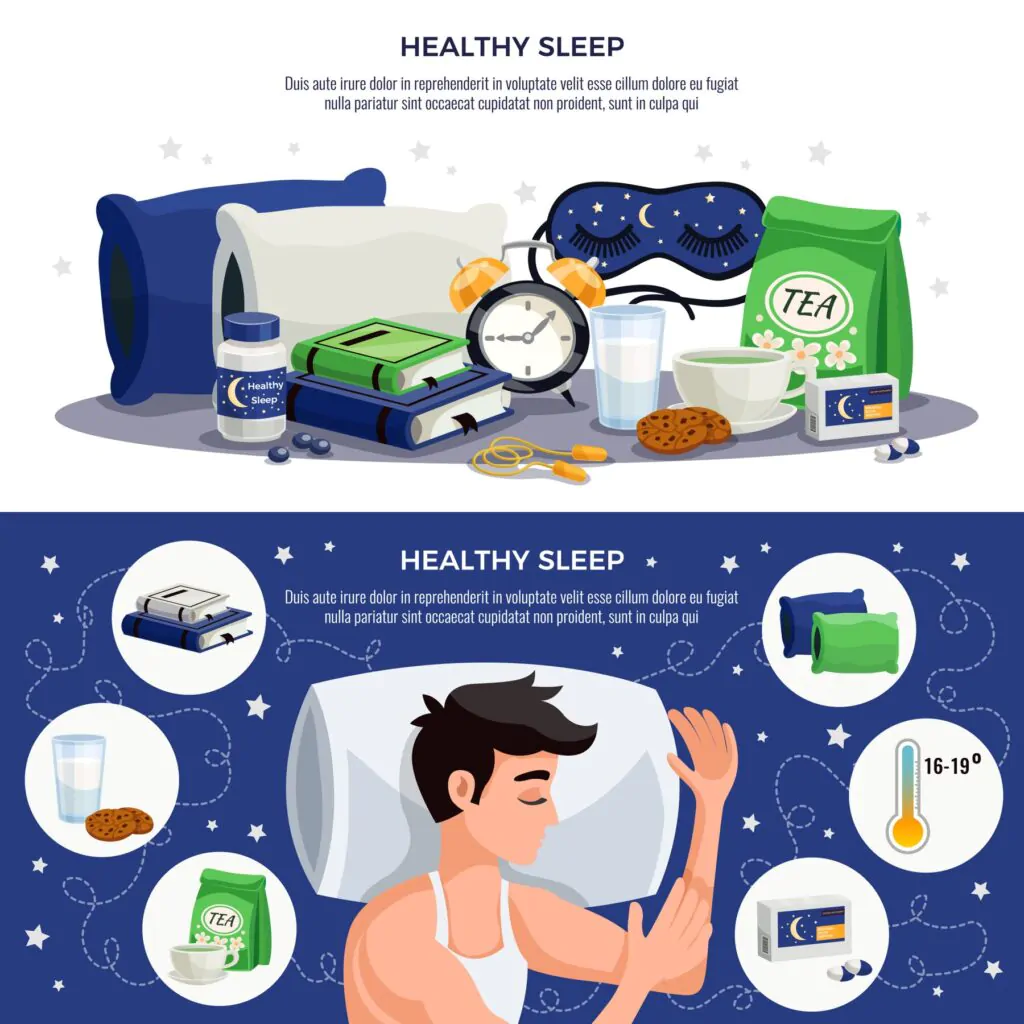
We’ve gathered 8 rules of how to hack sleep to prolong our youth, recover, and replenish our energy levels.
- Sleep in the dark
Our ancestors slept under the open sky and were forced to time their bedtime to coincide with the onset of darkness. But even after thousands of years, nothing has changed – people lead a predominantly daytime lifestyle, and our bodies are still “guided” by circadian rhythms. In turn, they are regulated by natural and artificial light, and thanks to the latter, it is now possible to control sleep and wakefulness. Now, we go to bed later, and additional lighting affects the physiological circadian rhythms of the body. For example, a nightlight, light from a window, or a flame can disrupt the synthesis of two essential hormones responsible for the circadian rhythm – melatonin and serotonin. Of course, at the top of the most harmful to sleep (who would doubt it!) are sources of blue light, that is, the screens of all devices. If you can’t put your phone away before bed, at least activate Night Shift mode in the settings. In that case, it will reduce the brightness to a comfortable minimum for your eyes.
- Melatonin production
Sleep is the best medicine and health practice. Going to bed the same day you wake up is a simple but effective way to maintain health and youthfulness.
During this period – from 10:00 p.m. to 11:00 p.m. – the release of one of the youth hormones, melatonin, which is responsible for the depth and quality of sleep, peaks. Melatonin affects the work of the biological clock, activates immunity, neutralizes free radicals, thereby slowing aging, and protects against many diseases of the cardiovascular system and cancer.
What foods contain melatonin? Bananas, cherries, strawberries, grapes, cabbage, spinach, broccoli, Brussels sprouts, asparagus, tomatoes, salmon, hard cheese, almonds and walnuts, olives, honey, and ginger root.
Australian nutritionist Sharon Natoli says eggs are the perfect dinner dish. This simple food is best for calming us down and relieving nervous tension, and it also helps the body produce melatonin.
- Balancing the nervous system
A healthy nervous system, in time, signals to its owner that it is time to go to bed. If it fails, there is insomnia or interrupted sleep. That’s why it is so important to restore the nervous system: hundreds of essential reactions in the body depend on mental balance. Contrary to popular belief, not only peppermint tea, magnesium, and ashwagandha supplements, warm baths with natural lavender oil, and Epsom magnesium salt, but also meditation, sex, and fitness can help balance the nervous system.
- Meditations
Meditations in a format you are comfortable with, from mindful visualizations to advanced kundalini yoga, are a great way to free yourself from unnecessary worries and thoughts and allow you to return to the moment.

- Sports
Motor activity, such as fitness, jogging, or walking outdoors, should be part of your daily sports routine, not just a few times a week.
- Digital Detox
Psychologists say that everything you think about before you go to bed, your brain processes at night several times more intensively than all other information during the day. That’s why an effective, albeit difficult to accomplish, is to put your phone away at least an hour before bedtime.
- Alcohol Withdrawal
A glass of red dry before bed – a habit that many inhabitants of the stone jungle borrowed from the beauty of Carrie Bradshaw. And it is still worth getting rid of if your goal is to sleep so that all the processes in the body go smoothly. The fact is that alcohol has a deceptive sleeping effect: at first, it really helps you sleep. However, once fully in the bloodstream, it increases blood pressure, sharply interrupts the deep phases of sleep, and provokes frequent awakenings.
- Sex
During sex, many hormones are released: for example, estrogens, oxytocin, dopamine, and adrenaline during sexual arousal, and estrogens, endorphin, oxytocin, DHEA, and testosterone at the moment of orgasm. What is the role of these hormones? Estrogens promote collagen synthesis, especially in the skin. Oxytocin stimulates the immune system and acts as an anti-stressor. It also improves the condition of the skin, nails, and hair. Dopamine has antidepressant properties and fights the harmful effects of free radicals. Adrenaline reduces fat mass. Endorphins calm and reduce anxiety. Testosterone and DHEA are excellent antidepressants that provide energy and improve skin tone.
Biohacking Supplements For Sleep
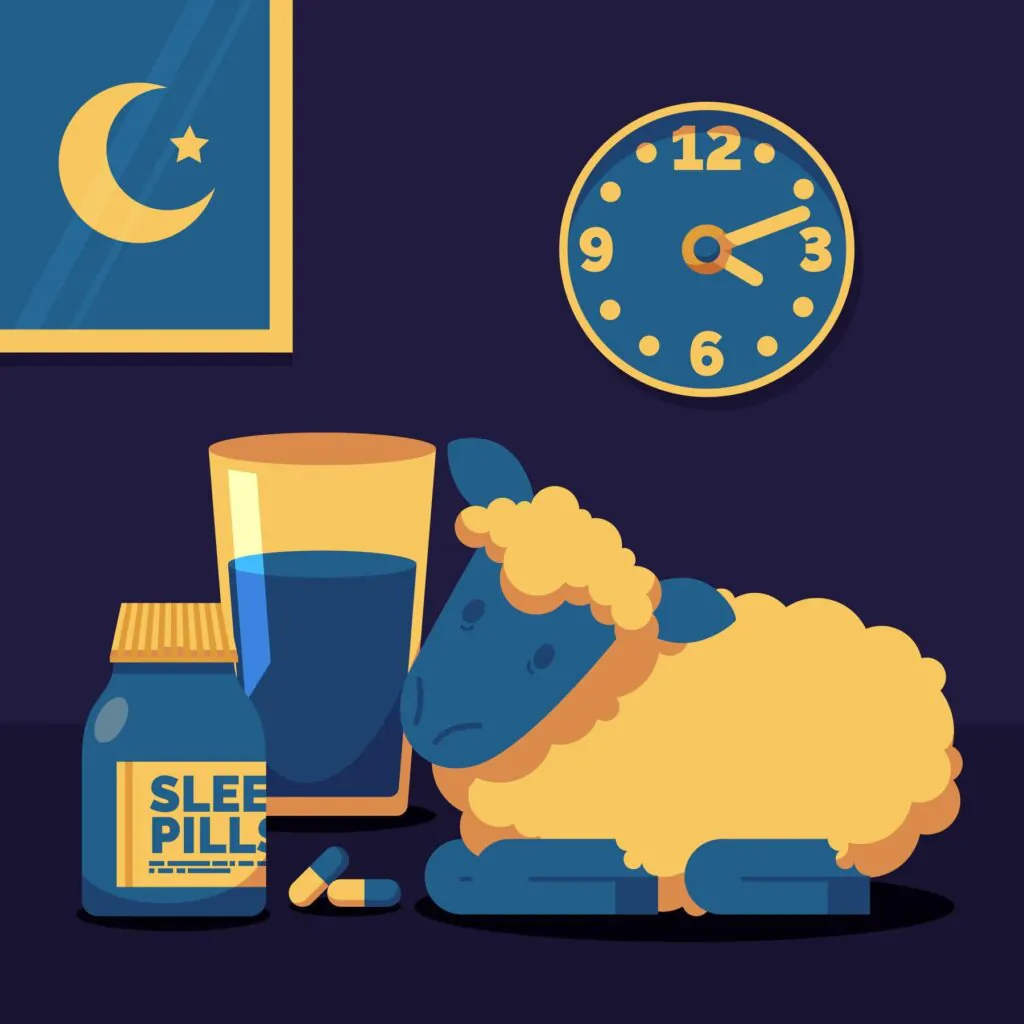
Sleep supplements can significantly improve sleep quality and help the body recover quickly. Melatonin, a natural hormone that regulates the sleep cycle, enables you to fall asleep faster and improves sleep quality. GABA (gamma-aminobutyric acid) promotes relaxation and reduces anxiety, essential for restful sleep. Magnesium is known for its ability to reduce muscle spasms and promote overall body relaxation. Ashwagandha, an adaptogenic herb, helps reduce stress levels and improve sleep quality. Glycine, an amino acid that helps calm the nervous system, may help improve sleep duration and quality. 5-HTP (hydroxytryptophan) supports the production of serotonin, which contributes to a better mood and better sleep. There are numerous benefits to using these supplements for those who have difficulty falling asleep or experience insufficient recovery from sleep.
Biohack Your Sleep Cycle
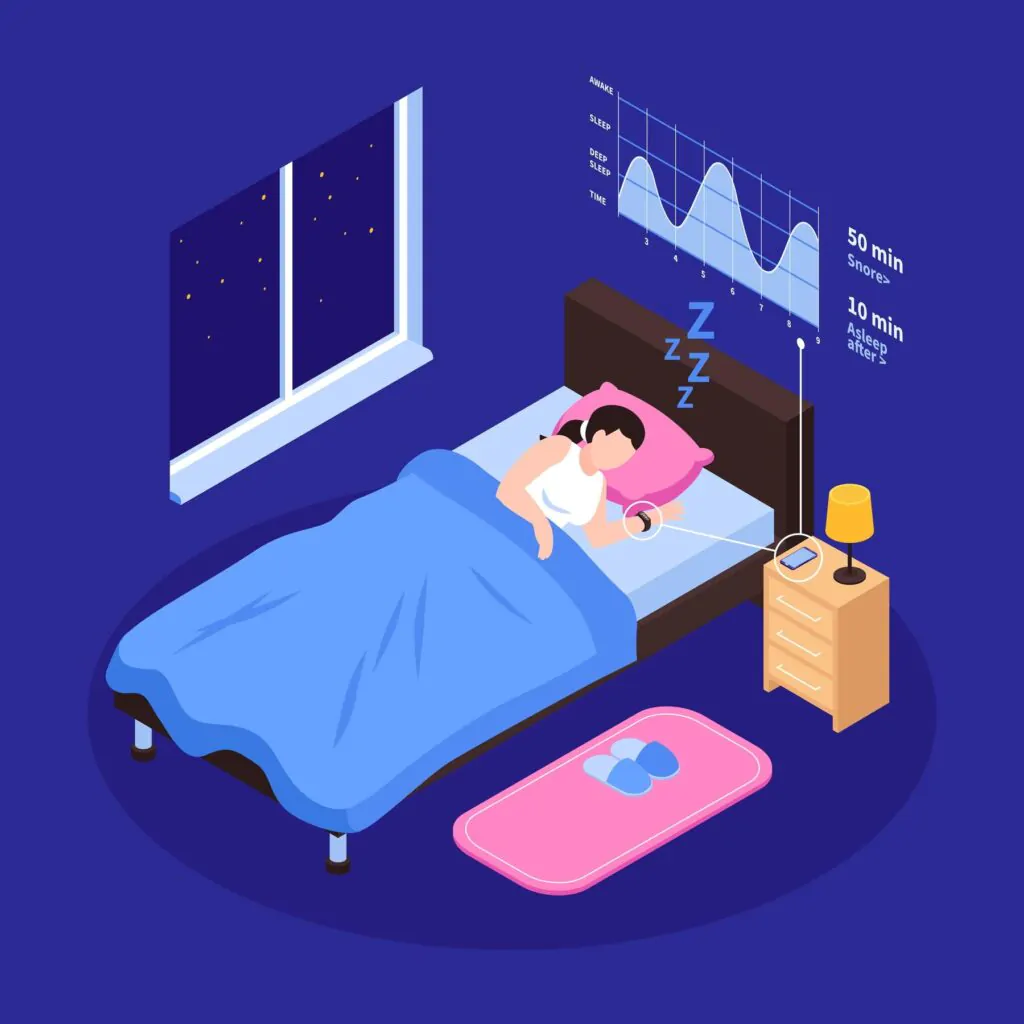
How do you make your individual sleep schedule? Biohackers claim to know the answer to this question. They pay special attention to sleep and have tons of tricks and devices designed for healthy and beneficial sleep. Will they be useful for the rest of us?
During the cycle, all the phases of sleep change – first, there is shallow sleep, then deep sleep, and all ends with shallow sleep again. The average duration of such a cycle is an hour and a half. Most people go through 4-5 such cycles per night. But there are variations: some people may have a short phase of only 1 hour and 20 minutes, while others may last up to 1 hour and 35 minutes. For each person, the phase duration is individual and fairly constant. Anyone can calculate their cycle more accurately than any gadgets to wake up in the phase of surface sleep. To do this, you should go to bed strictly at the same time during the week, and when you get up, you need to immediately fix the time and assess your condition. When getting out of bed, you felt unrested and broken, then, most likely, skipped the phase of surface sleep and woke up when sleeping deeply. On days when you woke up easily and felt good – you woke up in the surface sleep phase. Having estimated how much time you slept in such a night, you can calculate the duration of your personal cycle, considering that it is 80-95 minutes. Knowing it, you can always calculate when to set your alarm clock to sleep 4, 5, or 6 cycles and wake up in the surface sleep phase. Since the optimal sleep time is no less than 7 hours and no more than 9 hours, this number of cycles falls roughly within these limits.
Research shows that it is possible to reduce total sleep time without losing sleep quality. Since time is usually short in our rhythm of life, this can be utilized. In an experiment, people slept two times a night for about three hours each. The total was about six hours, which is an hour less than the minimum recommended 7 hours. This allowed us to increase the duration of the deep sleep phase, which is very important for getting a good night’s sleep.
What About Napping During the Day
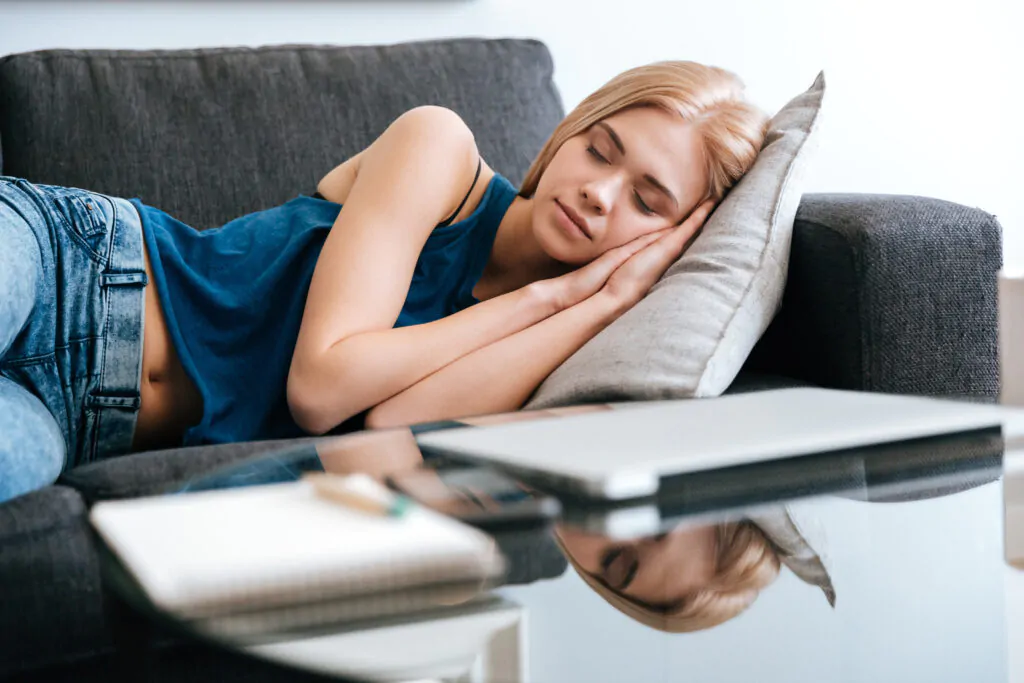
A lot of us enjoy taking a nap in the middle of the day. But is it good for you? Napping during the daytime is not inherently harmful. It can be a powerful recovery tool, especially if you are sleep-deprived at night. However, its effectiveness depends on the time and duration. It’s better to take a nap between 1:00 PM and 3:00 PM, when energy levels naturally drop. Don’t make it too long; 10-30 minutes will be enough for recovery. Longer sleep can cause some damage to your internal clock, especially if you do not get enough sleep at night.
However, if you suffer from insomnia or difficulty falling asleep in the evening, a nap can actually exacerbate the problem. It is also worth remembering that not everyone feels good after a daytime nap – for some, it causes inertia upon awakening and brain fog. This is an individual parameter, and you need to test it on yourself. The main thing is not to turn daytime sleep into a replacement for nighttime sleep: it should be a supplement, not a substitute.
Advanced Biohacking Methods for Sleep
Of course, it is important not only to understand theoretically how the stages of sleep and their cycle work, but also to recognize their practical applications. What can we do to biohack our sleep?
Best Items for Quality Sleep
Start with organising your sleeping space. A good mattress and pillow, along with quality bedding, can significantly enhance your sleep experience without altering your daily routine. Your back and neck must be adequately supported during sleep to prevent them from sagging. Otherwise, micro-tensions are created in the body, which prevents full recovery.
Be careful when choosing bedding. Synthetic fabrics do not breathe as well as natural ones, which can interfere with the body’s ability to regulate its own temperature. As a result, you may not get enough sleep. Additionally, cotton and satin are more pleasant to the touch than polyester. Pay attention to the choice of what you will cover yourself with. For example, a weighted blanket helps the nervous system relax and reduces anxiety. Aromatherapy, combined with biohacking sleep serum, can also be beneficial for calming the nervous system.
Simply put a few drops of it on your pillow. Mostly, such serums contain essential oils of neroli and lavender. It will help you relax and fall into a deep sleep. Additionally, you can place them in a humidifier or air diffuser.
Best Apps for Sleep

To improve your sleep using biohacking, consider trying some of these apps. You can track all your brain activity and adjust it as needed, or even improve the entire sleep cycle with them. Sleep Cycle utilizes the phone’s microphone and accelerometer to wake you up in the optimal sleep phase. Thanks to this, you don’t feel broken after awakening. Apps like Calm and Headspace have meditations, breathing exercises, and sleep stories that help you calm down and concentrate. Try Noisli or Rain Rain to block out external noises.
These sleep apps help you create the soundscape, from rain to white noise. Pzizz works well for daytime nappers. Its audio signals quickly put you into a state of relaxation. And if you use sleep trackers such as the Oura ring, WHOOP bracelet, or Apple Watch, the built-in apps will help you track the impact of your habits and environmental factors on your sleep. This allows you to make informed decisions: for example, to understand how an evening workout or a late-night coffee affects your sleep.
Biohacking Sleep for Shift Workers
Working the night shift greatly disrupts biological rhythms. The body is naturally tied to the cycles of light and darkness. With the onset of night, melatonin production should increase, and the body should prepare for sleep. During shift work, this mechanism is disrupted, affecting the functioning of the entire body, including hormones, immunity, and mood. To minimise the consequences, it is essential to create conditions in which the body at least feels stable. Go to bed and get up at the same time, even if the schedule is unnatural. Do not confuse the brain even more; distinguish between the phases of wakefulness and rest.
Darkness is your main ally. Simple use of sleeping masks, blackout curtains, and eliminating screen light before bed will biohack your sleep cycle. Acustom your body to nighttime during the day: eat light food, take a slow shower, and avoid bright light for at least an hour before bed. You can use melatonin to gently correct the rhythm, but only after consulting a doctor. It is better to engage in physical activity during the day, rather than after the shift. Training immediately after the night shift can only aggravate the body’s stress and interfere with falling asleep.
How to Avoid Insomnia During a Stress Period
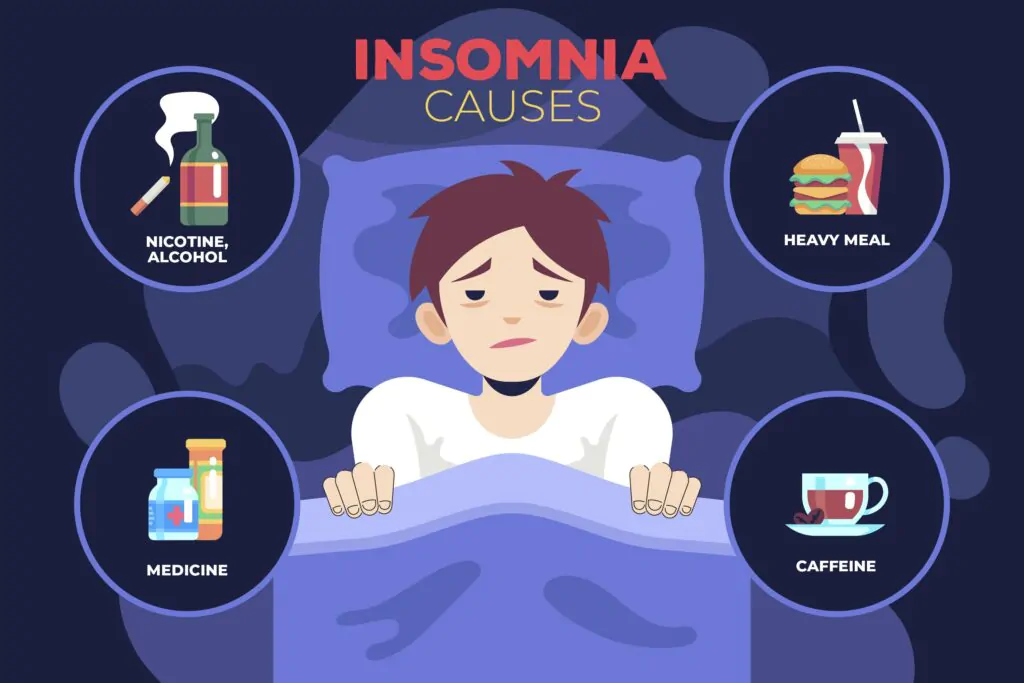
One of the common causes of insomnia is an overloaded brain. When you go to bed, your head continues to think about work tasks and anxious thoughts. Your body is physically ready for sleep, but your brain is not. At such moments, it is essential to establish a ritual of switching off.
Taking stable actions before bed, such as sipping a cup of tea or taking a warm shower, creates predictability, and the brain understands more quickly that it is time to sleep.
The technique of writing out thoughts also helps – 15 minutes before bed, simply write down everything that is spinning in your head. This unloads the mental system, and the level of anxiety is significantly reduced.
Avoid stimulants closer to the evening: coffee, strong tea, and nicotine. Even evening discussions of conflicting topics can increase cortisol levels and interfere with falling asleep. Try breathing exercises such as the 4-7-8 method or simply extended diaphragmatic breathing to achieve a state of relaxation. It helps activate the parasympathetic nervous system and let go of stress. Gentle stretching or yoga nidra can also be effective.
How to Avoid Nightmares
Quite often, nightmares haunt us after a hard day or when our thoughts are full of anxiety. In this way, the psyche attempts to process intense tension. This phenomenon occurs especially frequently during the REM phase of sleep. This is when you process emotions and memory. Suppose you drank alcohol, heavy food, or took drugs such as antidepressants or stimulants before going to bed. In that case, this can also cause bad dreams. It is essential to understand the root of these dreams, rather than simply dismissing them.
Try to reduce the level of brain arousal before going to bed. Set yourself up with calming music, meditation, and light herbal tea with chamomile. If you have recurring nightmares, try writing them down and analysing them; perhaps your psyche is trying to tell you something important during your unconscious state. In this case, it makes sense to seek help from a psychotherapist and work through the experience that has traumatised you before. Our psyche is amazingly structured and always tries to help us feel better, albeit sometimes in unexpected ways.
Bonus Sleep Biohacks and Pro Tips
Many non-standard, yet highly effective techniques can help improve sleep, especially when classic advice is ineffective. Let’s take a look at a few tips that can help biohack your sleep and improve it.
- Make it a routine. Your sleep schedule should be consistent each day. Yes, at first it is hard to set yourself up for it. But such a habit helps your heart support and structure the natural rhythm.
- Don’t nap too much. Concentrate on resting at night – it will help to stabilise your blood pressure. Biohacking to get less sleep may be the best solution for napping enthusiasts. Try to make them shorter. Just 20-30 minutes will be enough.
- Leave your phone before going to bed. Blue light from the screen of your phone or laptop decreases melatonin production. Giving up screens an hour before bed, even with a blue light filter, gives a tangible effect in 3-4 days.
- Among the supplements, it is worth paying attention to magnesium glycinate, L-theanine, glycine, and ashwagandha – but only after consulting a doctor.
- Avoid polyphasic sleep, which involves splitting your sleep throughout the day and not getting proper sleep at night. This approach leads to a breakdown of the nervous system and loss of focus. Focus on having a complete sleep cycle at night.
for subscribing!