


Best Wearable Devices for Biohacking Optimization
Biohacking wearables are changing how we keep track of our health, recovery, and lifespan. These gadgets, from simple smart rings to high-tech fitness trackers, constantly track your sleep, stress, metabolism, and how your heart rate varies. They pair accurate sensors with easy-to-use apps so you can make smart choices with real data to boost your energy, resilience and overall health.
Every tracker has its own superpower: Oura nails sleep details, WHOOP helps you bounce back, Garmin tracks stamina, and Fitbit makes health checks easy for everyone. Together they mark a new age of personal health tech that helps people boost performance, avoid sickness, and stay healthy for years with daily tracking.
Highlights
- Oura Ring delivers precise sleep and recovery insights with HRV and temperature tracking.
- WHOOP focuses on recovery and strain management, ideal for athletes and performance optimization.
- Garmin offers advanced endurance metrics, long battery life, and professional training analytics.
- Fitbit provides affordable, reliable health tracking with strong sleep analysis for everyday users.

Contents
Wearable biohacking devices are smart gadgets that help you monitor your health, sleep, and stress levels and optimize your well-being. These include various portable devices, such as smart rings, sleep trackers, and continuous glucose monitors. They collect real-time data on bodily functions, heart rate, and body composition, which is then analyzed to improve your well-being and energy levels. Which ones should you choose?

What makes a good biohacking wearable?
A good biohacking wearable provides accurate data, actionable insights, and comfortable continuous tracking focused on key metrics such as heart rate variability (HRV), sleep stages, and recovery.
When choosing a device, it’s important to consider several key characteristics that ensure the device’s durability, the accuracy and reliability of its readings, as well as a modern interface and up-to-date data, all of which make the wearable convenient and effective for any biohacker.
- Accuracy: this measure assesses the device’s ability to collect pure physiological markers without distortion. Technologically, this is achieved through high sampling rates of optical sensors and artifact-filtering algorithms. This is important because any errors in the raw data render all subsequent analysis inaccurate.
- Battery life: here, it’s important to analyze the device’s battery life during continuous background operation of all its sensors. For high-quality tracking, the device must be able to operate for several hours or even days without recharging. This parameter is critical, as frequent charging leads to the loss of nighttime data and inaccuracies in the graphs.
- Comfort: this criterion covers ergonomics, weight, hypoallergenic materials, and the level of protection provided by the casing. The device should have a streamlined shape and be as lightweight as possible so that it remains completely unnoticeable on the body during 24/7 wear. Bulky, heavy, or uncomfortable casings are unwearable, uncomfortable, and directly skew the metrics we’re trying to measure.
- Mobile app and data insights: this standard evaluates the software architecture and its ability to calculate the user’s personal baselines. Smart software should not only display figures for the current day but also compare them to long-term trends and behavioral tags.
- Health metrics tracked: here, it’s important to have in-depth biomarkers of the autonomic nervous system that go beyond standard fitness metrics. A high-quality tracker must measure millisecond-level heart rate variability (HRV), resting heart rate dynamics, and skin temperature deviations. This criterion is important because without this data, it is impossible to assess the actual level of systemic stress and the body’s readiness for physical exertion.
- Integration: this parameter determines the ecosystem’s openness, the availability of APIs, and the ability to export data directly. A professional device must support uploading metrics to central health hubs and exporting raw files in CSV or JSON formats. Comprehensive biohacking requires integrating tracker data with third-party analytics dashboards, devices, and software.
Best wearable devices for biohacking optimization
Oura Ring
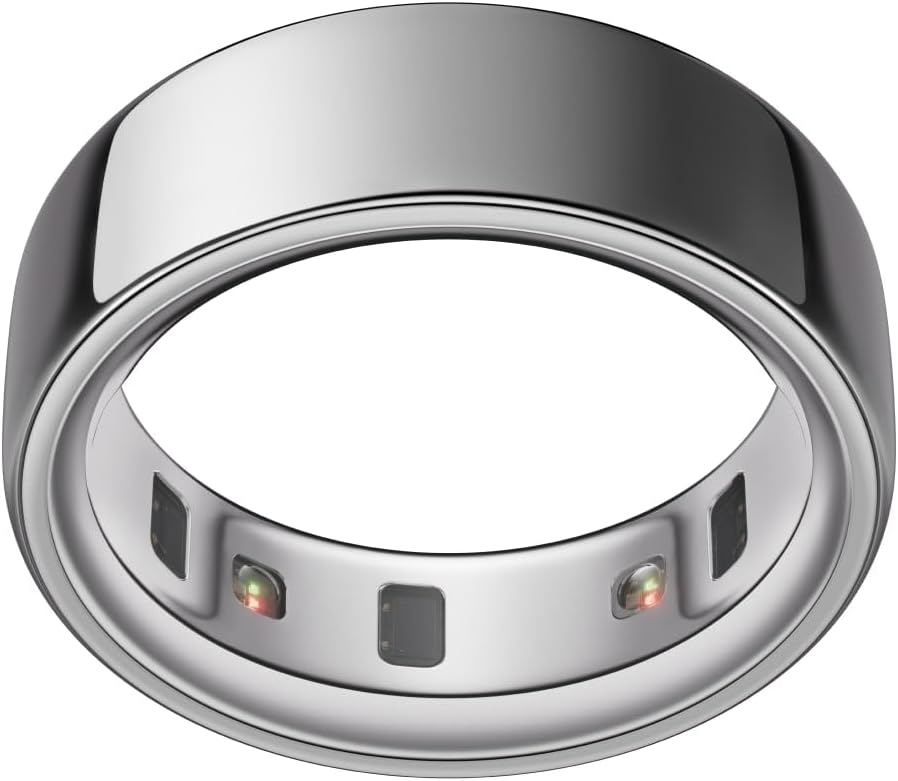
The Oura Ring is a smart ring for in-depth monitoring of health, sleep, and recovery that has become a cult favorite among biohackers thanks to the accuracy of its sensors and the convenience of its form factor. The device continuously tracks key physiological metrics without distracting screens or notifications.
Key features for biohackers
- Sleep analysis: accurately identifies sleep stages (deep, REM, light), as well as the times you fall asleep and wake up.
- Heart rate variability (HRV): measures your heart rate at night to assess nervous system function and stress levels.
- Body temperature: detects even the slightest fluctuations in skin temperature, helping you recognize fatigue or the onset of illness early on.
- Readiness score: provides a comprehensive indicator showing whether your body is ready for exercise or needs rest.
Pros and cons of the device
- Pros: lightweight titanium case, up to a week of battery life without recharging, and highly accurate measurements compared to a watch.
- Cons: the high price of the ring itself and the need for a paid monthly subscription to access all analytical reports in the app.
WHOOP
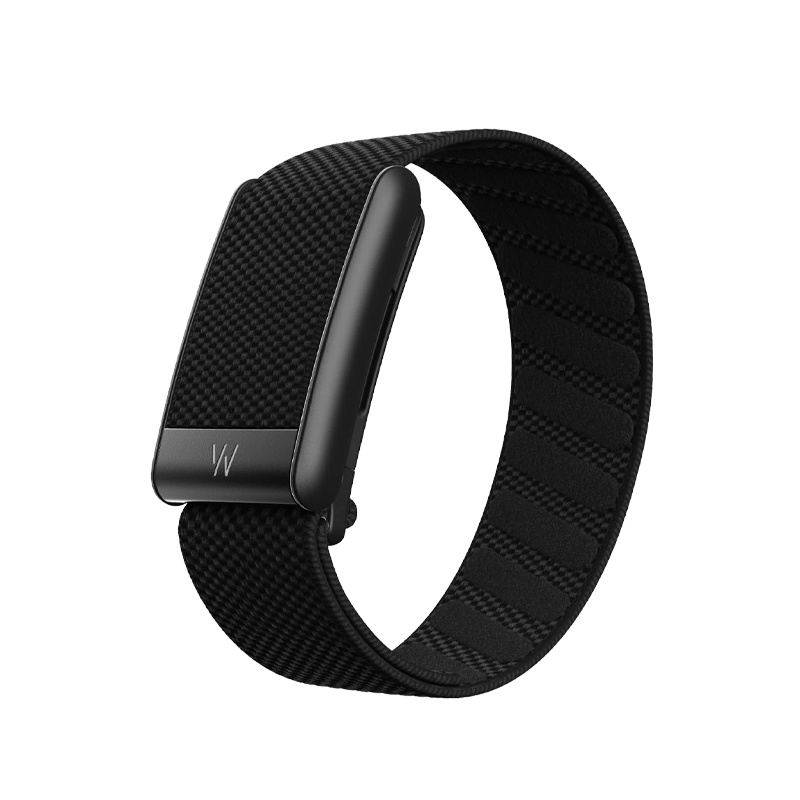
WHOOP is a cutting-edge, screenless fitness tracker designed to provide in-depth monitoring of recovery, sleep, and stress levels through detailed analytics. The device doesn’t simply count steps; instead, it focuses on three key metrics: Recovery, Strain, and Sleep.
Key features for biohackers
- No screen: the tracker doesn’t distract you with notifications and runs in the background 24/7.
- Heart rate variability (HRV): accurate measurement of nervous system activity during deep sleep.
- Habit journal: an in-app feature for tracking the impact of caffeine, alcohol, supplements, stress, and food on your body metrics.
- Strain assessment: real-time calculation of cardiovascular and muscular strain to help you avoid overtraining.
Pros and cons of the system
- Pros: highly accurate sensors, in-depth analysis of sleep stages, convenient form factor (can be worn on the wrist, bicep, or integrated into clothing).
- Cons: operates exclusively on a paid monthly subscription model; completely lacks the familiar functionality of a smartwatch.
Apple Watch
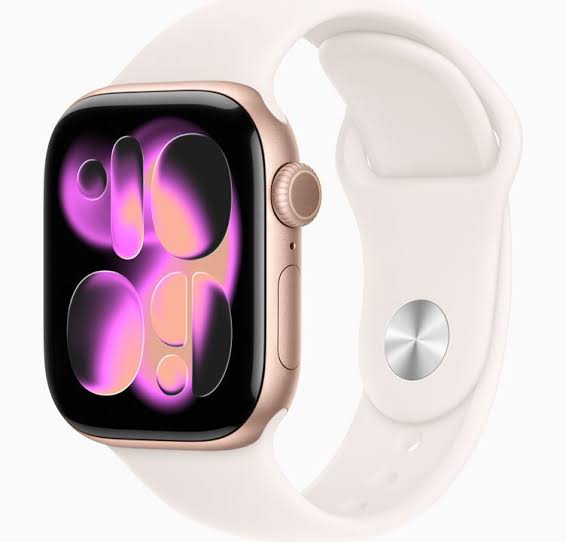
The Apple Watch is a smartwatch that has become a convenient, powerful, stylish, and functional tool for biohackers, offering — in addition to its core features — continuous heart rate monitoring, sleep analysis, and blood oxygen level measurement. It helps track key physiological metrics to optimize health and productivity.
Key features for biohackers
- Sleep stage monitoring: analysis of sleep quality, time to fall asleep, and wake-up time.
- Heart rate variability (HRV): assesses stress levels and nervous system recovery.
- Oxygen saturation (SpO2) and wrist temperature: early detection of signs of illness or inflammation.
- ECG (Electrocardiogram): checks heart rhythm for abnormalities.
Pros and cons for biohackers
- Pros: accurate sensors, the Apple ecosystem, quick access to nighttime health metrics in a single app.
- Cons: requires daily charging (unlike specialized trackers like Oura or Whoop), distracting notifications if not turned off.
Garmin
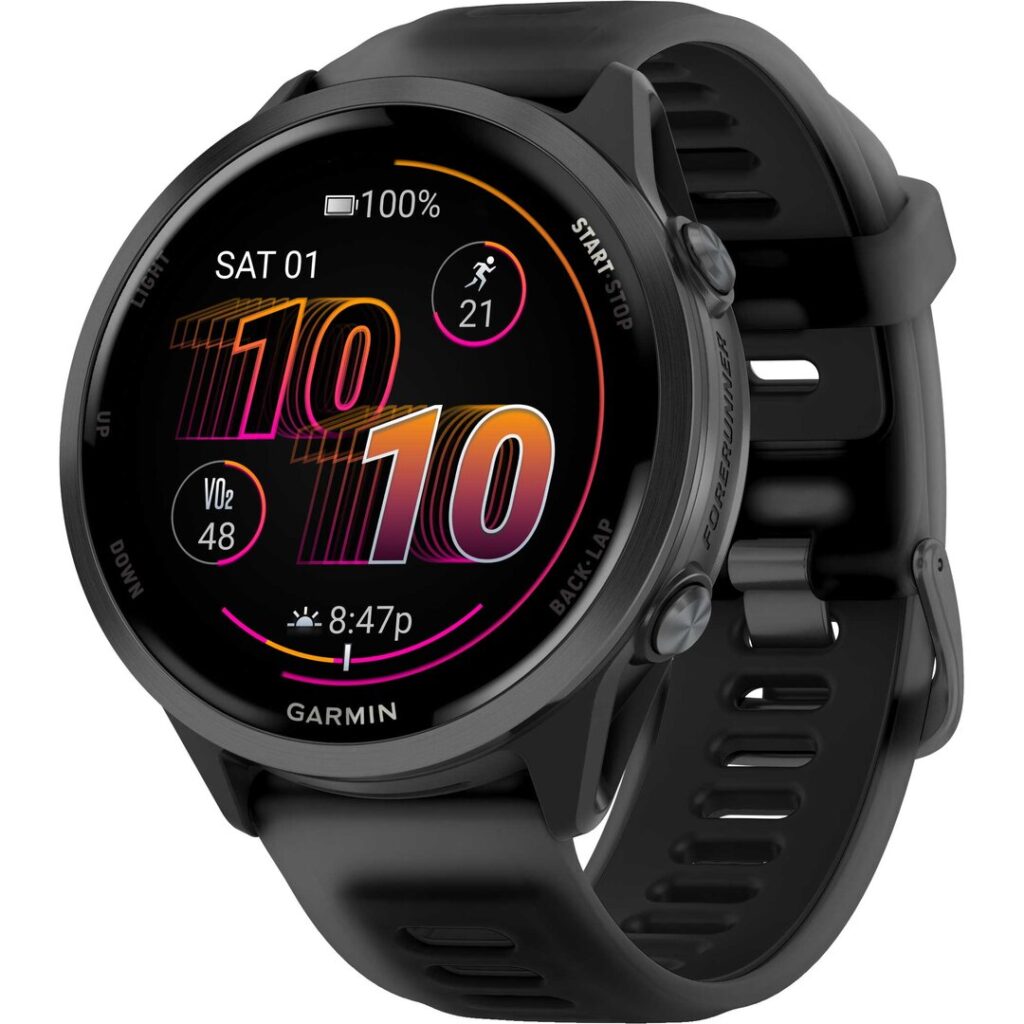
Garmin smartwatches are tacitly considered the gold standard in the biohacking community for battery life and in-depth analytics, outperforming competitors in assessing the body’s resources. They are designed for continuous data collection without the need for daily charging.
Key features for biohackers
- Body battery: a comprehensive indicator of the body’s readiness for physical exertion based on HRV, sleep, and activity.
- In-depth HRV monitoring (HRV status): overnight tracking of heart rate variability to assess the balance of the nervous system.
- Professional sleep analysis: detailed breakdown of sleep stages, sleep quality assessment (sleep Score), and personalized advice from a sleep coach.
- 24/7 stress tracking: continuous monitoring of physical stress levels with breathing techniques to reduce it.
- Pulse oximetry: Measurements of blood oxygen saturation during sleep and high-altitude training.
Pros and cons
- Pros: battery life ranging from one week to one month, advanced Firstbeat algorithms, no distracting features, long-term operation without recharging.
- Cons: less-bright transflective screens (in classic models), a complicated Garmin Connect app interface for many users, and the high price of flagship versions.
Fitbit
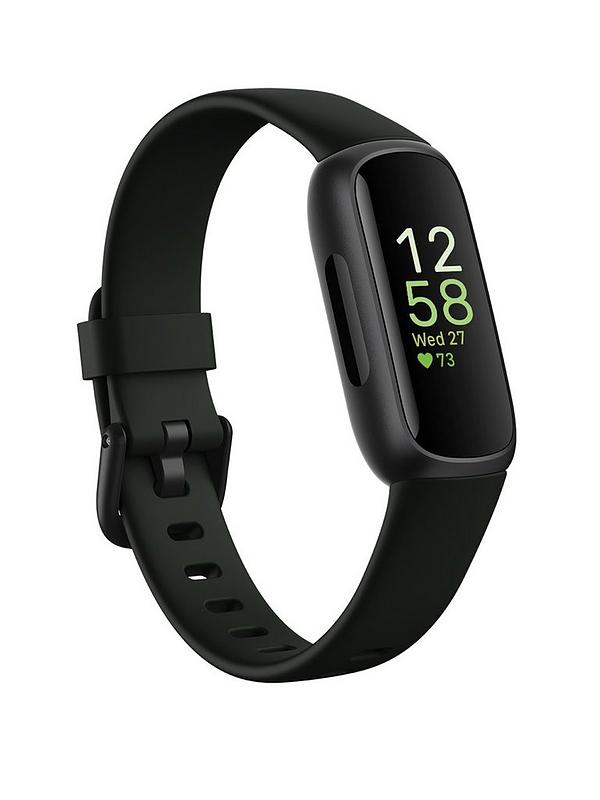
Fitbit fitness trackers for biohackers are also a lightweight and affordable tool for long-term tracking, offering some of the best sleep analytics on the market. The devices are designed for passive data collection and identifying hidden health trends.
Key features for biohackers
- Daily readiness score: analyzes fatigue, HRV, and sleep to determine the optimal activity level for the day.
- Advanced sleep tracking device: breakthrough analysis of sleep stages, calculation of “deep sleep” (sleep profiles), and snoring detection.
- EDA (electrodermal activity) sensor: measures micro-sweat secretions on the skin to accurately track stress levels.
- Health metrics: a summary dashboard showing respiratory rate, heart rate variability (HRV), and skin temperature.
- Cardio fitness level: an assessment of maximum oxygen consumption (VO2 Max) relative to age.
Pros and Cons
- Pros: compact size (comfortable to sleep in), battery life of up to 6-7 days, and an advanced ecosystem and community for improving sleep.
- Cons: some key biohacking metrics are locked behind a paid Fitbit Premium subscription; limited integration with ecosystems other than Google; modest smartwatch functionality.
Ultrahuman Ring
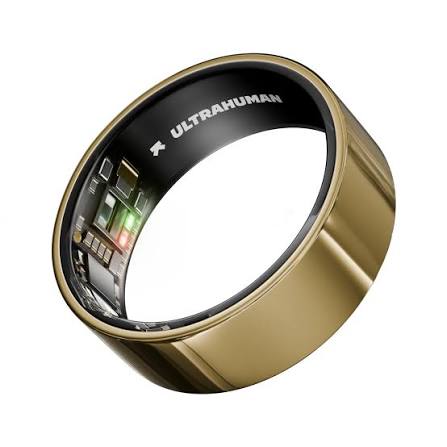
The Ultrahuman Ring AIR smart ring for biohackers is the perfect tool for anyone who wants to track hidden biomarkers 24/7 without wearing a bulky watch. The ring’s form factor makes it virtually unnoticeable on the hand, while providing in-depth analysis of recovery, sleep, and metabolism.
Key features for biohackers
- Recovery score: a comprehensive indicator of the body’s readiness, calculated based on heart rate variability (HRV), skin temperature, and sleep quality.
- Movement index: an assessment of metabolic activity throughout the day. The ring encourages movement to optimize glucose levels.
- Continuous temperature monitoring: round-the-clock tracking of even the slightest fluctuations in body temperature for early detection of inflammation or phases of the menstrual cycle.
- Integration with Ultrahuman M1 (CGM): has a unique feature — synchronization of the ring’s data with a continuous glucose monitor. This allows you to see how sleep and stress directly affect your blood sugar levels.
- Circadian recommendations (circadian alignment): tips for optimizing your daylight exposure (when to get sunlight and when to avoid the blue light spectrum) to fine-tune your ideal circadian rhythm.
Pros and cons
- Pros: no paid subscriptions whatsoever (all metrics are available immediately), maximum comfort during sleep, durable titanium case, deep integration with CGM glucose sensors.
- Cons: no display (all data is available only in the app), not suitable for weightlifting (the metal scratches against the barbell bar), heart rate during intense workouts is measured less accurately than on a watch.
Polar
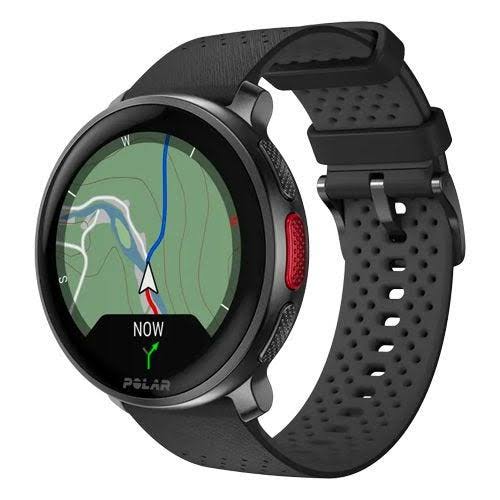
Polar sports watches and chest straps for biohackers are the gold standard in heart rate accuracy and assessment of the autonomic nervous system. For many years, the brand has been developing medical and sports algorithms, emphasizing a scientific approach to recovery and minimizing the risks of overtraining.
Key features for biohackers
- Orthostatic test: a great assessment of cardiovascular system readiness. It instantly identifies hidden sleep deprivation, stress, or the onset of illness based on the difference in heart rate between lying down and standing.
- Nightly recharge: an advanced assessment of nighttime recovery. It analyzes how well the autonomic nervous system (ANS) has calmed down during the first hours of sleep (based on HRV, heart rate, and respiratory rate).
- FitSpark: workout recommendations based on your current recovery status. The watch will prevent you from overtraining if your ANS metrics are at zero.
- Energy sources: calculation of macronutrient consumption. Shows how many carbohydrates, proteins, and fats your body burned during activity.
- Leg recovery test: a quick jump test to assess muscle fatigue without complicated equipment.
Pros and cons
- Pros: medical-grade sensor accuracy (especially the H10 chest strap), a strong focus on balancing stress and recovery, and no unnecessary “marketing hype.”
- Cons: the design and screens are inferior to modern smartwatches; the Polar Flow ecosystem takes time to get used to; the sleep features are inferior to Fitbit in terms of phase tracking.
ScanWatch
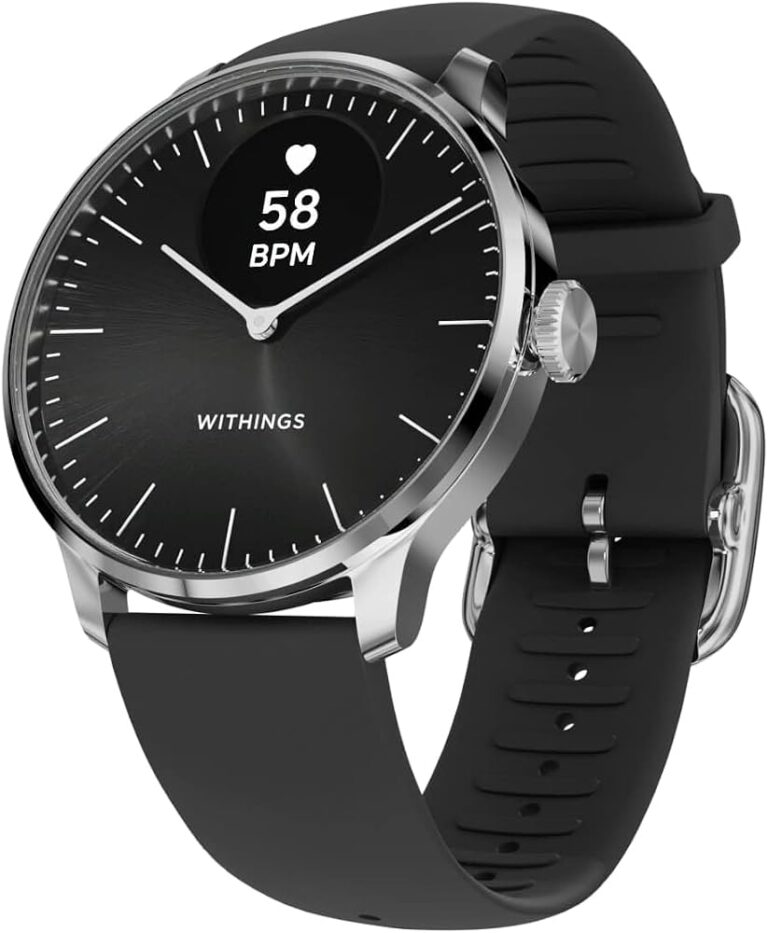
The Withings ScanWatch hybrid smartwatch for biohackers is clinically certified and designed for preventive monitoring of cardiovascular and respiratory health.
Key features for biohackers
- Clinical ECG (electrocardiogram): instant detection of atrial fibrillation and heart rhythm abnormalities, with the option to download a PDF report for your doctor.
- Sleep apnea detection: the Respiratory Scan feature detects breathing disturbances during sleep, alerting you to hypoxia and the risk of respiratory arrest.
- 24/7 pulse oximeter (SpO2): medical-grade measurement of blood oxygen saturation (using a reflective photoplethysmographic sensor).
- Skin temperature tracking: continuous monitoring of basal body temperature (in the ScanWatch 2) to detect early signs of infection, inflammation, or hormonal fluctuations.
- Cardio-endurance index: estimation of VO2 Max based on heart and activity data to monitor the biological age of blood vessels.
Pros and cons
- Pros: medical certification (FDA and CE), battery life of up to 30 days on a single charge, premium design of a classic Swiss watch with sapphire crystal.
- Cons: tiny OLED screen for notifications, lack of detailed real-time autonomic nervous system (ANS) analytics, limited fitness and workout features.
|
Device |
Best For |
Key Metrics |
Battery Life |
|
Oura Ring |
Sleep optimization, recovery, overall wellness |
Sleep stages, HRV, resting heart rate, body temperature, readiness score, activity |
Up to 8 days |
|
WHOOP |
Recovery, athletic performance, strain management |
HRV, recovery score, strain, sleep, respiratory rate, skin temperature |
Up to 14 days (with continuous charging pack) |
|
Apple Watch |
Everyday health, fitness, smartwatch features |
Heart rate, ECG, blood oxygen, sleep, activity, temperature (selected models), VO₂ max |
About 18-36 hours (model-dependent) |
|
Garmin |
Endurance athletes, training optimization |
HRV, Body Battery, sleep, VO₂ max, training readiness, GPS, stress |
7–31 days (depending on model) |
|
Fitbit |
General fitness and wellness |
Heart rate, sleep score, stress management, SpO₂, activity, readiness (Premium) |
Up to 7 days |
|
Ultrahuman Ring |
Metabolic health, sleep, recovery |
HRV, sleep, resting heart rate, skin temperature, movement, recovery insights |
Up to 6 days |
|
Polar |
Heart rate monitoring and endurance sports |
Heart rate, HRV, sleep, training load, recovery, VO₂ max |
5–12 days (model-dependent) |
|
Withings ScanWatch |
Preventive health monitoring |
ECG, blood oxygen, heart rate, sleep, activity, body temperature trends |
Up to 30 days |
Which wearable is best for different goals?
No wearable is perfect for every user. The best device depends on what you want to measure and improve, whether that’s sleep quality, muscular performance, recovery, or long-term health. Here are the top picks based on specific goals.
Best for sleep tracking
Oura Ring is widely considered one of the most accurate consumer wearables for sleep monitoring. It provides detailed insights into sleep stages, nighttime heart rate, HRV, body temperature trends, and a daily Readiness Score that helps users understand how well they recovered overnight. Its lightweight design also makes it more comfortable to wear while sleeping than most smartwatches.
Best for recovery and HRV
WHOOP is designed specifically for recovery optimization. It continuously measures heart rate variability (HRV), resting heart rate, sleep quality, strain, and recovery, then recommends how intensely you should train each day. It is particularly popular among professional athletes and serious fitness enthusiasts who prioritize performance.
Best for athletes
Garmin offers some of the most advanced training and endurance metrics available. Features such as Training Readiness, VO₂ max, recovery time, HRV status, GPS navigation, and performance analytics make Garmin an excellent choice for runners, cyclists, triathletes, and outdoor athletes.
Best for longevity tracking
For users focused on healthy aging rather than athletic performance, Oura Ring stands out as one of the strongest options. Its emphasis on sleep quality, recovery, heart rate variability, resting heart rate, body temperature trends, and long-term health patterns aligns well with many evidence-based longevity biomarkers. Combined with healthy lifestyle habits, these metrics can help users monitor changes that influence long-term health.
Best budget option
Fitbit remains one of the best value wearables for everyday health tracking. It offers reliable monitoring of heart rate, sleep, daily activity, stress, and blood oxygen levels at a significantly lower price than many premium devices. For beginners interested in biohacking without a major investment, Fitbit provides an accessible entry point into wearable health tracking.
Limitations of Wearable Devices
The main limitations of biohacking gadgets include measurement inaccuracy, high cost, and anxiety risk. These devices provide only approximate data and are not a substitute for professional medical care.
- Data inaccuracy: smart rings, watches, and sleep trackers estimate metrics (such as sleep stages and stress levels) based on indirect indicators rather than precise medical equipment.
- Lack of diagnostic capabilities: consumer devices cannot make diagnoses or replace laboratory blood tests and real doctors.
- Financial considerations: high-quality systems and recurring subscriptions can sometimes be costly.
- Increased anxiety: constantly monitoring metrics often leads to an obsessive fear of getting sick and stress caused by poor readings.
How wearables support longevity
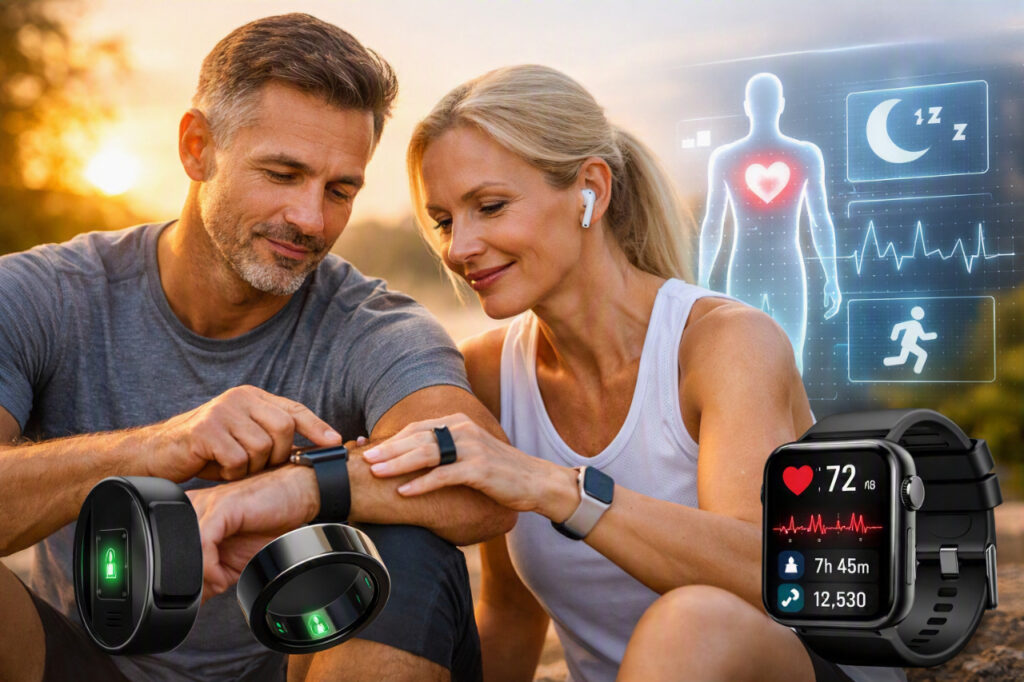
Wearable technology supports longevity by continuously tracking key health metrics such as heart rate, sleep stages, and daily activity, which help detect early signs of physical decline and prevent chronic diseases.
Modern technology is evolving, as are medical and biohacking devices. Many devices have been developed to simplify and improve the effectiveness of treating certain diseases, reduce the aftereffects of illness, support biohacking, or simply improve one’s well-being.
What are their advantages? Not all forms of biohacking or treatment involve injections or taking chemicals orally. The human body is an incredibly complex biological machine, and there are many ways to influence it. Some devices don’t require visits to the doctor or procedures performed under medical supervision at all. You buy a wearable device, read the instructions, and start using it (of course, after checking for any contraindications). It’s convenient, fast, effective, and sometimes very cost-effective. Visits to a treatment room or taking expensive medications can be replaced by a single device and the discipline to consistently follow through with the procedures. By continuously tracking metrics such as heart rate, activity, sleep, and mobility, biohacking wearables provide a long-term view of how the body changes.
Progress offers us various scientific advancements to extend or improve our quality of life, and it makes sense to start using them, especially when our surroundings deprive us of natural light, restful sleep, and energy. Staying in shape, monitoring your health, and preventing illnesses rather than treating them will help you become healthier and more active. It’s great that some devices now come in lighter, more compact versions that can be used at home, without the need for constant trips to the doctor. Of course, this is only a supplement, not a full replacement for therapy, sleep, or sunlight. Also keep in mind that wearables are useful, but sometimes they can also increase “tracking anxiety.” Some of the most useful feedback from wearables is trends over time.
for subscribing!