


How Cold Water Immersion Improves Your Body & Mind
The practice of immersing the body in cold water (15-18°C), also known as cold hydrotherapy, has been around for hundreds of years. The therapy includes ice baths, cooling showers, and outdoor swimming. We explain why you should olerate colds and how to properly perform the procedure without compromising your health.
Highlights
- The immersion boosts blood flow, flushes toxins, and enhances tissue oxygenation.
- CWI triggers hormonal shifts that improve mood, focus, and alertness.
- Even short, regular cold plunges (2–3 minutes) offer long-term benefits.
- Сold immersion is best used post-workout or in the morning, pairs well with breathwork and contrast.

Contents
What is Cold Therapy?
Does going outside without a jacket when the temperature is below freezing give you the creeps? Now imagine a person who has managed to climb Mount Everest to a height of 6.7 km in shorts or has survived almost two hours in an ice bath. You guessed right; the Iceman, Wim Hof, could be behind these feats.
This icy story began in 1976 when Wim was just seventeen years old. He was walking in winter Amsterdam and suddenly felt a strange urge to jump into an icy canal. Listening to his intuition, he removed his clothes and entered the water. At that moment, he felt a strange calmness. It was as if all thoughts had disappeared, and only the present moment remained.
Wim Hof sought solace in ice therapy when he was at his worst and didn’t know how to escape it. He needed it most of all when his wife committed suicide, and he was left alone with four children. As he immersed himself in the icy water, he remembered again the psychological relief he had already experienced at seventeen. He realized that he could no longer save his wife. But he could pass on his know-how, change scientific knowledge, and thus improve the quality of life for millions of people. Wim Hof took this as his message and began to focus on it. He even conducted various scientific experiments demonstrating his method’s numerous benefits and excellent effects, which is popular among biohackers today. Wim Hof is currently the holder of 21 world records, a man who has turned the idea of our body’s capabilities through ice therapy and proper breathing.
Cold therapy is a great way to improve your wellbeing and detox the body. In addition, cold therapy constricts blood vessels and reduces metabolic activity, which reduces swelling and tissue destruction. Professional athletes, such as soccer players, often practice cold therapy and take ice baths after matches and intensive training.
So, they reduce inflammation in the muscles and accelerate the process of their regeneration. For amateurs, such therapy is also helpful. For example, a runner, after a cross-country race, can get into an ice bath to relieve tension in the body and prevent possible muscle damage. If a person does not play sports, he or she can still practice cold water treatments. Ice therapy can be taken after a visit to a bathhouse or sauna. This enhances the favorable effects of heat procedures.
Types of Cold Water Therapy
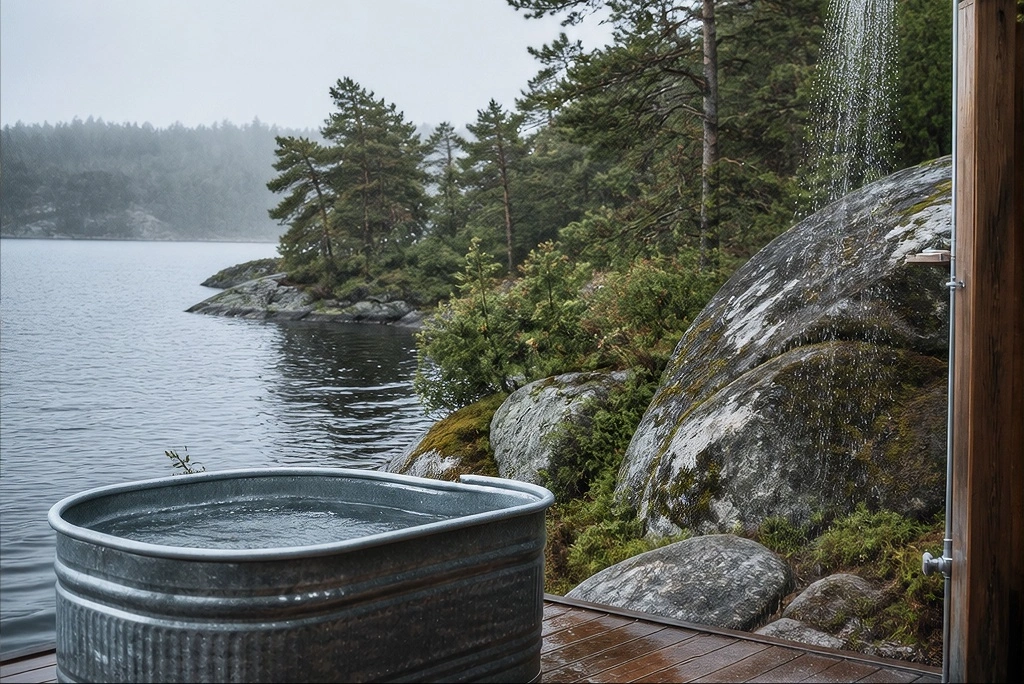
The general idea behind ice therapy is that cooling the body causes it to actively work to maintain internal temperature, increasing blood flow throughout the body. Here are some scientifically researched types of cold therapy.
Ice Baths
Ice baths are an easy way to improve health and relax muscles. The method is simple: you immerse yourself in cold water, often with ice. Due to the low temperature in the body, the vessels narrow, which helps to launch several proper processes at once. The main thing is that the person should not have any health problems.
Cold Showers
Hardening with cold showers activates the sympathetic nervous system, reducing levels of pro-inflammatory cytokines that contribute to chronic inflammation. This anti-inflammatory response is associated with slowed muscle growth.
Open Water Swimming
Open-water swimming is a discipline in outdoor bodies of water such as oceans, lakes, and rivers. With some essential kit and some work on technique, cold swimming can complement your running in all sorts of ways, whether you want to do more cross-training, lose some weight, or think about your first triathlon. Naturally, there are more opportunities for the less hardy to do it in the summer months, but at any time of year, it’s worth researching your nearest OWS center or lake and finding out when they’re accessible. Pool swimming is much calmer and feels safer, without wind or currents to fight against. That makes it a better place to practice before heading out into the big water.




Cold Plunges
Cold water immersion is a popular recovery method that can help relieve muscle fatigue and reduce inflammation. It generally involves ensuring the water temperature is between 10 and 15 degrees Celsius (50-59 degrees Fahrenheit) and limiting the immersion time to no more than 3 minutes. During the dive, remain calm and focus on smooth, deep breathing to relax and reduce anxiety. Stay in the water for 1 to 3 minutes, adjusting the time according to your comfort level.
Contrast Showers
A contrast shower is a hydrotherapy procedure in which hot and cold water alternate. The method has a long history – it was known even to the ancient Romans and Greeks. Contrast showers trigger various processes. The temperature change accelerates the circulatory system and stimulates immunity. It is better not to carry out the procedure less than 2 hours before bedtime because the surge of energy will make it difficult to fall asleep and relax.
Cold Water vs. Cryotherapy
Cryotherapy, which comes from the Greek word “cryo” for cold and “therapy” for cure, is a treatment that uses very sub-zero cold temperatures. Cold therapy has existed for many years, from basic ice packs to advanced cryosurgery procedures. Cryotherapy is based on a significant decrease in temperature to activate the body’s innate defense mechanisms. Cryotherapy and ice baths have differing bodily impacts due to their distinct processes. Cryotherapy involves exposing the body to temperatures as low as -110°C /166°F down to -140°C/-220°F for 2-3 minutes, causing a decrease in body temperature of approximately 40°F / 4°C.In contrast, an ice bath entails longer time durations of 30 seconds to 15 minutes, with temperatures ranging from a 46°F / 8°C and will reduce skin temperatures to around 70°F / 20°C after 3 minutes.
At a temperature of 46°F / 8°C during an ice bath, the body first attempts to warm the blood in the center while keeping the extremities warm. Extended time spent in an ice bath can result in muscle tissue freezing. As the chill seeps into the body, the muscles stiffen and ice over, beginning at the outer layer of skin and moving deeper inside. Prolonged periods in an ice bath could potentially lead to hypothermia, a serious condition that can be fatal.
On the other hand, cryotherapy does not actually freeze tissue; instead, it deceives our cold receptors into sensing a severe cold sensation when the skin briefly touches dry, cold air. In cryotherapy, it is crucial to comprehend that the skin is not truly frozen. Our cold sensors are activated by exposing the skin to cryogenically cooled air to create the feeling of extreme cold instead. This doesn’t actually freeze the muscle tissue; instead, it deceives the nervous system into perceiving a freezing sensation.
Cryotherapy and cold plunges may involve exposure to cold, but they operate at significantly different temperatures. Consequently, they elicit distinct effects on the human body.
Benefits of Cold Water Therapy
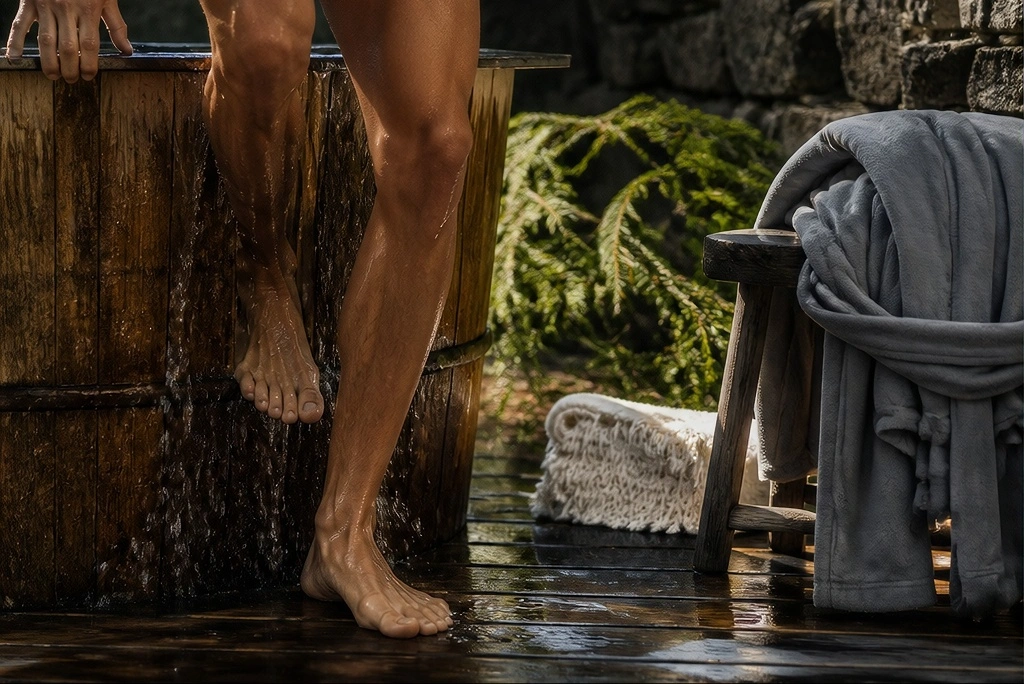
- Strengthens the immune system. Theoretically, cold hydrotherapy can improve the body’s ability to fight disease. Back in 2014, Dutch scientists conducted a study proving that through meditation, breathing exercises, and immersion in cold water, it is possible to improve the body’s immune response. Cold water is also believed to increase a person’s stress resistance.
- It relieves muscle pain. Cold water causes blood vessels to constrict, decreasing blood flow to the sore area of the body. For example, applying ice immediately after an injury can help relieve swelling and inflammation.
- Cools down when the body overheats. Cold water will help lower your body temperature faster than if you come to your senses in a cool room. The key point is that you need to fully immerse your body in the water. This means that a quick face wash may not be enough; a refreshing shower will be more effective.
- Boosts metabolism. Cold water increases energy expenditure and speeds up metabolism even more, as the body needs to spend energy to adapt and warm it to body temperature.
- Helps in fat loss.
Biohacking with Cold Therapy
Cold therapy has become a popular biohacking tool for enhancing physical performance, boosting mental resilience, and improving overall well-being. Exposing the body to cold triggers robust physiological responses that support recovery, immune function, and mood regulation.
Cold Water Therapy with Saunas
Alternating between cold water immersion and sauna heat is a time-tested method for optimizing circulation, detoxifying the body, and reducing inflammation. This hot-cold contrast stimulates the lymphatic system, strengthens blood vessels, and promotes faster muscle recovery. Benefits:
- Enhances cardiovascular health
- Speeds up post-exercise recovery
- Boosts endorphin levels and mood
- Supports immune resilience
Biohacker tip: Start with 10–15 minutes in the sauna, followed by 30 seconds to 2 minutes in cold water. Repeat the cycle 2–3 times for best results.
Cold Therapy with Breathwork (The Wim Hof Method)
The Wim Hof Method combines conscious breathing, gradual cold exposure, and mental focus. Developed by “The Iceman” Wim Hof, it trains the body to adapt to extreme conditions and helps optimize physical and mental performance. How does it work?
- Breathing (3–4 rounds):
- Take 30–40 deep breaths: inhale fully through the nose or mouth, then exhale passively (don’t force it out).
- After the last exhale, hold your breath (retention) for as long as comfortable.
- When you feel the urge to breathe, take a deep recovery breath and hold for 10–15 seconds.
- Repeat for 3–4 rounds.
- Cold Exposure:
- After breathing, take a cold shower or ice bath. Start with 30 seconds and increase gradually.
- Focus on calm breathing during the cold to activate control over your stress response.
- Mindset & Commitment:
- Stay consistent and present. The method teaches you to stay calm under pressure and overcome mental limits.
Benefits:
- Regulates stress and boosts resilience
- Improves oxygen efficiency and circulation
- Strengthens the immune response
- Enhances mood and mental clarity
- Trains your nervous system for adaptability
Cold Water Therapy Risks & Contraindications
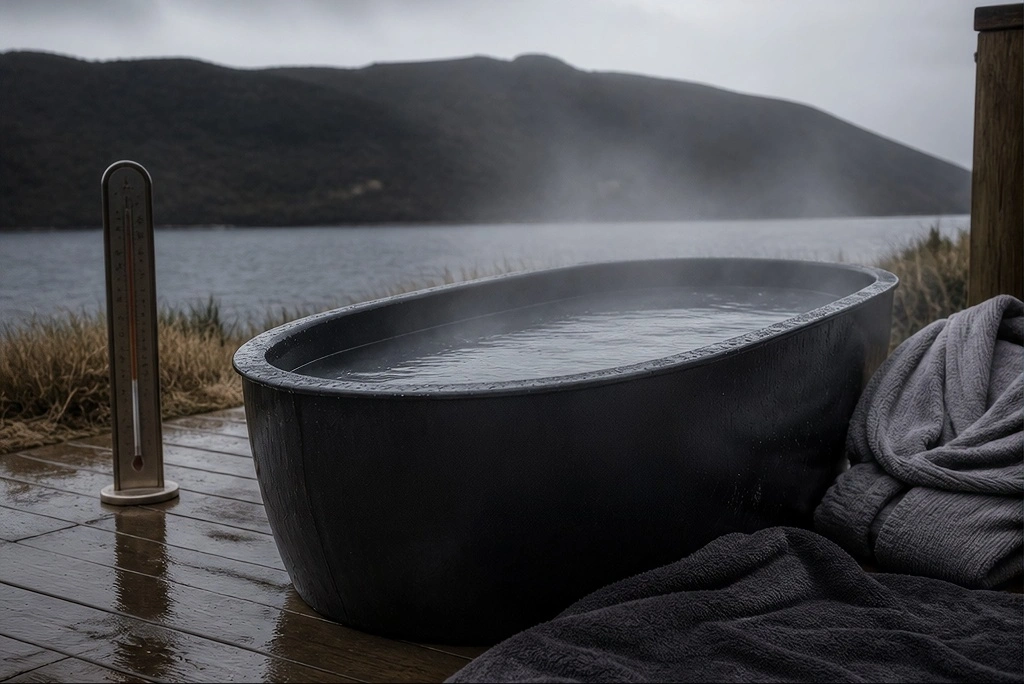
Before procedures, it is not superfluous to consult a doctor. Immersion in cold water generally affects blood pressure, heart rate, and blood circulation and can cause severe strain on the heart. To prevent the risk of hypothermia, warm up immediately. Avoid taking hot showers after ice baths, even if you really want to – the sudden change in blood flow can cause unconsciousness. Remember, the rule “the longer, the better” does not work in cold hydrotherapy.
Step-by-Step Guide to Safe Cold Plunging
To the untrained person, cold water activities may seem like a dubious pleasure. But if you decide to check out the benefits of this therapy, here are some suggestions and algorithms for beginner biohackers.
For beginners, we suggest warm showers transitioning to cold showers.
You can start with hot water and then gradually lower the temperature for 5-7 minutes. It’s important to let your body get used to it. If you have just finished training, try to do it without “foreplay” and get right down to business.
More hardened can take an ice bath. Add some ice to a warm bath and wait until the temperature drops to 10-15°C. Do not stay underwater for more than 10-12 minutes.
To sum up
From ancient baths to modern ice plunges, cold water therapy makes waves in the biohacking world. Learn how immersing your body in chilly water (15–18°C) can strengthen immunity, speed up recovery, boost metabolism, and sharpen mental clarity. Discover the science-backed benefits of ice baths, cold showers, and the Wim Hof Method – plus practical tips for safe, effective cold exposure. Whether you’re an athlete, a biohacker, a wellness seeker, or just cold-curious, this method will help you unlock the power of temperature for better health. Enjoy!
for subscribing!