


Top Peptides for Hair Growth
Hair loss is a widespread problem. Everyone can bump into it, and age or gender doesn’t really matter. Alopecia is common due to severe stress and body factors, and unfortunately, there is no universal solution. Trichologists are starting to use peptides as a tool against baldness. Researchers show their efficiency in hair straightening. They stimulate dormant follicles and hair growth. A study involving 32 people with androgenetic alopecia compared a combination of several peptides — red clover extract, acetyl tetrapeptide-3, and ginseng — with a 3% minoxidil solution. The results after 6 months showed the hair growth on both groups: 8.3% in the peptide combination group and 8.7% in the minoxidil group. In addition, the group that did not use any peptides gained no changes.
Our experts have researched this topic and compiled the most essential information about peptides, explaining it in simple terms. In this article, you’ll find out more about peptides. We discover which types of them are best for your hair and which products are worth incorporating into your hair care routine. We’ll also discuss the safety of incorporating peptides.
Highlights
- Peptides boost hair growth by strengthening hair follicles.
- GHK-Cu and Biotinoyl Tripeptide-1 are top choices for thicker hair.
- Topical serums are safe and effective with regular use.
- Injectable peptides act faster but require medical care.

Contents
What is Peptide for Hair
Let’s start with what peptides are. They are short chains of amino acids that also serve as the building blocks of skin cells. The components have been widely used in anti-ageing cosmetics for a long time. Creams and serums with them help fight wrinkles, smooth skin, and add a healthy glow. But how does this relate to hair? Peptides play a role in the formation of hair follicles. Also, they help make it stronger and shinier, and reduce scalp inflammation.
You can transport peptides in a few different ways:
- Topical: serums, ampoules, shampoos, and masks.
- Oral: collagen or biotin supplements.
- Injectables: are used in cosmetology, but require medical supervision.




Here are the most popular peptides for hair growth: GHK-Cu, Biotinoyl Tripeptide-1, Acetyl Tetrapeptide-3, Collagen Peptide, Oligopeptide-2, Keratin Peptide, Myristoyl Pentapeptide-17, TB-500, BPC-157, and APN5.
While peptides may be beneficial, it’s important to remember that not all of them have been adequately studied. Some, for example, are labelled “not for human consumption” due to their experimental nature. If you have any doubts about any product, be sure to consult a specialist before taking it.
Best Peptides for Hair
Every day, scientists discover new amino acid chains, making this market quite broad. That’s why we marked the most popular and useful peptides for hair and scalp. Each of them could help you address hair loss. Let’s have a closer look at the peptide list.
GHK-Cu (Copper Peptide)
A copper tripeptide helps activate genes responsible for hair growth and supports hair follicle growth. GHK-Cu improves scalp circulation, hair follicle health, and restores damaged ones. It’s often found in serums and ampoules. This peptide’s effectiveness has been confirmed by research using advanced delivery systems. After two months of use, hair growth accelerates by 10-15%.
Collagen Peptide
Collagen plays a major role in joint health and hair growth. It makes our skin smooth, and when we lack it, you can notice how brittle our hair becomes. Collagen peptides help prevent it. You can often notice collagen peptides as a component in shampoos. They are also available in tablet form.
Biotinoyl Tripeptide-1
This is the most studied formula. Which is why you’ll find it more often in hair product formulations. Biotinoyl Tripeptide-1 stimulates hair growth by activating dermal papilla cells and improving follicle attachment to the skin. So if you use this one regularly, hair straightening becomes noticeable.
Acetyl Tetrapeptide-3
The unique feature of this one is its ability to increase hair density by strengthening the protein structures around the root. So basically, the skin cells on your head are getting more nutrition. Hair becomes less brittle and also falls out less, as the follicle is better anchored to the dermis.
Myristoyl Pentapeptide-17
This peptide is particularly beneficial during the initial stages of hair growth. It prolongs hair life and improves its density. The ability to stimulate keratin production makes this peptide particularly helpful for alopecia. Keratin plays a vital role in the strength of hair. This effect was initially noted in eyelash growth serums and later applied to the scalp.
Oligopeptide-2
Strong hair requires not only stimulated growth but also a healthy scalp. This factor ensures your follicles are properly nourished. Otherwise, hair thins and, as a result, breaks. This peptide improves follicle nutrition, making it especially suitable for colour-treated hair. This ingredient is often found in professional hair care products.

Keratin Peptide
While previous products focused more on growth and hair follicle activation, this peptide is more focused on preserving what’s already there. Keratin peptides prevent hair breakage from the roots down to the ends. Also, these peptides for hair reduce excess frizz. If you colour your hair or use a hair dryer frequently, this option is for you.
BPC-157
This synthetic peptide is available in capsule form for oral use. This type of peptide increases red blood cell production and oxygenates the blood. It also promises to combat inflammation. BPC-157’s potential extends beyond hair growth. As the researchers noted, it might improve muscle and joint health. However, this peptide has not yet been sufficiently studied for safe use, as it has been tested only in animals.
TB-500 (Thymosin β4 peptide)
Another synthetic peptide from the experimental group. It is based on a 44-amino-acid version that exists in the human body. TB-500 is designed for tissue healing, and there is also some evidence that it stimulates hair growth. It is intended to accelerate ligament healing, improve endurance, and promote hair follicle regeneration. You can also meet this one in tablet format. However, such peptides are not approved for cosmetic use, so they are sold with the label “not for human consumption”.
APN5 Peptide (P5/GLYYF)
A new word in the study of amino acid chains. According to the research results, they improve the scalp’s vascular network and also enhance hair growth during the anagen phase. These peptides are undergoing clinical trials and are available in some Korean laboratory serums.
Best Hair Care Products with Peptides
The popularity of peptides as a component in hair cosmetics continues to grow, and there is a wide range of products you can try. We monitored it and made a rating. It is based on an analysis of user reviews, ingredients, and independent lab data. The peptide hair products shown below deliver consistent results. But remember to use them regularly, as peptides are components that require long-term, routine use.
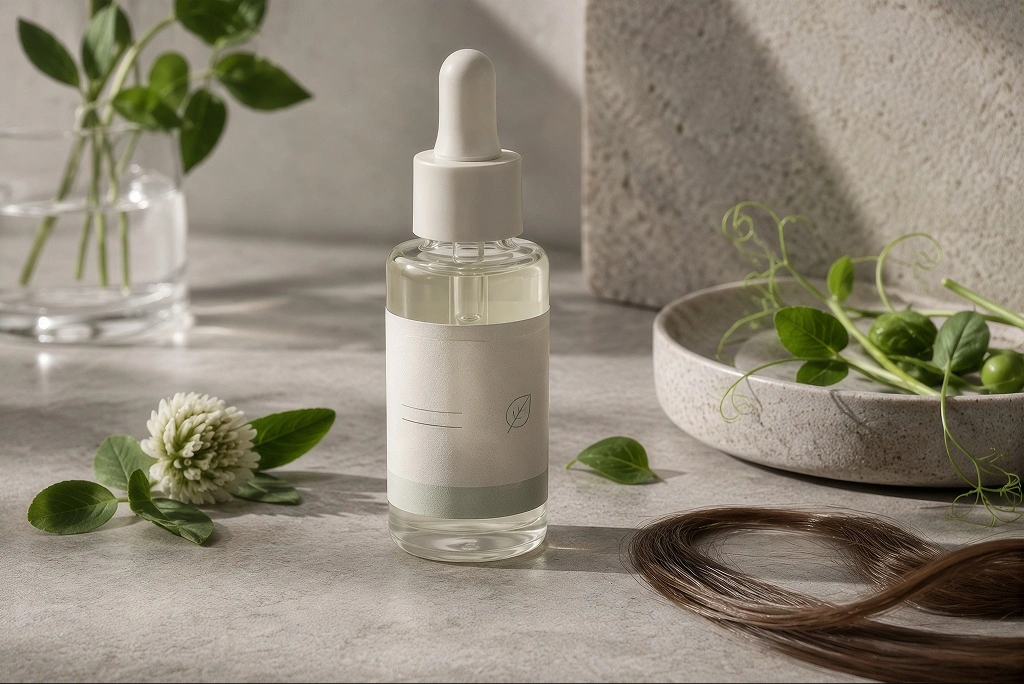
- The Ordinary Multi-Peptide Serum for Hair Density. Contains GHK-Cu, Acetyl Tetrapeptide-3, Biotinoyl Tripeptide-1. Strengthens hair, improves thickness, and reduces hair loss. The peptide hair serum costs $22.
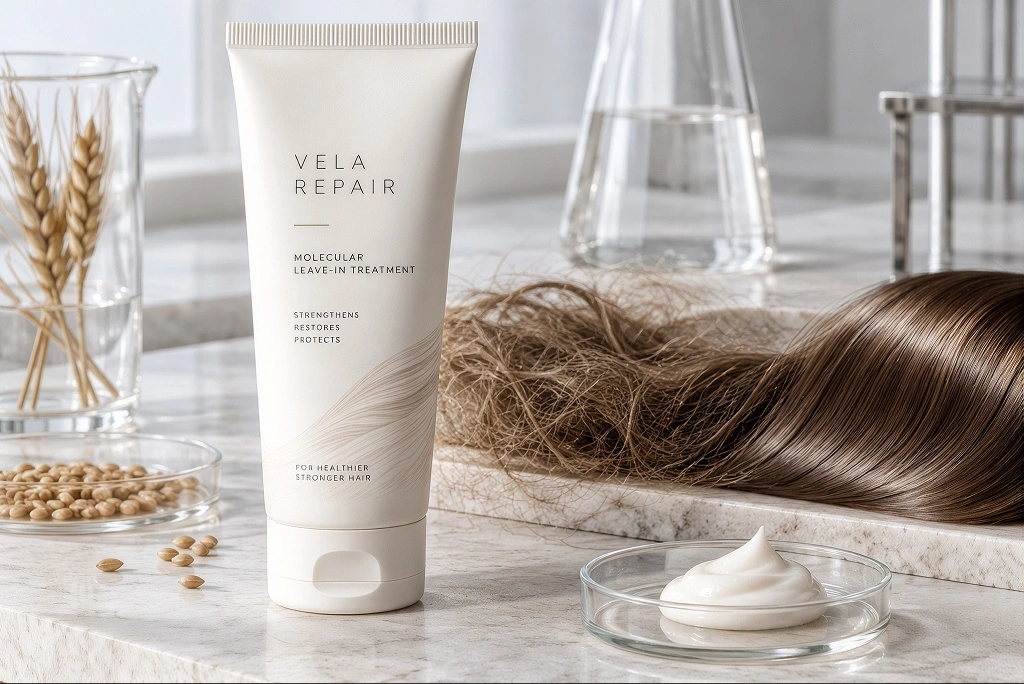
- K18 Leave-In Molecular Repair Mask. Uses a patented peptide K18Peptide, which restores disulfide bonds inside the hair. Suitable for damaged and colored hair. The price is $75-80.
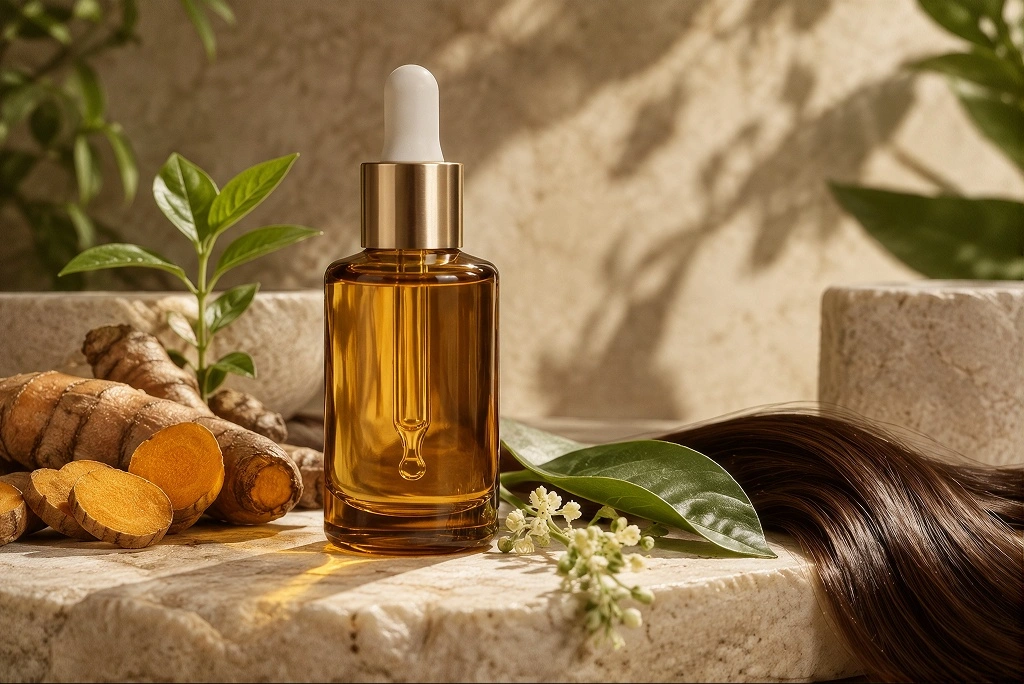
- Vegamour GRO Hair Serum. Composition: Red Clover Extract + Acetyl Tetrapeptide-3. Clinically proven: after 4 months, hair density increases up to 52 %. The price is $58.
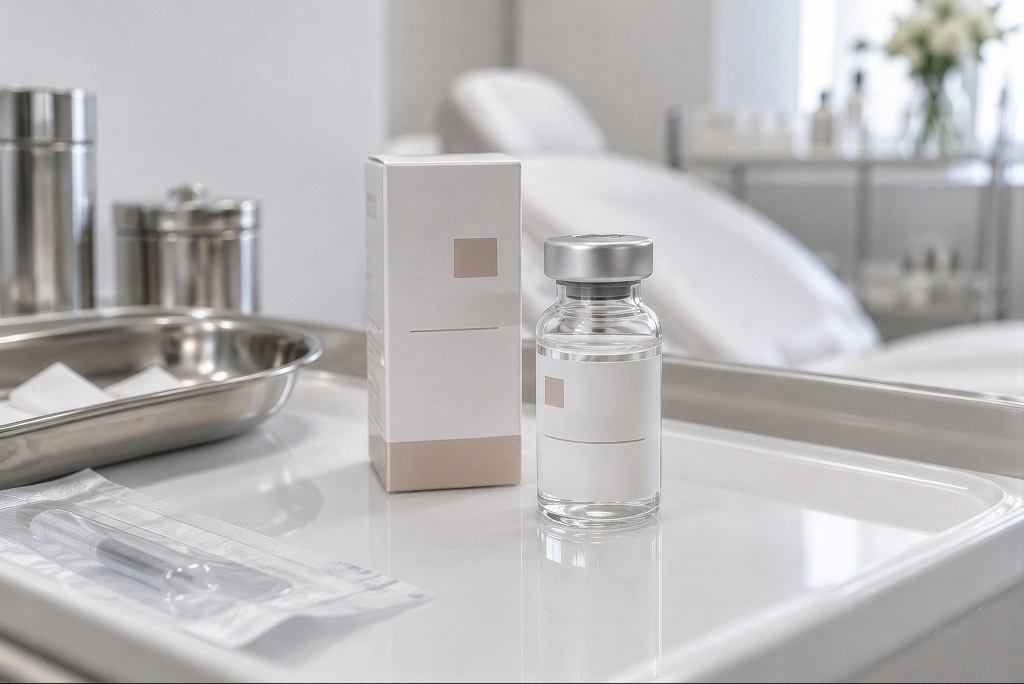
- Dr CYJ Hair Filler (Injectable). Professional filler with 7 peptides, including Decapeptide-18 and Octapeptide-2. Used in cosmetology to stimulate follicles. The average price of the procedure is $200-$300 per session.
- Olaplex No.9 Bond Protective Nourishing Serum. It contains protein and peptide complexes, protects hair from heat and UV damage. Suitable for daily use. The price is about $29.
Topical vs Injectable Peptides
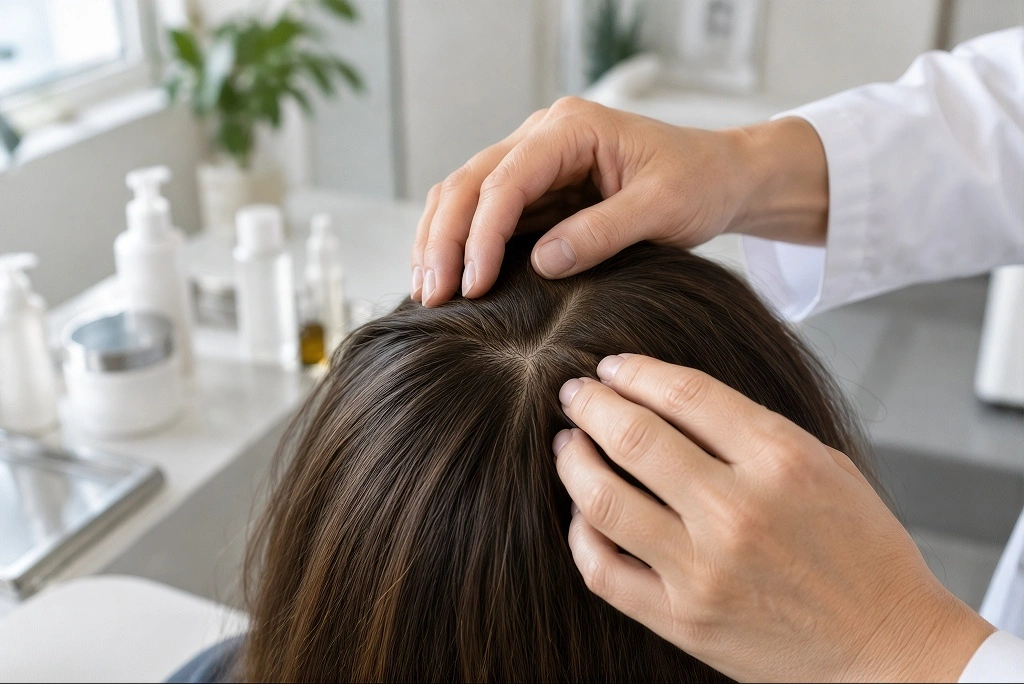
There are several methods for applying peptides: topical and injectable. Each has its own advantages and limitations. Topical peptides are applied to the scalp and act on its surface. They can improve microcirculation. Your epithelium becomes more receptive to the absorption of beneficial substances, stimulating growth processes. One of the main advantages of topical peptides is their safety. They don’t penetrate the deeper layers of the dermis, so the results are easier to control.
Discussing invasive methods, such as injections, fillers, or mesotherapy, we should acknowledge that the procedure is less secure. The advantage of this method is the allowance to manipulate follicles more deeply. As the peptides penetrate further, they show the results faster. You might notice hair regrowth sooner than with topical treatments. In some cases, this option is the only effective one.
If you are sure it will be invasive, remember that it requires greater medical supervision. They must be performed under strict aseptic conditions to avoid inflammation and necrosis, and you should be very strict with the dosage.
Still, as research shows, the long-term difference between topical and injection peptides is minor. Both options produce results, and the only difference is the speed. So, with consistent use of topical peptides, you can achieve the same results with a lower risk to your health.
Is Peptide for Hair Safe?
Disclaimer: The article is purely informational and does not give medical advice! Most cosmetic peptides used in serums and masks, such as GHK-Cu, Acetyl Tetrapeptide-3, and Biotinoyl Tripeptide-1, are considered safe when used topically as directed. They rarely irritate, especially if the product is pre-tested for allergies. As peptides are pretty safe, it is still forbidden to use them for people who have diabetes, psoriasis, or who were diagnosed with malignant tumours.
Experimental peptides such as TB-500, BPC-157, and APN5 remain outside the medical field. They are sold as research compounds and have not undergone sufficient human testing. Their use outside of medical supervision is potentially dangerous. Remember to do a patch test before using any new peptide product for the first time. If you feel redness, itching, or burning – don’t include them. And don’t forget to consult a dermatologist. Especially if you have any skin conditions, such as papillomas, psoriasis, or allergies.
Summary
As you can see, there are plenty of peptide options for hair growth. With the right approach, products containing this component can become your weapon in the fight against boldness. Some options are better researched, while others are more experimental and worth monitoring and further research. In this article, we learned about the most popular types of peptides and the various ways they can be used. A few advice to make your hair routine more useful:
- You can use topical peptides to achieve results, but it may take a bit longer. If you’re looking for a faster option and want to try injectable options, ensure yourself with an expert opinion from your doctor.
- Make sure the injection procedure is performed by a specialist.
- Avoid using products with experimental formulas, as the results can be unexpected.
- Do procedures regularly. As peptide-containing products work cumulatively. You will see results after a few months, so it’s mandatory to be persistent.
- Be sure to consult a doctor before starting any peptide regimen. It’s essential to be sure the component will benefit you.
Good luck and try your best with the peptides!
for subscribing!