


Top-Rated Biohacking Supplements, Vitamins and Minerals
A diet rich in nutrients, especially those high in healthy fats, significantly improves cognitive function and supports emotional balance. Supplements are vital for biohacking, as they allow for precise control and optimization of nutrient intake. Vitamins can improve physical performance, cognitive function, and overall well-being by providing high concentrations of essential nutrients. Let’s take a closer look at which supplements and vitamins are necessary for biohackers and why.
Highlights
- Biohacking uses supplements to prevent deficiencies in vitamins, minerals, and amino acids.
- Blood tests help identify which vitamins are truly needed.
- Athletes and active biohackers need higher doses of key nutrients.
- Nootropics enhance memory, focus, and stress resilience.
- Adaptogens like ashwagandha aid recovery and physical performance.

Contents
What are biohacking supplements?
Vitamins are essential supplements for our body that participate in many biochemical reactions. Biohacking is closely related to preventive medicine. It is important not to get sick to maintain health, youth, activity, beauty, etc. Vitamins contribute to achieving this goal. Preventive intake of multivitamin complexes does not make sense. There is no evidence that it brings any health benefits.
Vitamin deficiency should be eliminated in a targeted manner. First, a diagnosis is made, and then compensation is provided.
In biohacking, tests are widely used to assess health status. Diagnosis in preventive medicine differs from classical medicine in that clinically healthy people who do not have any diseases are examined. The same principle applies to biohacking. After conducting blood tests for vitamins, it becomes clear which ones a person lacks. Then, supplements can be taken to eliminate the deficiency, but not all vitamins, only those for which hypovitaminosis has been identified.
People who engage in sports have an increased need for vitamins, exceeding the average daily requirement of a person who does not engage in sports. Therefore, biohackers who never leave the gym and rarely get off the treadmill need vitamins. Their additional intake allows them to maintain high training efficiency and prevent hypovitaminosis.
Dieting also causes nutrient deficiency. Since it is beneficial to health, many biohackers stick to it for a long time. The most common deficiencies in such a diet are iron and vitamin B12, which lead to anemia. Therefore, biohackers need to regularly take these substances as dietary supplements.
Supplements for Cognitive and Nervous System Support
Nootropics
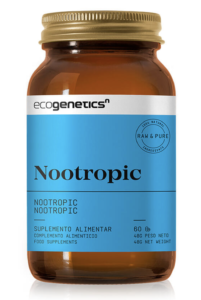
Biohackers enhance their brain game with nootropics, substances that encourage mental stamina, support cognitive performance, and help sharpen memory and focus. If that sounds a bit like your morning coffee, you’re not mistaken; caffeine is a nootropic. But you can (and should) seek caffeine-free nootropic supplements as well. As much as a cup of joe can kick your noggin into gear, there can be a mental crash that ultimately counteracts your biohacking efforts. Instead, many biohackers choose botanical products. Research also suggests lutein and zeaxanthin may confer nootropic benefits like improving memory, reasoning skills, and cognitive flexibility. You can biohack your mental function and help your brain think faster, learn better, and stay focused with a high-quality product combining all three nutrients.
Melatonin
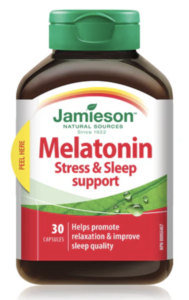
Melatonin is a hormone that regulates sleep and is produced almost exclusively by the pineal gland, a structure located deep within the brain. Melatonin levels in the blood change over 24 hours: they are low during the day and begin to rise about 1-3 hours before the usual bedtime, remain high throughout sleep, and decrease about an hour before waking up. Because it performs many functions, it is used both to normalize sleep and to treat other ailments, such as insomnia.
Ashwagandha
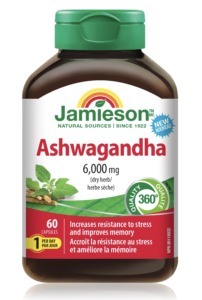
Ashwagandha root powder has been proven by research to:
- increasing swimming endurance in pool users for fitness and health;
- build muscle mass + 2-fold decrease in % fat and increase in strength in powerlifters, bodybuilders and weightlifters;
- weight loss in women;
- increased cardiorespiratory endurance and maximal aerobic capacity VO2 max (oxygen consumption at peak exercise);
- intensify and improve training performance;
- to approach competitions in optimal shape and recover as quickly as possible.




In the experience of sports doctors, ashwagandha speeds up the recovery process of severe ligament or tendon sprains. Several studies have proven why this happens. Indian ginseng reduces inflammatory markers, especially C-reactive protein. It is a great biohacking supplement for weight loss.
Lion’s Mane Mushrooms
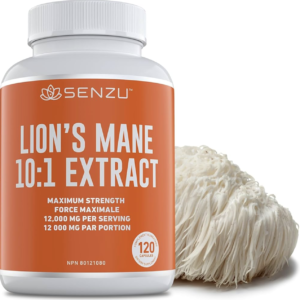
Haya Labs Lion’s Mane is a dietary supplement that contains 500 mg of extract per capsule. The formula has been shown to stimulate the immune system, increase nitric oxide synthesis, suppress inflammatory reactions, and exhibit nootropic effects. It reduces signs of fatigue and exhaustion, making it ideal for long and intense workouts. The antioxidant properties of mushrooms play an essential role in preventing or treating cancer. Studies show that extracts fight cancer cells in the liver, colon, and stomach.
Lithium
Lithium helps support healthy thought processes and memory by inhibiting natural age-related changes in the brain and may even help protect brain function in healthy people. Here’s how: a healthy brain naturally creates certain types of proteins. These proteins can ultimately affect thought processes and memory, so your brain has natural built-in processes to remove them. However, aging requires this cleaning process to improve more effectively over time. When this happens, these proteins can start to build up. Lithium is an essential trace element in many foods, including grains and vegetables. Preclinical studies show that lithium helps support the breakdown of these accumulated brain proteins and aids in clearing the brain of cellular debris.
Supplements for Energy and Mitochondrial Health
Coenzyme Q10 (CoQ10)
Coenzyme Q10 performs several vital functions in the body. It plays a key role in cellular respiration by participating in the transfer of electrons in the mitochondria, a process known as the respiratory chain, which leads to the formation of ATP. In addition, coenzyme Q10 is a powerful antioxidant. It protects cells from free radicals and unstable molecules that can damage cellular structures and cause oxidative stress. Thus, coenzyme Q10 contributes to the maintenance of healthy cells and organs. Coenzyme Q10 is also essential for energy production in cells and has anti-inflammatory properties. It helps strengthen the immune system and protect the body from various diseases. Moreover, coenzyme Q10 has positive effects on the cardiovascular system.
NAD+ boosting supplements
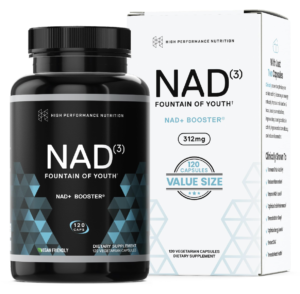
NAD+ is an essential coenzyme in every cell in our body. It is crucial in various biological processes, including energy metabolism, DNA repair, and cell signaling. Its role ranges from converting nutrients into energy to repairing damaged DNA, making NAD+ essential for maintaining healthy cells.
Pyrroloquinoline quinone (PQQ)
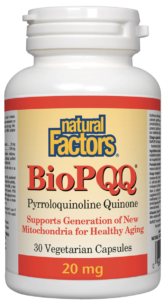
The main benefit of PQQ is its ability to support the production and efficient functioning of mitochondria, which play a key role in converting nutrients into energy that cells can utilize. Research also supports that PQQ may benefit cardiovascular support and cognitive health.
Vitamins and Micronutrients
Vitamin C
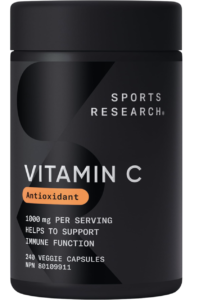
Vitamin C’s properties are diverse. The most significant of them is its participation in the synthesis of proteins. Vitamin C favorably affects the function of the central nervous system. Ascorbic acid supports the body’s resistance to infectious diseases. It weakens the effects of various allergens, stimulates the activity of endocrine glands, improves the elasticity of blood vessels, and accelerates wound healing.
Vitamins D group
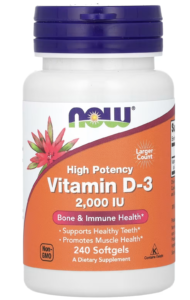
Vitamin D is formed in the human body under the influence of ultraviolet light: it can be synthesized during sunbathing or when exposed to a quartz lamp. Inhabitants of middle latitudes need 1-2 sunny weeks to meet their body’s annual requirement of vitamin D. It is essential for normal heart function. It regulates the metabolism of calcium and phosphorus in the body.
B vitamins
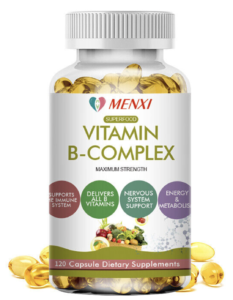
B vitamins are critical for the brain. They improve memory, provide energy, improve attention, and speed up thinking. These vitamins are antioxidants, protect the brain from overwork and early aging, and contribute to the oxygen enrichment of brain cells.
The absence or deficiency of these vitamins hinders the synthesis of amino acids, neurotransmitters that transmit nerve impulses between neurons, which impairs memory function. People deficient in B vitamins have impaired learning ability and fatigue more quickly. They are unable to focus on one thing at a time.
Vitamins B-3 (niacin), B-9 (folate), and B-12 are critical for humans. They are responsible for focus and speed of thinking. It is important to eat such a biohacking supplement in your daily routine.
Zinc
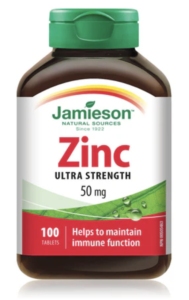
Zinc is an essential trace element in overall human health and cognitive function. It is crucial for the catalytic activity of about 100 enzymes. It is also involved in immune response, protein synthesis, wound healing, DNA synthesis, cell division, bone, testosterone, and cognitive function.
Antioxidants and Anti-Aging Agents
Resveratrol
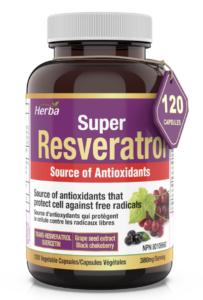
Resveratrol inhibits cellular aging, improves blood microcirculation, promotes cardiovascular health, and provides a robust defense against stressful situations. Like lutein, it is indicated in cases of significant eye strain. It also prevents age-related deterioration of vision and relieves inflammation in eye diseases.
Curcumin
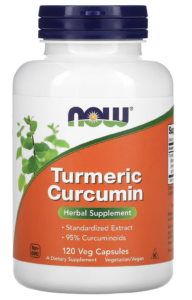
Curcumin has antioxidant properties, anti-inflammatory and analgesic effects, and helps reduce muscle tissue damage and inflammation. It blocks the production of inflammatory substances (prostaglandins II series). Also, turmeric helps prevent and alleviate atherosclerosis. Turmeric is excellent in reducing and preventing metabolic syndrome.
Lipid-Based and Systemic Health Support
Omega 3
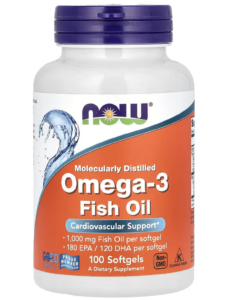
Omega-3 is the number one supplement among practicing biohackers and those who monitor their health. Although our bodies cannot produce polyunsaturated omega-3 acids independently, they are critically important. Unfortunately, we can only obtain them from food (or supplements to our main diet).
Omega-3 acids are fundamentally essential in the formation of cell membrane phospholipids. Our cell membranes are literally everything to us. Without strong, healthy membranes, cells lose their ability to retain water, nutrients, and electrolytes.
Suppose there is not enough omega-3 in the diet. In that case, the body lacks the material to build high-quality, durable cell membranes, inevitably leading to a decline in quality over time. Weak, fragile membranes fail to function correctly. They are more easily damaged, leading to the development of chronic diseases over time. That is why we need omega-3.
How to start using nutritional supplements
Incorporating nutritional supplements into your daily routine can be a powerful way to support your health and wellness goals. However, it’s essential to do so thoughtfully and strategically to ensure safety and effectiveness.

Choose High-Quality Supplements for Your Needs
Not all supplements are created equal. Start by identifying specific health goals like boosting energy, supporting immunity, improving sleep, or enhancing cognitive function. Then, look for supplements that are:
- Third-party tested for purity and potency.
- Made by reputable brands with transparent ingredient sourcing.
- Free from unnecessary additives, fillers, and artificial ingredients.
Consult a healthcare professional or nutritionist to guide your choices based on your individual needs and any existing health conditions.
Follow Proper Dosage and Timing Guidelines
Taking supplements correctly is just as important as choosing the right ones. Always:
- Follow the recommended dosage on the label or as advised by a healthcare provider.
- Be aware of timing, some supplements work best on an empty stomach, while others are more effective with food.
- Avoid taking multiple supplements that contain the same ingredients to prevent overdosing.
Consistency is key. Set a routine that helps you remember to take your supplements regularly.
Track the Effectiveness of Supplements
Supplements can take time to show results, so monitoring how you feel over weeks or months is important. To track effectiveness:
- Keep a health journal to note changes in energy, mood, sleep, digestion, or other relevant areas.
- Consider regular check-ins with a healthcare professional, especially if you’re using supplements for therapeutic purposes.
- Be open to adjusting your regimen; sometimes, a different brand, dose, or formulation may be more effective.
By approaching supplementation in a mindful and informed way, you can optimize your health outcomes while minimizing risks.
Examples of known biohackers who actively use additives
Dave Asprey, known as the father of biohacking, uses many supplements daily to enhance energy, brain function, and longevity. His routine includes mitochondrial boosters like CoQ10 and PQQ, nootropics like L-theanine and alpha-GPC, and anti-aging compounds like NMN and resveratrol. He also takes omega-3s, collagen, curcumin, adaptogens, and probiotics. For Asprey, supplements aren’t just about fixing deficiencies. They’re tools for optimizing the body and extending healthspan through data-driven self-experimentation.

Bloomberg also told the story of Brian Johnson. Who could be called the god of biohacking? He spends 2 million dollars a year to improve his health. The team is led by Oliver Zolman, a 29-year-old regenerative medicine physician from Cambridge. He’s committed to helping reverse the aging process in all of Johnson’s organs. The goal is to get the brain, heart, lungs, liver, kidneys, tendons, teeth, skin, hair, bladder, sexual system, and GI tract by any means necessary, like an 18-year-old boy.
Brian maintains a rigorous diet (1977 vegan calories a day), exercises (an hour a day, plus high-intensity exercise three times a week), and falls asleep at strictly the same time every night after two hours of wearing blue light-blocking glasses. His body fat ranges between 5% and 6%, and he has no excess cholesterol. Doctors monitor Johnson’s cognitive function daily, doing tests of his reactions and blood draws.
Tim Ferriss, author of The 4-Hour Body and The 4-Hour Workweek, is a well-known self-experimenter who uses supplements to optimize performance, sleep, fat loss, and cognitive function. He’s shared protocols that include smart drugs like alpha-GPC and aniracetam, fat-loss aids like green tea extract and PAGG stacks (policosanol, ALA, garlic extract, and green tea), and sleep enhancers such as magnesium, L-theanine, and melatonin. Ferriss approaches supplementation, focusing on the “minimum effective dose,” constantly testing and refining what works best through measurable results and personal data tracking.
Risks, side effects, overdose

Supplements for biohacking are generally safe when used as directed but may cause side effects, interact with medications, or be harmful in high doses. Consult your doctor first. Risks include toxicity from high doses, drug interactions, body contamination, and misleading claims that are not as prescribed by the manufacturer or your doctor.
To sum up
Biohackers often use specific vitamins and supplements to improve cognitive function, energy, and overall health. Popular options include B vitamins, vitamin D, magnesium, omega-3 fatty acids, and nootropics such as L-tyrosine and choline. It is important to remember that before starting any supplements, including vitamins, you should consult with your doctor. Each biohacker has his own set of dietary supplements.
for subscribing!