


Biohacking Secrets for Thick and Vital Hair
Biohacking is a smart approach to healing your body, including your hair. It’s based on science, nutrition, and supplements that really work. If your locks have become thin, brittle, or have started to fall out, it’s worth looking at nutrients that can restore their health from the inside out. Let’s discover more about biohacking hair care and how to bring it more alive!
Highlights
- Hair health depends on genetics and lifestyle habits like diet and care.
- Men and women lose hair differently; hormones and genetics play key roles.
- Proper hair care basics include peeling and scrubbing, shampooing, moisturizing, and styling.
- Biohacks for hair care include supplementation, scalp massages, red light therapy, and transplant surgery.
- Before undergoing conventional treatment, you need to consult a doctor.

Contents
Hair Health: Genetics or Lifestyle
Hair is a clear indicator of your health. More than 50% of people on the planet have hair loss, deteriorating hair quality, dullness and brittleness. Biohacking for hair is an effective way to improve its condition without salon procedures. The right balance of vitamins and nutrients will help you keep your locks thick, strong and shiny for years to come.
Here are some interesting facts about our hair:
- by nature hair has amazing strength and resistance to environmental influences, including aggressive ones, and one human hair can withstand 100 grams of weight
- hair is afraid of contact with fire and quickly ignites, but it is not destroyed by water, low temperatures and even some acids.
- hair covers our entire body except for the lips, palms and soles, on the body we have downy hair, which is almost invisible.
- men’s hair is often twice as thick as women’s hair.
- hair grows on the hair follicle, where new cells appear, then they dry out, become keratinized and their shaft lengthens, this is the hair we are used to seeing.
- hair grows only upwards or perpendicular to the surface of the skin, so the short ones stick out, and the long ones lay down under their own weight.
- one hair bulb can grow a new hair about 20 times, and one hair lives for about 5-6 years.
What do hair color and density depend on?

Hair color is determined by the pigment melanin, which is formed in two types. The first kind is the so-called grains and they give dark hair color from dark blond to black, but in the distributed form they provide a whole palette of light colors – from almost white blond to red. But such shades as blue, red or green are not under the control of this pigment, and such a color can only be achieved with the help of paint.
It is believed that the density of hair depends on their color, and on average on the head of a person grows about 100000 hair follicles, but if you go deeper, it turns out that blondes and blondes nature laid about 148000 follicles, brunettes – 110000, shades – 100000, but the least lucky owners and owners of red hair – the number of hair follicles they have the lowest and is about 86000. Let’s now break down the exact causes of hair loss – inside and outside your body – and how they differ for men and women.




Reasons for Hair Loss
With age we get gray hair due to the fact that the hair follicles are not working properly, melanin is no longer produced and often the hair becomes thinner. But in addition to age, other factors can lead to impaired hair growth, such as:
- stress
- endocrine system disorders or hormonal imbalance
- abrupt changes in diet and nutrition
- chronic and recurrent diseases
- aggressive environmental factors
- exposure to toxic drugs and substances
- in men, hair growth disorders may be related to the production of testosterone hormone
- genetic factors and diseases
However, hair loss does not become noticeable immediately, in order for it to become visible it is necessary to lose about half of them, so if you notice that there is too much hair on the comb / pillow – it is a reason to consult a doctor who will conduct an examination of the scalp, collect anamnesis, conduct laboratory and instrumental diagnostics, diagnose and prescribe treatment. but you can do all your best to support your hair and prevent it!
Gender-Specific Patterns For Men & Women
Hair loss in men and women can occur for different reasons, but there are also common factors, such as stress, unbalanced diet, hormonal disorders, and vitamin deficiencies. However, in men, hair loss is more likely to be androgenic, associated with the effects of testosterone, which leads to gradual thinning of the hair in the forehead and parietal area.
In women, hair loss is usually diffuse – evenly distributed over the entire head, and is often caused by hormonal changes after childbirth, during menopause, or due to thyroid disorders. The rate of hair loss also varies: in men, the process can be rapid and progressive, while in women it can be slow and reversible with proper treatment.

Studies show that up to 70% of men experience androgenetic hair loss by the age of 50. Among women, about 40% notice significant hair thinning by the age of 50, especially after menopause. Although male pattern baldness is more often irreversible, in many cases, women can restore hair density with the help of hormonal adjustment, nutrition, and external care.
Hair Care Routine
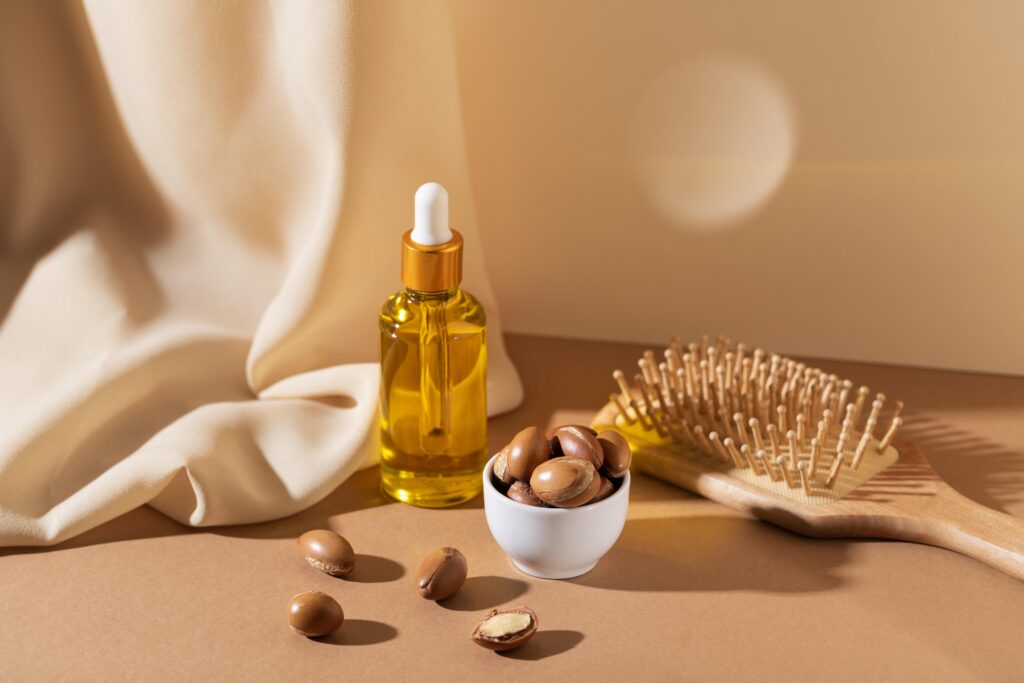
Beautiful and healthy hair is not just about genetics. It’s equally important to organize regular care with cleansing, moisturizing, and protecting products. At the same time, the pair “shampoo + conditioner” is not able to fully cover all care needs. For nutrition, it is necessary to periodically use additional masks. Serums and oils are used to restore and strengthen the strands. So, there are many products and stages.
Pre-Poo: Scalp Peeling and Scrubbing
The scalp normally renews itself within 28-30 days. During this period, the cells of the upper layer of the epidermis die, making way for new ones. This cyclicality is the key to the health of the scalp and hair. At the same time, shampoo does not always fully cope with the cleansing functions. If, after washing, the strands quickly become oily, lose root volume, look dull and brittle, the reason may be that the skin does not breathe.
In this situation, a scalp scrub will help. This is a beauty product that contains abrasive particles. Scrubbing helps to remove the layers of horny cells, deeply cleanse the pores of the scalp from dirt, sebum, and dead particles. As a result, cellular respiration improves, blood supply in the upper layers of the epidermis increases. As a result, hair follicles receive more nutrients from the blood, curls become healthier, stronger, thicker.
After scrubbing, the surface of the scalp becomes more prepared for absorbing active ingredients from shampoos, conditioners and other hair care products. This increases their effectiveness several times.
Peeling, like scrubbing, is a means of exfoliating keratinized cells. The difference is in the method of action. A scrub contains abrasive particles that mechanically affect impurities. Peeling formulas contain acids that dissolve the bonds between living and dead cells, which simplifies the exfoliation procedure.
Shampoo
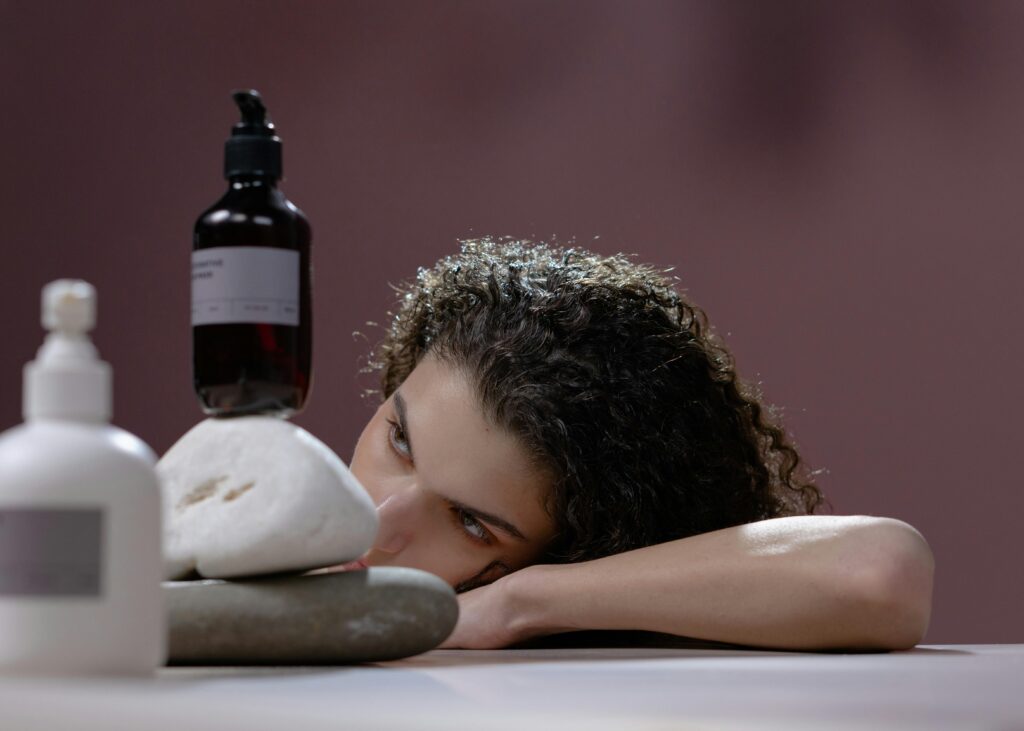
When caring for hair, the main focus should be on proper and timely cleansing of impurities. Dead epidermal cells, sebum (sebum), cosmetic residues, and dirt particles from the environment, including street air and tap water, accumulate on the scalp.
Mistakes in the choice of detergent composition are inadmissible, because even an expensive but incorrectly selected product can both aggravate existing problems and provoke the emergence of new ones – in the form of dandruff, itching, increased sebum secretion, reduced hair growth rate.
Properly select and use shampoo should be in compliance with the following recommendations:
- select hair care products in accordance with the type of scalp, and even if the hair belongs to the dry, and the scalp to the oily type, the means is taken in accordance with the type of skin;
- washing the head is recommended when the roots of the hair become dirty, which is visible externally and by sensation. Frequent, but in compliance with the rules, washing the hair and skin will not harm, if you wash your hair rarely, you can provoke seborrhea;
- the detergent is taken on wet palms, slightly rubbed, and applied to the roots of the hair and skin. The foam when washing off will have a sufficient cleansing effect, but at the same time avoid drying.
Experts recommend using two types of shampoo: a shampoo for your scalp type on a regular basis (apply only to the roots), and once every two weeks wash your scalp with a shampoo according to the condition of your hair. Thus, if your scalp is oily – the main shampoo should be for oily hair. And to rinse the entire length of the hair, use a shampoo for damaged, colored, dry or normal hair, depending on their condition.
Hair Moisturizing
There are two main reasons why hair feels dry to the touch: the sebaceous glands of the scalp are not producing enough sebum/grease, or the surface of the hair is damaged, causing moisture “leakage”. Home care should include moisturizing shampoos. After it, professionals advise using a balm. You can also periodically apply moisturizing masks. Five tips for those whose hair suffers from a lack of moisture:
- If you have thick, stiff hair, use a rinse-off conditioner first and a leave-in spray after getting out of the shower. Apply it to towel-dried strands.
- The intensive mask visually revitalizes extremely dry hair. Apply the composition on wet hair, leave it on for a few minutes and rinse. Now you know how to moisturize extremely dry hair quickly and easily.
- For stiff curly hair, a system of kowashing – washing the head with a mild cleansing conditioner instead of shampoo – is suitable. The conditioner will keep strands super moisturized and remove frizz.
- Before going to the pool, apply a balm and put on a swim cap. The procedure will prevent your hair from drying out in chlorinated water.
- In winter, be sure to use a rich moisturizing conditioner. A few times a week, add a mask to your basic beauty routine to instantly nourish your strands.
Hair Styling Care
Thermal protection for hair is a specialized cosmetic product designed to protect the cuticle from the negative effects of high temperatures when using hair dryers, flat irons, irons and stylers. The main purpose is to create a barrier between the curls and the heat source, preventing damage and preserving their health.
Thermal protection has become an essential part of hair care for many. Consider your hair type when choosing one:
- Fine: choose light sprays or serums to avoid weighing your strands down.
- Thick: creams and oils will provide a deeper level of protection and moisturization.
- Curly: products with more moisturizing ingredients will help to maintain the natural shape of your curls.
Hair Care Biohacks
Best vitamins and supplements for hair
It is impossible to say unequivocally what vitamins are responsible for hair or what to eat for their health. There are not as many unnecessary vitamins or elements for the body, and there is no single vitamin that will immediately help. It is more correct to talk about the balance of vitamins and elements received, for this you need to consume different foods without any rigid restrictions.
- Biotin (vitamin B7) – strengthens the structure of hair, accelerates its growth.
- Collagen – increases elasticity and makes hair thicker.
- Omega-3 – nourishes the scalp and prevents dryness.
- Zinc – regulates the sebaceous glands and prevents hair loss.
- Vitamin D – plays an important role in the regeneration of hair follicles.
- Iron – the lack of this element often causes hair loss.
It is important to consider the dosage and choose quality supplements. It is best to get vitamins from a balanced diet and to supplement nutrients in the form of capsules, powders or drinks. For example, calcium is involved in the structure of hair. Calcium needs to be served from 400 to 2000 mg per day. Dairy products (milk, yogurt, cheese), fish (salmon, sardines), vegetables and fruits (spinach, Brussels sprouts, broccoli), almonds and beans are the most rich in calcium. Phosphorus from seafood will provide your hair with rich color and elasticity. Poultry meat in general forms the basis of good nutrition.
Scalp Massages
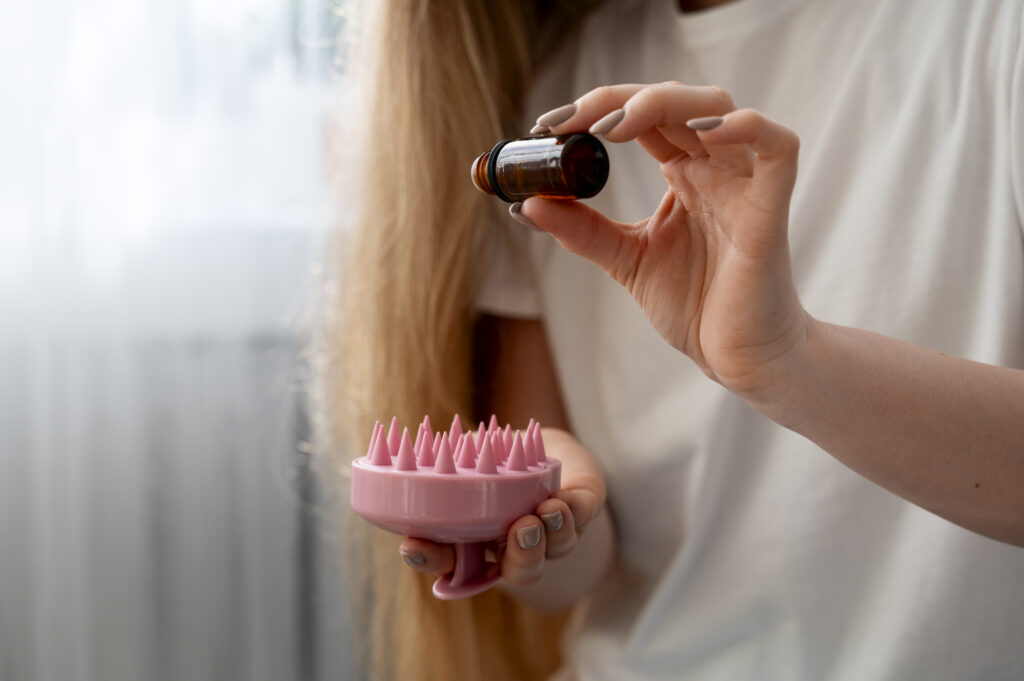
An excellent prevention of hair therapy for hair loss and headaches including head massage will be a scalp massage – it stimulates blood flow, but also normalizes the sebaceous glands, which contributes to the natural moisturizing of the hair. Massage exfoliates dead epidermal cells, and the tissues are more easily oxygenated. In addition, scalp massage is famous as an effective anti-stress.
- Try massaging your scalp twice a week. Each movement should be performed at least two or three times. The entire procedure should take 10-15 minutes.
- Since massage stimulates the sebaceous glands, it is better to massage an hour before washing your hair.
- Perform the massage only with clean hands, try not to scratch the skin with your nails and do not pull out the hair.
- For the best effect, you can use special serums to strengthen and nourish the bulbs or oils (argan, almond, turpentine).
- Head massage has contraindications, these include: fungal diseases, inflammation and trauma of the skin, alopecia and hair loss in extreme level, hypertension, vascular diseases.
Red Light Therapy for Hair Growth
Red light therapy, also known as low-intensity laser therapy (LILT), is a non-invasive treatment that uses red or near-infrared light to stimulate hair growth. This therapy involves exposing the scalp to light emitted from laser devices.
Hair Transplant Surgery
A hair transplant is a surgical procedure that moves hair follicles from one part of the scalp to another. It is a safe and effective procedure, but it is important to choose a reputable surgeon who is experienced in hair transplantation. The procedure is always performed under anesthesia, so you won’t feel any pronounced discomfort. These types of transplants have been performed since the 1950s, but the procedures have improved greatly in recent years.
Conventional Treatments
Minoxidil
The history of the appearance of this hair therapy for hair loss is quite interesting. Originally it was created in the middle of the 20th century as a remedy for peptic ulcer disease, but it did not give much effectiveness in the fight against this affliction. Then, it was noted that the drug Minoxidil has a vasodilating effect and began to be used as a drug for high blood pressure. But in the process of treatment, many patients noted an interesting side effect – the hair on the head began to grow much more intensively, becoming thicker and stronger. Around 1988, this feature was adopted by trichologists and cosmetologists.Vasodilating action and improvement of blood microcirculation in the scalp provide an active supply of oxygen and nutrients to the hair follicles, normalizing metabolic processes, activating hair growth. Regular use of the drug allows you to strengthen, stimulate, suspend thinning of the hair and hair loss.
To date, Minoxidil and various cosmetics based on it are very popular for the treatment of baldness and prevention of androgenetic alopecia. It should be noted that Minoxidil is mainly suitable for men.
DISCLAIMER: it is strictly forbidden to self-medicate! Please consult your doctor if you have any hair problems that require intensive therapy.
Finasteride
It is the only specialized treatment for androgenetic alopecia that is effective in stopping hair loss.
DISCLAIMER: Finasteride is a prescription drug and should only be taken under the supervision of a doctor. Side effects can be quite significant because the drug interferes with the metabolism of male sex hormones.
Mesotherapy, PRP (Platelet-Rich Plasma Therapy)
Hair mesotherapy is a treatment method in which vitamins, minerals, amino acids, and growth factors that nourish the hair roots are injected into the scalp. It reduces hair loss, supports new hair growth and strengthens the hair.
DISCLAIMER: it is strictly forbidden to self-medicate! Please consult your doctor if you have any hair problems that require intensive therapy.
TOP-5 Myths About Baldness
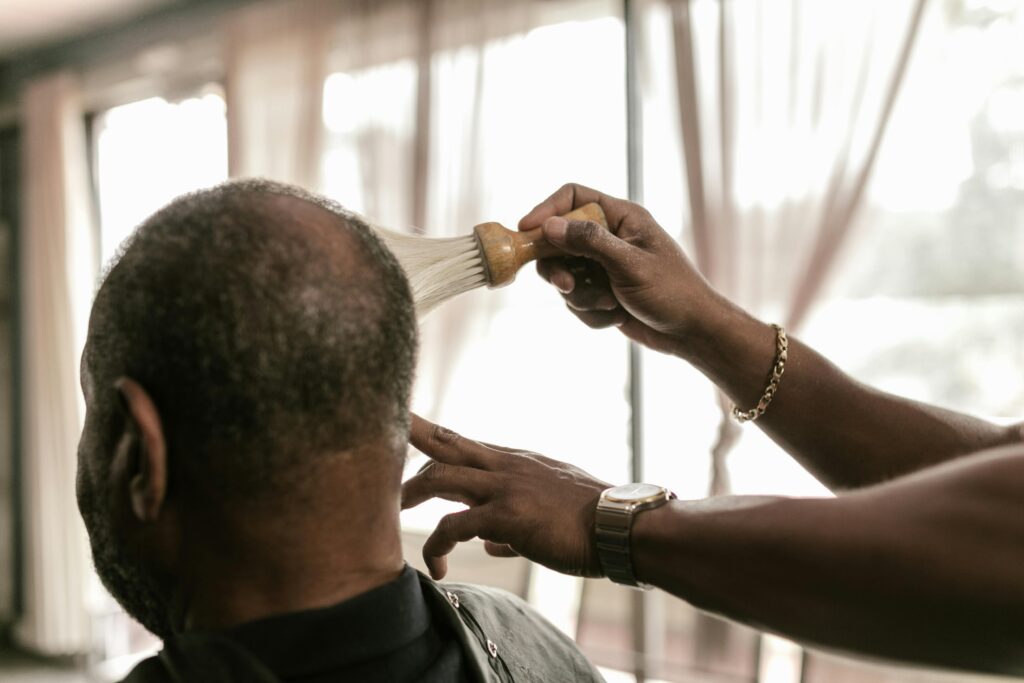
Baldness is surrounded by many myths – let’s bust the most popular ones.
1. Baldness comes from your mother’s side.
Not entirely true. While genes from the mother’s side do play a role, hair loss is influenced by both parents’ genetics.
2. Wearing hats causes hair loss.
Nope! Hats don’t affect your hair follicles. Only tight hats worn constantly might contribute to traction, but they don’t cause baldness.
3. Washing your hair too often makes it fall out.
Washing removes shed hairs that were already due to fall. It doesn’t cause more to fall out.
4. Baldness only affects older people.
Hair loss can start as early as your late teens or twenties, especially if it’s genetic.
5. There’s no way to stop hair loss.
False. While not all hair loss is reversible, treatments like minoxidil, finasteride, PRP, and lifestyle changes can slow or even reverse it in some cases.
To sum up
In a normal person, approximately 100 hairs fall out every day, an increase in this amount may indicate pathological processes in the body. About 0.1% of the world’s population has at least once observed increased hair loss.
The density of hair differs from person to person and on different parts of the body. It depends on age, gender, race, etc. The total number of hair on the head of blondes is 140 thousand, in shades – 109 thousand, in brunettes – 102 thousand, in redheads – 88 thousand.
Increased hair loss can be caused by stress. In patients with sleep and wakefulness disorders, memory loss, obsessive compulsive disorder, changes in brain biopotentials are observed, which can lead to disruption of hair follicle trophics.
Exogenous factors (insolation, dry air, use of hot hair dryer, aggressive shampoos, colors) have a negative impact on the condition of hair. This occurs by breaking the “tile-like” arrangement of hair scales, leading to splitting of the hair shaft and increasing its brittleness. Taking certain medications can also lead to increased hair loss. Anyway, if something nerves you, it is imperative to see a dermatologist or trichologist. In the future, it may be recommended to consult an endocrinologist, therapist, gastroenterologist, neurologist, gynecologist, physiatrist, rheumatologist.
for subscribing!