


Simple Biohacking Breakfast Ideas

In recent years, the concept of biohacking has captured the attention of many people seeking to improve their lives, health, and productivity using scientifically proven methods. One of the most important aspects of this practice is proper nutrition, especially breakfast — the most basic and important meal of the day. So, how should you eat the right breakfast to achieve maximum results from biohacking and building a healthy diet?
Highlights
- A biohacking breakfast focuses on stable energy and sharp mental clarity.
- Protein and healthy fats help avoid blood sugar spikes and mid morning crashes.
- Avoiding sugar and refined carbs helps prevent fatigue and brain fog early.
- Keto breakfasts rely on fats and protein to enhance clarity and metabolic efficiency.

Contents
What Is a Biohacking Breakfast?
A biohacker breakfast is a functional nutrition plan designed to maximize productivity, stabilize energy levels, and maintain mental clarity without insulin spikes. Building a biohacker’s breakfast is a smart approach to food selection and diet. For best results, consider several key factors:
- Food quality: foods should be natural and minimally processed. Avoid artificial additives and preservatives. Choose organic vegetables, fruits, meat, and dairy products.
- Macronutrient balance: biohackers often experiment with the ratios of protein, fat, and carbohydrates. The optimal ratio can vary — some prefer low-carb diets, while others aim for a high-fat diet.
- Calorie control: it’s important to monitor your calorie intake (not just for breakfast, but throughout the day).
Why Breakfast Matters for Biohackers
By prioritizing high-protein, healthy fats, biohackers avoid mid-morning crashes, sharpen mental focus, manage metabolism, and support long-term hormone health. While some biohackers use intermittent fasting to skip breakfast and support longevity, those who do eat focus on nutrient density for immediate, high-level performance.
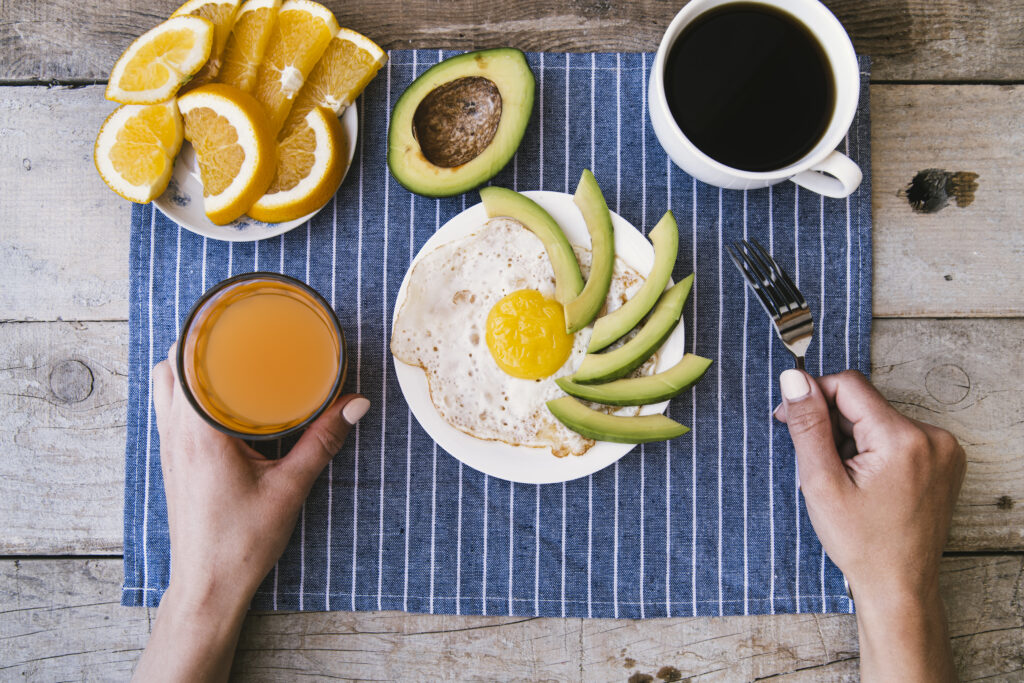
Key Nutrients in a Biohacking Breakfast
It eliminates sugar and refined carbohydrates, emphasizes protein, healthy fats, and fiber, and often involves avoiding early coffee. Basic principles of a biohacking breakfast:
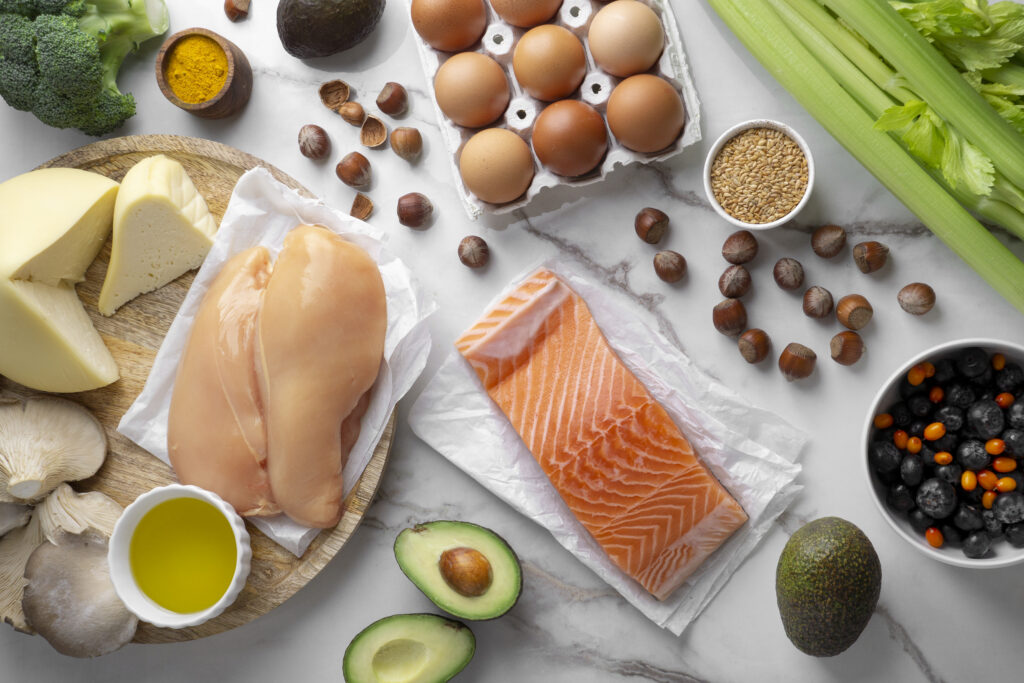
- Protein- and fat-based: eggs, avocado, salmon, nuts, and green vegetables provide long-lasting satiety.
- Eliminating “insulin swings”: avoiding baked goods, granola, and fruit in the morning prevents hunger and brain fog.
- Caffeine break: drink coffee 1.5-2 hours after waking to allow cortisol levels to rise naturally.
- Nutraceuticals and superfoods often include supplements (vitamins, magnesium) to support cognitive function.
- Circadian approach: eating breakfast after light exposure (light loading) helps reset the internal clock.

Best Foods for a Biohacking Breakfast
A biohacker’s breakfast might look like this: a smoothie made with spinach, avocado, protein powder, and almond milk. This breakfast will provide you with the vitamins and minerals you need to kick-start your day. What other options are there?
Coffee holds a special place in the morning routine, taking on a new meaning in the biohacking culture. It’s transformed into a functional drink, enhanced with healthy fats and active ingredients. This “upgrade” allows for a more gentle, long-lasting effect: energy becomes stable, and concentration deep and sustained, without the usual spikes and subsequent fatigue.
An additional element is collagen — a source of protein that supports not only the appearance of the skin but also the health of joints and the digestive system. Thanks to its versatility, it easily integrates into morning drinks or meals, enhancing their nutritional value without altering the taste.
Minerals, often overlooked, play an equally important role. They are essential for maintaining water balance and participate in key biochemical processes in the body. Even small changes, such as adding high-quality salt or using mineral supplements, can significantly impact overall well-being and energy levels.
Ultimately, modern biohacking breakfast recipes aren’t about restrictions, but about conscious choice. It’s a way to start your day at your best, support your body at the cellular level, and create the foundation for stable energy, clear thinking, and long-term health.
10 Simple Biohacker Breakfast Ideas

Simple biohacker breakfasts focus on stable blood sugar, high protein, and healthy fats for sustained energy and cognitive function. Catch some ideas from our nutritionists!
Baked Sweet Potato
According to the International Journal of Biological Macromolecules, baked sweet potatoes with the skin on are a nutritious yet light breakfast option. Their fiber and slow-digesting carbohydrates provide a steady supply of energy, while vitamins, minerals, and antioxidants strengthen the body. Try pairing sweet potatoes with seasonal vegetables or protein foods. Letting them cool before serving will help them develop more resistant starch, a component that helps prevent blood sugar spikes.
Quinoa Salad
According to the Journal of Food Chemistry, quinoa is a gluten-free pseudocereal rich in complete protein and all essential amino acids. It’s perfect for an energetic start to the day. Add chia seeds to the salad for fiber and better digestion, and avocado for a healthy fat that helps stabilize glucose levels. This combination makes a filling, balanced breakfast that lasts until lunch.

Savory Oatmeal
Oatmeal doesn’t have to be sweet. Cooked in low-sodium broth, it makes a nutritious base for a filling breakfast. Add spinach, mushrooms, bell peppers, or other vegetables to the bowl. For added benefits, include an egg for protein, a little cottage cheese, or nutritional yeast for flavor. Finish with slices of avocado or a few drops of olive oil for a rich, healthy-fat start to the morning.
Miso Soup
In Japan, this dish is traditionally used to start the day. Fermented miso paste contains probiotics, which promote gut health. As Food Science & Nutrition recommends, you can add seaweed to the soup — a source of iodine, manganese, and folate. Cubes of tofu make it even more nutritious, providing high-quality plant-based protein.
Protein Pudding
Protein pudding is a quick, filling, and healthy way to start the day with a high protein content (>20g) that helps control appetite. It’s made with protein powder, milk (regular or plant-based), and a thickening agent (chia seeds, starch, or gelatin). Popular options include chocolate-banana, vanilla-berry, and chia pudding. It’s popular as a dessert replacement or as a quick, filling breakfast.
Avocado Toast + Egg
An avocado and egg sandwich isn’t just a trendy breakfast on social media; it’s a truly powerful energy boost in the morning. Sound surprising? We’ll explain why. Eggs are the nutritional king of the morning. A single egg is packed with protein and B vitamins, which help convert food into energy. Egg whites digest slowly, providing sustained fullness and steady energy without sudden spikes.
Avocado paired with eggs plays two roles:
- It adds healthy fats and fiber, slowing the absorption of carbohydrates from the rest of the meal. This means no rapid spike in blood glucose after breakfast — energy is released gradually.
- Avocados are rich in potassium and magnesium, which support muscle and nerve function.
Fermented Cottage Cheese
Cottage cheese contains casein, a protein that digests slowly and maintains stable energy levels for several hours. It also contains calcium for muscle mass and a healthy metabolism. It pairs well with both sweet and savory toppings.
Greek Yogurt
Perfect for breakfast on the go or when you’re not feeling particularly hungry. It’s rich in protein and probiotics, which support digestion, stable blood sugar levels, and even mood. It’s especially helpful on stressful days.


Baked Eggs with Cheese
King Charles’s favorite breakfast. Darren McGrady, a former royal chef, shared the recipe for this royal delicacy. He says Charles simply can’t imagine his morning without this dish, which combines tender eggs, cream, fresh vegetables, and gooey cheese.
Baked eggs with cheese aren’t just about breakfast; they’re a balance of flavor, nutrition, and lifestyle. They’re rich in protein, calcium, phosphorus, and B vitamins. Omega-3 fatty acids from eggs and antioxidants from spinach support heart and skin health, while the cheese adds a feeling of fullness. The dish is also versatile: you can add your favorite vegetables, replace spinach with broccoli, or use lactose-free cheeses.
Lavash and Chicken Breast Roll
This breakfast is a source of complex carbohydrates, easily digestible protein, healthy fats, fiber, and various micronutrients, including niacin, lycopene, B6, folate, iron, calcium, phosphorus, selenium, and potassium. It takes 15-20 minutes to prepare and is perfect for breakfast, a picnic, or even a holiday meal.
Foods to Avoid for Breakfast
To maintain steady energy and health, avoid breakfast foods high in refined sugars, sodium, and unhealthy fats, which cause energy crashes and hunger, such as sugary cereals, pastries, bacon, sausage, and high-sugar coffee drinks. Wrong food choices to make for breakfast can put you at risk of digestive disorders.

Biohacking Breakfast on a Keto Diet
The basic idea of the keto diet is to force the body to use fat as its primary energy source instead of carbohydrates. It involves high-fat intake, moderate protein intake, and minimal carbohydrate intake. Many biohackers report improved mental clarity and stable energy levels.
This way, biohacking keto breakfast must focus on nutrient-dense, high-fat, and moderate-protein foods designed to boost mental clarity, steady energy, and metabolic efficiency. Key strategies include consuming healthy fats (avocado, coconut oil, grass-fed butter), high-quality proteins (eggs, wild-caught fish), and intermittent fasting.
Should You Skip Breakfast on an Intermittent Fasting Diet?
You don’t have to skip breakfast to follow an intermittent fasting diet — it’s all about your eating window, not a specific meal. While many people skip breakfast with the popular 16:8 method, others may feel better eating earlier in the day and skipping dinner instead.
The key is how your body responds. Some people experience steady energy and reduced calorie intake without breakfast, while others feel fatigued or overeat later. For weight loss and overall health, consistency and sustainability matter more than timing.
It is entirely optional and depends on individual health, lifestyle, and goals. Ultimately, the best approach is the one that fits your lifestyle and supports your energy, mood, and long-term habits.
Summary
Proper nutrition and a healthy breakfast ideas are key to biohacking, helping you optimize your health and performance. By experimenting with different diets, nutritional approaches, and routines, you can find the one that works best for you. The key is to listen to your body and make conscious choices about quality foods, both for breakfast and throughout your diet. Change your habits, adapt your diet, and observe positive changes in your health and vitality.
for subscribing!