


Everything You Need to Know About Protein
Many people who hear about powdered protein mentally imagine jocks in the gym and think that this supplement can be used only for muscle building. Proteins have many tasks: they heal wounds, protect against disease, deliver oxygen to cells, help you move, and regulate insulin levels. Let’s find out what else this nutritional supplement can be used for, how to take it during intense physical activity to recover faster and build muscle, and how this protein generally works.
Highlights
- Protein builds muscles, supports skin, hair, joints, and internal organ health.
- Key for athletes, vegetarians, and dieters to maintain strength and energy.
- Best sources: meat, fish, eggs, dairy, legumes, nuts, and protein powders.

Contents
What is Protein?
Protein is an oxandrolone and a powder. This component is necessary not only for building muscle tissue and its recovery after sports activities but also for the health of skin, hair, nails, ligaments, joints, and internal organs in the human body.
We get protein from food. Protein is found in dairy products, legumes, liver, cereals, and seafood (especially salmon, tuna, and anchovies). However, there are situations when more protein is needed.
For example, bodybuilders’ activities without this supplement will not be successful because a lot of protein is required for building muscles. Consumption of concentrated protein allows you to:
- Build an athletic, relief body. The nutritional supplement strengthens tissues, replenishes losses in muscle areas, which occur during intensive training;
- Lose weight;
- Strengthen immunity;
- compensate for protein deficiency in vegetarianism, irregular diet;
- Provide delivery of micronutrients.
For girls, this dietary supplement is recommended in cases of:
- Regular physical training;
- Vegetarianism;
- Low-calorie diet (reduces the feeling of hunger, making it easier to tolerate dietary restrictions).
Protein plays an important role for women in sports. It is used for quick recovery after training, to reduce appetite during weight loss, and to increase muscle mass. Protein also protects against premature aging and gives women a charge of vigor for the whole day.

Nutritional supplement brings the male body a tremendous benefit:
- Increases the production of somatropin and testosterone;
- Increases the body’s defense functions;
- Protects against stress;
- Strengthens bones and ligaments;
- Increases metabolism;
- Rejuvenates the skin;
- Promotes the formation of a relief athletic physique;
- Restores muscle tissue.
Suitable for sports: weight loss, drying, building muscle mass.
Advantages of protein:
- Reasonable price;
- Convenience of use;
- Low content of carbohydrates and fats;
- Easy and fast digestion of the substance;
- Snacking, which gives a better feeling of satiety, greatly benefits the body.
How Much Protein Do I Need?
Athletes need between 1.3 and 1.8 grams per kilogram of weight per day. The upper mark refers to those engaged in heavy sports (weightlifters, bodybuilders). For people who lead an ordinary lifestyle, consuming about 0.8 grams of protein per 1 kg of body weight per day is recommended.
The average norms of concentrated protein for women are 60-90 grams, and for men, 80-150 grams.
The supplement can be consumed in the following ways:
- Making a shake based on water, juices, milk, kefir;
- Use instead of flour in baked goods and pp desserts;
- Add to food (for example, in porridge with oat groats).
To make it easier to measure how much of a supplement you need, manufacturers make special measuring spoons.
When to drink protein
The optimal time to take concentrated protein is within an hour after an intense workout or an hour before physical activity and as a snack between main meals. The daily portion of protein can be divided into several meals. The body will not process more than 30 g of nutrients at a time.
Amino Acids in Protein
If a person leads a very active lifestyle or is involved in various sports, he or she needs to receive various amino acids on a regular basis, both those that are synthesized in the body and those that are not produced by it. Their regular use will undoubtedly have a positive effect on the general condition of the body, on the quality of the growing muscle mass, and on the level of muscle recovery.
Any amino acid does not need to be split and will enter the cells faster, but this does not carry any benefit. Amino acids are digested in 30 minutes, while protein is digested about 1 hour after ingestion. In 30 minutes, your muscles won’t have time to shrink.




Amino acid is important to the process of muscle tissue growth. All amino acids are necessary and important for this process. Protein contains all the essential amino acids. The amino acid composition of the protein is represented in twenty names of compounds, which are divided into essential and substituted: leucine, isoleucine, valine, histidine, lysine, methionine, threonine, tryptophan; cystine, serine, tyrosine, glutamine, glutamic acid, proline, alanine, arginine, glycine, asparagine and aspartic acid.
If a higher dosage of an amino acid is needed, then the amino acid needed must be purchased separately. This only applies if you have a medical condition. A healthy person does not need an increased dosage of amino acids.
Only those amino acids not included in protein can and should be purchased. These are such amino acids as taurine, gamma-aminobutyric acid (GABA), and ornithine. However, taurine is synthesized in the body from cysteine, and GABA is synthesized from glutamine. Proteins contain a higher rate of cysteine and glutamine. So they will be sufficient to form these amino acids.
Sources of Protein
Of course, the protein content of common foods varies. Fish, meat, eggs, and dairy products lead the way in terms of protein content. However, vegetarians and vegans also have access to high-protein foods such as soy products, cereals, and legumes. If you want to increase your protein intake through food, we have prepared several options that contain it in abundance!
- Fish and meat – chicken, beef, turkey, salmon, tuna. They contain a high level of protein and are an ideal choice for those who want to strengthen muscles;
- Dairy products – cottage cheese, yogurt, cheese, milk – contain a significant amount of protein. They are also rich in calcium, which is important for bone health;
- Eggs – this is a standard source of protein, containing all the important amino acids necessary for the body;
- Legumes – lentils, beans, peas, chickpeas are excellent plant sources of protein, rich in fiber and other nutrients;
- Nuts and seeds – almonds, hazelnuts, walnuts, chia seeds, and flax seeds – are not only tasty but also rich in protein and contain healthy fats.
Protein Supplements
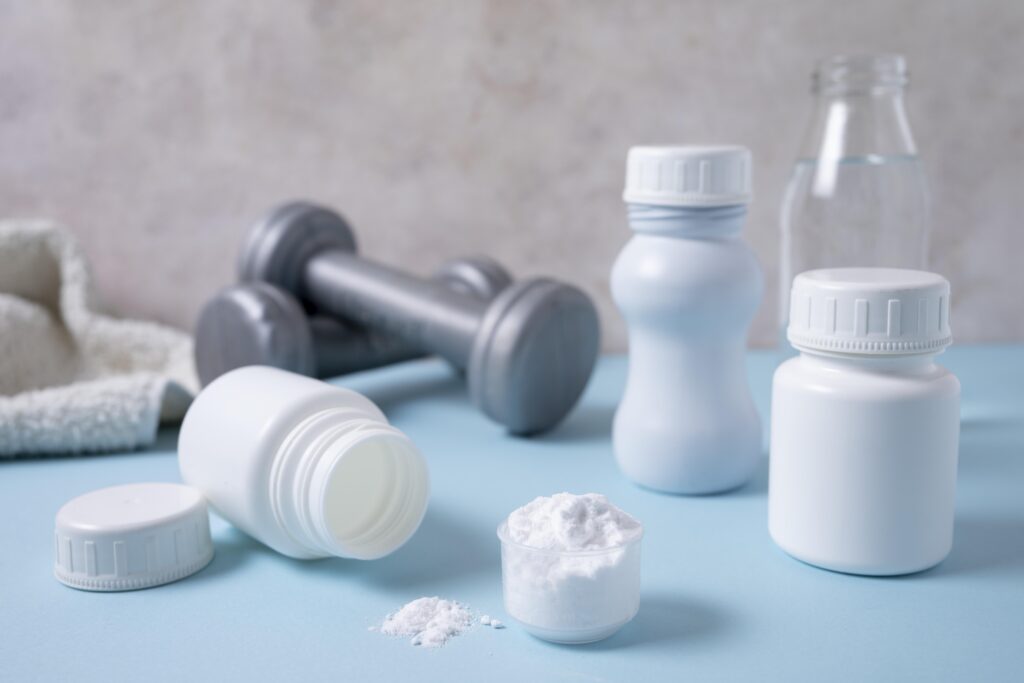
Protein supplements are milk-based (milk concentrate, isolate and hydrolysate, casein – calcium and sodium caseinates, micellar casein) and plant-based – soy, pea, hemp, rice, wheat; beef protein hydrolysate, collagen hydrolysate, egg protein.
Which one is better? Everyone decides for themselves. Suppose the speed of absorption is important to you. In that case, hydrolysates will be your priority because the protein is already broken down into greater or lesser-length peptides. Based on nutritional value, whey protein contains the maximum amount of BCAA amino acids, which is great for muscle growth.

Beef protein is also a good anabolic substrate because a serving of such protein essentially contains the protein of a hundred-gram steak. Casein, with its long molecules and high glutamine content, is an excellent anti-catabolic and immunostimulant. It is good to take at night or between meals to maintain amino acid levels in the blood.
Signs of Protein Deficiency
How does protein deficiency manifest itself in the body?
- Fatigue and weakness, even with minimal exertion;
- Decreased muscle strength, “sagging” figure;
- Frequent colds;
- Decreased concentration and memory impairment;
- Brittle nails, hair loss;
- Swelling;
- Dry and flaky skin.
Simple Protein-Rich Meal Ideas
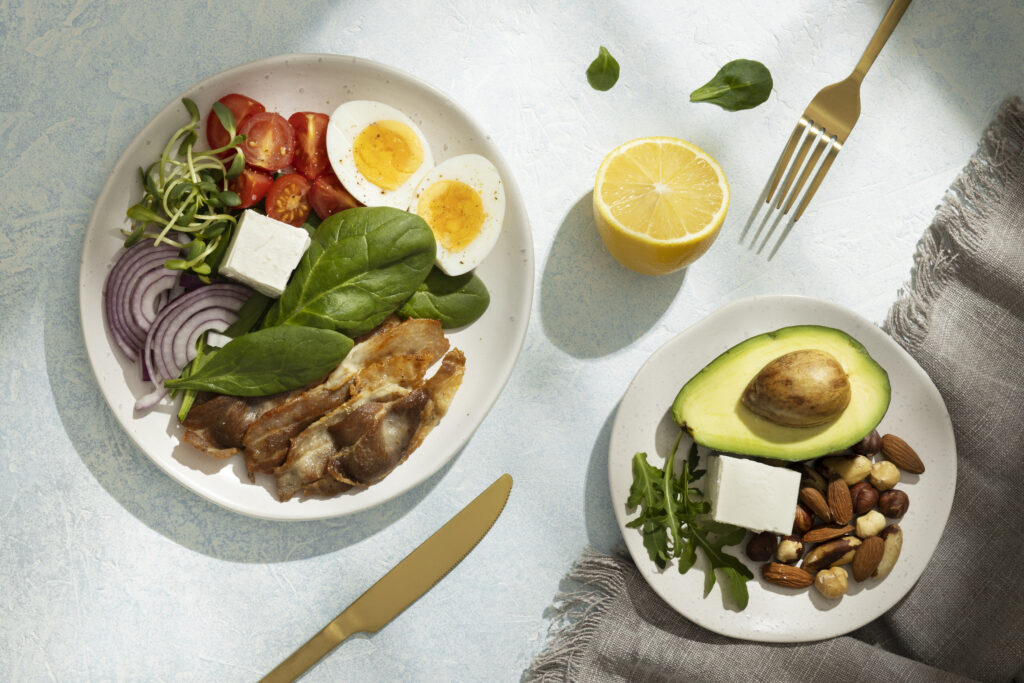
If you eat only three meals a day, each meal should contain about 29 g of protein (approximately 125 g of chicken meat). The average daily allowance is 96-132 g for men and 82-92 g for women. Athletes require an average of 2.0-2.5 g per 1 kg of body weight daily.
Remember to diversify your diet to get the full range of essential nutrients. For example, combining legumes with meat or fish creates a complete protein. When increasing protein intake, it is necessary to control the total amount of calories so as not to upset the balance.
For clarity, we have prepared a menu that will satisfy the protein needs for gaining muscle mass:
Breakfast (20 g protein):
Two-egg omelet;
A serving of oatmeal with milk or yogurt.
Snack (15 g protein):
Greek yogurt with nuts and fruits.
Lunch (40 g protein):
A serving of chicken fillet or fish;
A mixture of vegetables.
Snack (25-30 g protein):
A whey protein shake.
Dinner (30 g protein):
A serving of cottage cheese or fish;
A side dish of vegetables or green peas.
These are approximate examples, but you can focus on them. Individual characteristics, training goals, and, of course, diet must be taken into account to achieve the optimal balance for your body. Eating mindfully and including healthy foods will not only help you fill your protein gap but also provide your body with the necessary elements for a healthy and balanced lifestyle.
To sum up
Proteins are natural products that have absolutely nothing to do with chemistry. They inhibit the effects of the stress hormone cortisol, which destroys muscles while burning fat.
Protein is useful not only for intense physical activity but also for enhancing human health. Concentrated protein strengthens the body’s defense mechanisms, improves the work of the gastrointestinal tract and nervous system, regulates the production of hormones, maintains water balance in the body, and provides the body with energy during a low-calorie diet.
In conclusion, you should start by buying a small jar of a supplement of the body’s main building material to assess whether this product is right for you. If you notice discomfort or unpleasant sensations, try products from another manufacturer.
for subscribing!