


Biohacks for Stress Relief
Stresses are inevitable companions of modern life. They always become new challenges for a person. His stress reaction determines whether he will become a better version of himself in the future or step back and become vulnerable. It is the effects of stress that often bring clients to doctors. Like a trigger, stress triggers destructive processes in the body, undermining the leading resource of man – his health. In this article, we will consider how biohacking affects the body’s stress level and where to find a way out of even the most desperate situations.
Highlights
- Chronic stress accelerates aging and harms metabolic health.
- Emotional management can reduce the damage caused by stress.
- Supplements like L-theanine, B vitamins, phosphatidylserine, and glycine aid stress recovery.
- Exercise, meditation, normal sleep reduce cortisol and help manage stress.

Contents
Connection between biohacking and stress relief
Short-term stress can be beneficial by keeping you motivated, but prolonged exposure to it negatively affects your health. According to a study by scientists at Yale University, chronic stress accelerates the aging process, TechInsider reports. The researchers analyzed an “epigenetic clock” that uses DNA methylation markers to estimate biological age and applied the GrimAge method. The study involved 444 adults between the ages of 18 and 50. The results showed that cells showed signs of premature aging in people exposed to high stress levels. In addition, there was a direct link between chronic stress, adrenal sensitivity, and insulin resistance.
However, the scientists noted that the adverse effects can be minimized. Test subjects with good emotional regulation and self-control skills experienced fewer harmful effects. According to researcher Z. Harvanek, these results confirm that stress does accelerate aging, but competent emotional management can mitigate its effects.
Can biohacking cure a person from the effects of stress and help to resist it in the future, if not prevent it at all? Absolutely. Biohacking is health management, a project to increase productivity in all spheres of life. From the definition, it becomes clear that we are talking about establishing control. Not just over the physical state of the body but over one’s own life: habits, daily activities, the culture of eating, sleeping, sports, style of communication with people, and relationships with loved ones.
All this forms the basis of human health and directly impacts it. In a broader (and more correct) understanding than we are used to, health is defined as the complex well-being of body, mind, spirit, social relations, and environment. The sources of stress are inextricably linked. Psychological stress provoked by conflict with another person will set off a chain reaction in the body – the release of specific neurotransmitters that have anti-inflammatory effects. Conversely, disrupting internal physical processes caused by external factors leads to psychological stress.
The path of biohacking for stress management begins with getting to know yourself. Yes, it is getting to know the person closest to you, about whom, as it turns out, you don’t know much. Biohacking involves the study of more than 2000 parameters related to the physical, mental, spiritual, and social aspects of human life. From genetic predisposition and peculiarities of intestinal biosis to setting goals in family life, business, sports, etc – there is a unique way of self-knowledge through digitization. Obtaining data, the presence and study of which will allow us to establish control over many processes and to be more conscious of our reactions, habits, and decisions.
By nature, we cannot avoid negative emotions. But we can ensure that there are more positive emotions around us and within us. We need to be conscious of choosing one reaction or another. The body can help us with this. A healthier, optimally functioning body will give us more resources to choose a more constructive reaction.
Our emotions lead to the release of specific physical neurotransmitters into the bloodstream that are pro-inflammatory (e.g., adrenaline combined with cortisol) or anti-inflammatory and regenerative in nature. By the way, the highest cortisol concentration in our body is in the morning. Knowing this fact, it’s essential to go to bed on time, wake up early, and ensure a minimally stressful and enjoyable morning routine.
One of the pure hormones of happiness, serotonin, is produced mainly by the brain, but much of it is also made in the gut. Mood, nutrition, and lifestyle are all very closely related. Sleep deprivation and poor nutrition have a destructive effect on well-being and mood.

We are sure that everyone knows about the harm of sleeping late. Why do people not go to bed on time? They have a lot of important and useful things left to do, which they have not yet had time to do, doing unloved things. But who made them do the unloved chores? They misunderstood themselves and their goals and chose a path dictated by stereotypes rather than their own desires and preferences.
Therefore, learning about ourselves will help us cope with stress and maintain an active and rich life.
Supplement based biohacks
There are many natural supplements that will help you on your biohacking way to general well-being. But the one important thing is you must consult your doctor first!
Melatonin
Melatonin increases sleepiness, helps you fall asleep faster and wake up less often, improves the body’s rest during sleep, and reduces fatigue during the day. This natural substance produced by our body has beneficial effects on several other physiological aspects besides sleep. The best way to increase melatonin levels is by exposure to bright sunlight during the day. You can also use fluorescent lights. Melatonin can still be bought in the form of a dietary supplement. You should not take it daily because it can cause adverse effects. However, taking it for a week each month will be helpful, three hours before bedtime at 1-3 mg.


Glycine
Glycine is a neuroprotectant that reduces mental stress and improves sleep and intellectual productivity. This neurotransmitter is commonly taken as a sedative. The makers of the supplement say that glycine helps relieve stress and overexcitement, detoxifies alcohol, improves brain function, protects the body from free radicals, and even enables you to recover from a stroke.
St. John’s Wort
St. John’s wort (SJW), known botanically as Hypericum perforatum, is a sprawling, leafy herb that grows in open, disturbed areas throughout much of the world’s temperate regions. The widespread popularity of SJW’s use as an herbal remedy results from studies that appear to verify its efficacy in treating a variety of diseases, especially depression. In turn, the herb’s use has generated widespread interest among scientists seeking to firmly evaluate its effectiveness. Such studies include analyses of the effects of SJW extracts on isolated tissue samples, studies using animal models, and clinical analyses and meta-analyses of humans given SJW extracts.
L-theanine
L-theanine is an amino acid, a natural analog of glutamic acid (glutamate), the most important neurotransmitter of the central nervous system. Japanese scientists first extracted and isolated this substance from the leaves of the Camellia sinensis plant. Interest in it arose when it was discovered that green tea, despite its high caffeine content, has a relaxing effect on the body, helps to cope with anxiety and stress, and improves cognitive abilities and sleep quality.
B vitamins
Despite their diversity, all B vitamins have a common feature: they help improve metabolism in the human body and normalize the immune and nervous systems. All these vitamins are water-soluble and quickly eliminated from the body without accumulating. This means it is necessary to replenish their reserves, take unique vitamin complexes, and not forget about food rich in these substances. An important fact: doctors claim that taking B vitamins in a complex has a much more noticeable effect than taking any “variety” of B vitamins.
Phosphatidylserine
Phosphatidylserine is a phospholipid that protects the cells in your brain. This fatty substance transmits messages in your brain to help your memory and cognitive function. Phosphatidylserine is available as a supplement. It isn’t U.S. FDA-approved to treat any medical conditions, but is generally recognized as safe. The amount of natural phosphatidylserine in your body decreases as you get older. Some people choose to take this supplement to increase the amount of phosphatidylserine in their brain.
Gamma-Aminobutyric Acid (GABA)
GABA is an inhibitory neurotransmitter. It lessens a nerve cell’s ability to receive, create or send chemical messages to other nerve cells. Many medical conditions are associated with changing levels of GABA. Multiple medications target the GABA receptor. More evidence is needed to learn if GABA supplements and GABA-containing foods can help prevent or treat disease.
Biohacks for stress management
Sleep optimization for stress relief
Sleep deprivation reduces cognitive function, negatively affects immunity and metabolism, and unbalances hormones. Therefore, if you want to improve your health tangibly, you should establish quality sleep. It should last from 7 to 9 hours.
To do this:
- Plan a “date with a pillow” as an important meeting of the day: give up the idea of checking the news at 00:00 and turn on the “flight mode” not only on the phone but also in your thoughts.
- Have a dark and cool room: thick curtains, no bright light, and a temperature of 18-19 degrees are your best friends in the fight for a good night’s sleep.
- Do not go to bed “hungry and angry,” but do not eat before going to bed “like the last time in your life”: both options make the brain overactive.
Physical activity and recovery
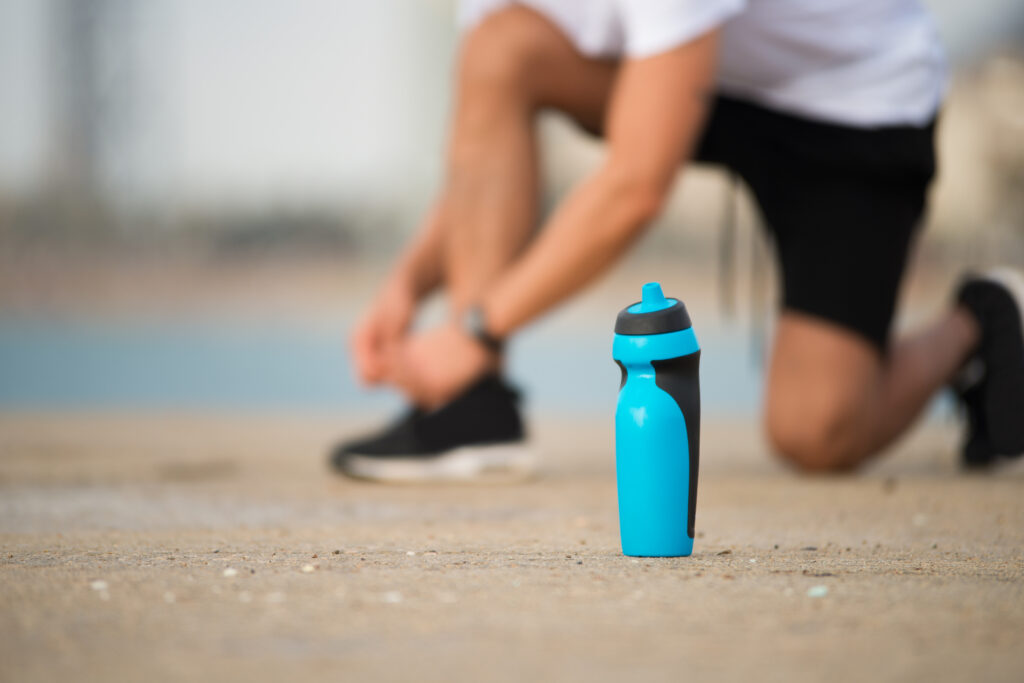
Physical activity should be personalized. We all lose muscle as we age; muscle is our health capital. We should start with moderate cardio exercise, which reduces the risk of cardiovascular disease and increases levels of “happy hormones,” and strength training, which curbs muscle loss (senile sarcopenia).
Recommendation: 150-300 minutes of weekly aerobic exercise + two strength sessions (minimum). It is not necessary to go to expensive gyms – you can run, walk at a brisk pace, and do exercises with your own body weight at home.
Breathing and meditation techniques
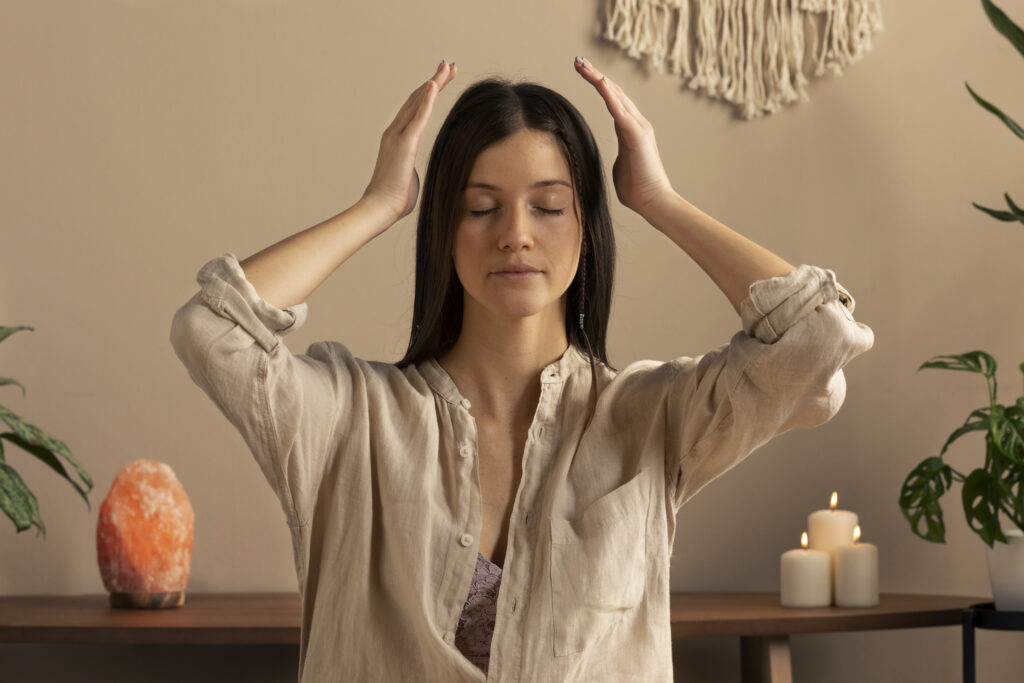
Meditation is a practice that typically involves focused attention and mindfulness, with the goal of achieving inner harmony, peace, and psychophysical well-being. There are many types of meditation in biohacking for mental health, including traditional techniques such as zen, transcendental meditation, and vipassana, and newer approaches such as meta-meditation and mindfulness-based meditation.
Health effects of meditation:
- Stress reduction: meditation is often associated with reduced stress levels. Studies show that regular meditative practice helps to reduce cortisol (stress hormone) levels and activate relaxation responses in the body.
- Mental health support: many studies confirm that meditation can be effective in supporting mental health. It has been linked to reducing symptoms of depression and anxiety. Also, meditation can be incorporated into holistic treatment for people suffering from post-traumatic stress disorder (PTSD).

- Improved cognitive function: several studies suggest that meditation may improve mental functions such as attention, concentration, memory, and information processing. For example, meta-analyses of studies on mindfulness meditation indicate cognitive improvement.
- Changes in the brain: Neurophysiological studies demonstrate that meditation can cause structural and functional changes in the brain, such as an increase in gray matter volume in areas associated with self-control and emotional regulation.
- Improved sleep quality: some studies also link meditation to improved sleep quality. Regular meditation can help relieve stress and improve sleep, affecting overall physical and mental health.
Technology-driven stress relief biohacks
Gadgets and biohacking devices always cost millions. Even ordinary fitness bracelets allow you to track your sleep and physical activity. They can be a “smartwatch” or “bracelet” that shows the dynamics of heart rate, sleep, steps, and stress levels. Sometimes, they motivate themselves no worse than advice from a fancy trainer. Basic tests for vitamins and trace elements can be done for a relatively normal price.
How to biohack the stress response
Chronic stress, typically fuelled by work, family obligations, and financial strain, sends our bodies into “fight or flight” mode, a reaction once reserved for acute-only situations. This can lead to overwhelm, fatigue, anxiety, depression, and more serious health concerns since it promotes inflammation in the body.
Below are the top five trending biohacks many use to promote a healthier mental state during this time.
Ice baths, cold showers, and other cold exposure methods expose the body to a rapid change in temperature, causing the most commonly reported benefit to be an improvement in mood and focus. This is likely due to a sharp increase in norepinephrine, a hormone and neurotransmitter in the brain linked to mood and attention. An absence of norepinephrine is associated with low energy, poor attention, and depression.

- At-home saunas
Saunas induce a protective stress response, producing heat shock proteins crucial for stress resilience and reducing free radical damage and inflammation. This helps fight stress at a cellular level and aids with flushing out toxins (additional stressors) through sweating. At-home saunas are now widespread, ranging from single-person fabric to large wooden structures.
During red light therapy, the skin is exposed to a lamp, device, or laser that uses red light. Mitochondria, the cell’s powerhouse, soaks up this light and generates more energy. These devices have been proven to counter depression, boost mood, and fight stress by increasing cellular energy.
- Meditation
As we said above, meditation is a widespread stress-busting tactic, with many different methods, apps, and content available that teaches how to do it effectively. It helps eliminate stress from the brain and body, leading to better sleep, more precise focus, stronger immunity, and increased productivity.
- Breathwork
Research has repeatedly proven a link between stress and breath, showing that the brain can easily relax using breath. Short and rapid breathing is controlled by the sympathetic nervous system (“fight or flight” response), while slow, deep breathing stimulates the parasympathetic reaction, known as the “rest and digest” response.
Have you ever tried any of these stress-reducing biohacks? With limited access to more social stress relievers, many people are embracing at-home techniques to boost energy, create mental calmness, and promote a healthier mental state.
Beginner mistakes and their solution
The aspiring biohacker needs to understand that stress is not an enemy but a signal from the body. The key is to learn how to manage it through sleep, breathing practices, optimizing nutrition, and controlling cortisol levels. Essential habits include quality rest, meditation, and regular physical activity. You should also consider the effects of light and digital hygiene: reduce your use of gadgets before bed and get more sun in the morning. Add adaptogens such as ashwagandha or Rhodiola to support the nervous system. The key is to listen to your body and gradually implement changes without adding additional stress to your stress management.
Summary
The main tools of biohacking are your habits. With basic knowledge and a desire to improve your lifestyle, you can achieve tangible results: lower stress levels, better health, and increased vitality despite life’s challenges. Although we live in a frequently stressful and globally changing world, we are capable of implementing healthy habits and small experiments to keep ourselves fit and live longer. It is time for changes!
for subscribing!