


What is Biohacking for Women: Definition, Diet, Tips
Biohacking is a high-popular method to improve the functioning of all body systems and slowing down aging. How can it be adapted for women’s health? The main goal of biohacking for women is to build a lifestyle that slows down aging and improves the functioning of all body systems. A variety of wellness techniques are used to accomplish this.
Highlights
- Biohacking for women aims to slow aging and enhance health by syncing lifestyle with hormonal cycles.
- Aligning activities with your biorhythms improves productivity, sleep, and emotional stability.
- Women’s diets balance protein, fat, and carbs, focusing on nutrient-rich, hormone-friendly foods.
- Tailoring diet and fasting to menstrual cycle phases enhances metabolic and hormonal health.

Contents
What is biohacking for women
The complexity lies in the fact that men initially developed biohacking and pursued the following values: high efficiency, productivity, and the ability to solve super tasks. Biohacking for women’s health is a technology to achieve the goal of staying attractive and blossoming beyond age, where beauty is a manifestation of health from within.
This approach includes:
- regular diagnostics of body condition;
- balanced diet;
- adequate sleep;
- reasonable, effective physical activity;
- ideas of global self-actualization.
Here are a few rules to help you achieve this goal.
Basic biohacking rules for women’s health
There are some rules for women, both like for men, to make the biohacking journey smooth and easy-going. Remember that even the start of a healthy lifestyle is a great step up!
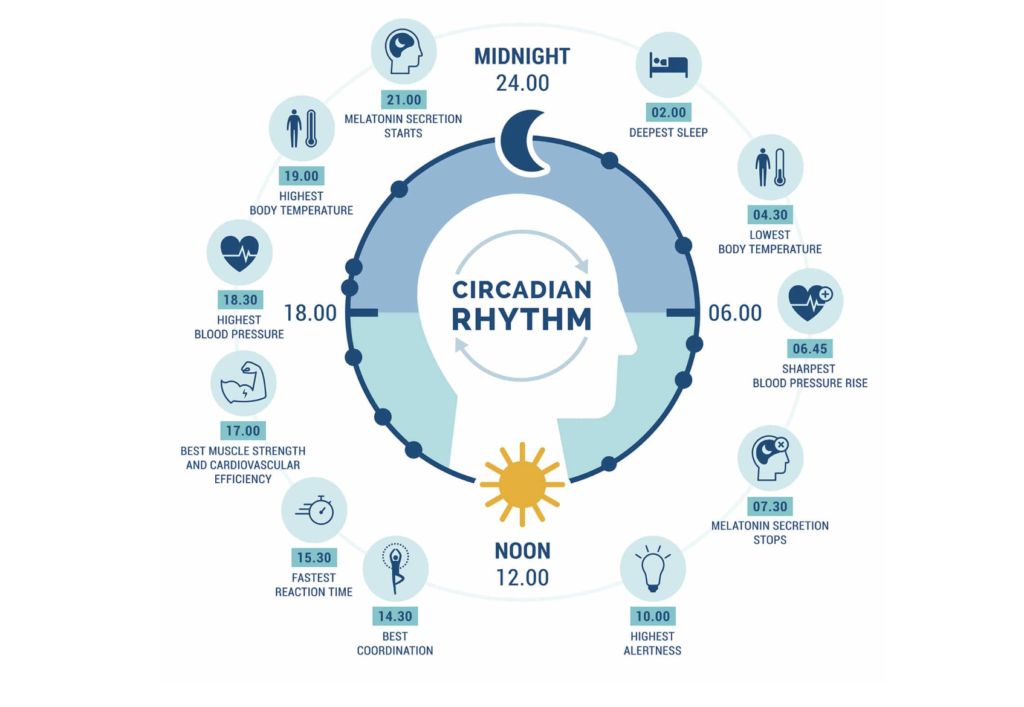
Make friends with your biorhythms
Suppose you live in harmony with your biological clock. In that case, you will likely be productive at work, get a good night’s sleep, not overeat, and be emotionally stable.
Depending on the time of day, our mental and physical performance changes. Inconsistency of the mode of these activities with the body’s needs causes somatic or bodily and mental illnesses, which begin with irritability. Mastering the skill of planning your work affairs according to daily rhythms can dramatically increase your productivity and efficiency.

Also, you should not artificially energize yourself at inappropriate times. If you give your cells energy at the wrong time — eating late or exercising vigorously in the evening — you can also throw off the established cycle. A mismatch of circadian rhythms leads to sleep disturbances, apathy, fatigue, depressive states, and a critical drop in performance.
Experts in women biohacking give several recommendations in terms of the distribution of activities during the day:
- According to the scientific research, the most active time for our skin is evening and nighttime. That’s why you should keep an eye on your evening skin routine more. As the research says, topical treatment results could increase due to it. As an extra tip, try to plan your skin procedures such as face masks or cosmetologist sessions also in the evening.
- Fitness classes can be held either in the evening or during the day. It all depends on the desired results. As researchers said, morning workouts for women help lose abdominal fat and lower blood pressure. Evening workouts, on the other hand, help increase upper-body muscle strength and overall strength..

- While evening snacks aren’t a death sentence, it’s still best to wait four hours before bedtime to have your last meal. In the evening, insulin sensitivity decreases, and the body switches to energy-saving mode. This can reduce the oxidation rate of ingested nutrients. Therefore, eating before bed can lead to increased fat storage.
Take care of your melatonin
Melatonin is a crucial hormone. When produced at the right time and in the correct quantity, it helps regulate circadian rhythms. It exhibits antioxidant, anti-inflammatory, pain-relieving, and anti-cancer properties. This is also due to the nighttime “rejuvenation” of cells, for which it is called the “hormone of youth.”
However, the production of melatonin is very easy to disrupt. “Contributes” to this improper daily regimen, late going to bed, sleeping with the lights on, an abundance of gadgets in the evening, strong emotions, and so on. The higher the level of melatonin, the lower the level of cortisol, and vice versa. A side effect is an increase in the level of the hormone ghrelin, which increases appetite.
It is also important to eat enough food rich in tryptophan – an essential amino acid that improves falling asleep and increases the duration and quality of sleep. Its sources are nuts and seeds, soy, fatty fish and seafood, mushrooms, andeggs. Just 25-50 g of cheese or 100 g of meat covers 100% of our daily requirement for tryptophan.
Recent studies show that women are more morning-oriented and active than men. Furthermore, blue light from screens also has a greater impact on them and impairs melatonin production. Therefore, it’s important to protect your body in the evening. Here are a few tips you may find useful:
- Try using special glasses that block blue light from screens.
- Try to dim the lighting in your room.
- Use bedside lamps instead of ambient lighting.
- Stop using any gadgets an hour and a half before bed.
Fight stress
Stress is a clear destroyer of cellular health and youthfulness. Constant stress triggers the production of two hormones, adrenaline and cortisol. When levels are constantly elevated, they wreak havoc on the psyche and the body. Cortisol is a marker of old age. That’s what we need to hack/hack, or rather figure out how to bring cortisol levels back to normal.
High levels of adrenaline provoke the formation of chronic fatigue syndrome. Strength does not appear even after rest. The behavior of an “adrenaline” woman is characterized by abrupt mood changes, a tendency to irritability, and frequent colds. Elevated cortisol slows metabolism and causes an indomitable appetite. High cortisol is one of the causes of weight gain. Diets can cause additional irritability, leading to breakdowns and a new round of pound gain. Cortisol is a precursor to depression, which starts with apathy and decreased motivation to do anything at all and change things in your life.
Physical activity, meditation, walking, and relaxation practices help reduce these hormones’ production.

Add joy hormones
Oxytocin, serotonin, and endorphins help keep you young and beautiful. It is important to stimulate the production of these hormones.
You can increase the production of endorphins right now by thinking about pleasant things and dreaming. Smile and laugh, even if you don’t feel like it – the body reads our actions, even if not supported by emotions, and mechanically releases hormones. Read funny books, watch comedies, and turn off the TV when the news is on, especially if you are going to eat or go to bed. And, of course, exercise, ideally jogging outside. You can buy yourself an aroma lamp and essential oils (any pleasant for you personally) – odors help to produce endorphins, but vanilla, lavender, and orange are especially famous for this. Delicious food also helps to get hormones of happiness, and the leader of benefits is bitter chocolate and spicy food. But the most effective way to get endorphins in full and even more is to love, be loved, and have sex.
Biohacking According to Your Period
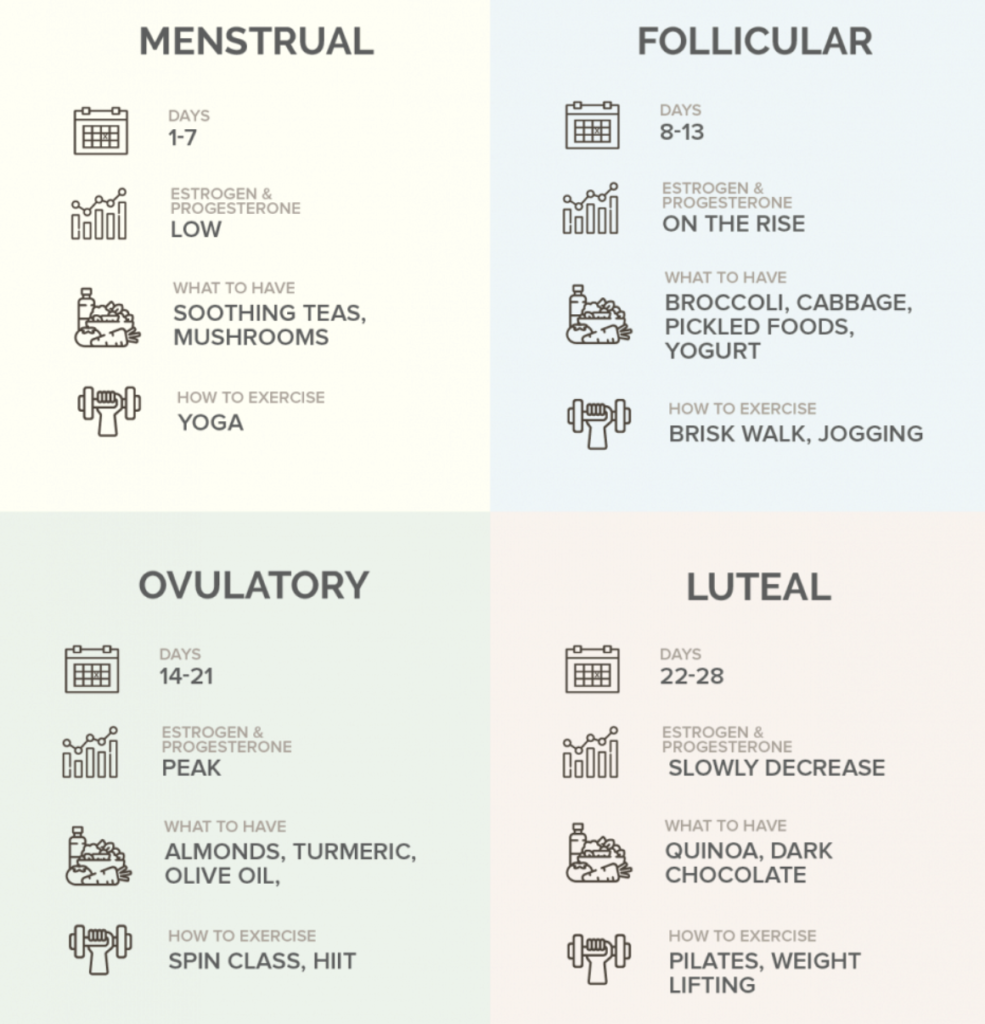
Men have a 24-hour hormonal cycle, and women have an additional 23-35-day infradian cycle. This refers to the monthly hormonal cycle experienced by the female body in preparation for potential pregnancy, such as the menstrual cycle. It is recognized as an essential indicator of a woman’s overall health and is designated as the fifth vital sign.
This natural 28-day cycle significantly influences women’s hormonal balance, energy levels, and metabolic processes. Understanding and embracing this rhythm can unlock personalized insights for better health and wellness outcomes.
Biohacking the menstrual cycle involves implementing strategies and practices to optimize various aspects of health and well-being based on the different stages of the cycle. Here are some general guidelines on how biohacking should work by the menstrual cycle.
Exercise
Exercising according to the menstrual cycle involves adapting your workout to the different stages of your cycle. Here are some general recommendations to consider.
- Menstruation phase: During the first few days of your period, you may experience lower energy levels and discomfort. Listen to your body and engage in gentle exercises that promote blood flow and relieve cramps, such as walking, light yoga, or stretching. Avoid high-intensity or strenuous workouts if you don’t feel up to it.
- Follicular phase: As your energy levels increase, you can gradually incorporate more challenging workouts. Focus on cardiovascular exercises such as running, cycling, or strength training to take advantage of the increase in estrogen levels, which can boost endurance and performance. In addition, incorporate strength training exercises to build muscle mass and support your overall fitness goals.
- The ovulation phase is characterized by increased energy, endurance, and coordination. Take advantage of these peak physical abilities and participate in more intense workouts, such as HIIT (high-intensity interval training) or circuit training. You can also try activities that require balance and agility, such as dancing or kickboxing.
- Luteal phase: As progesterone levels rise, you may experience decreased energy levels. Choose stress-reducing and relaxing exercises such as yoga, Pilates, or tai chi. Light to moderate aerobic activities such as brisk walking or swimming can help you stay in shape without putting too much strain on your body.
It is essential to listen to your body throughout your cycle and adjust your workouts accordingly. Stay hydrated, pay attention to pain or discomfort, and prioritize rest and recovery when necessary. Remember that everyone’s cycle and response to exercise can vary, so it is important to find what works best for you. Consulting with a healthcare professional or qualified fitness instructor can provide personalized guidance on physical activity by your menstrual cycle.
Nutrition
Eating by your menstrual cycle involves adjusting your diet to support hormonal changes and nutritional needs at different cycle stages. Research suggests that certain supplements can help you feel better during your period and reduce pain. Although individual needs may vary, here are some general guidelines to consider:
- Menstruation phase: During your period, you may experience increased iron loss. Eat iron-rich foods such as grass-fed beef, organ meats, poultry, fish, legumes, and leafy green vegetables to replenish your iron levels. Include foods high in vitamin C to enhance iron absorption. Also, prioritize foods rich in omega-3 fatty acids, such as fatty fish, flax seeds, walnuts, and avocados, which can help reduce inflammation and ease menstrual symptoms.
- Follicular phase: As your energy levels increase, you can incorporate a well-balanced diet that includes a variety of fruits, vegetables, whole grains, muscle proteins, and healthy fats. To support hormone regulation, consider adding foods rich in B vitamins (such as eggs, whole grains, and leafy greens). Focus on including foods rich in antioxidants, such as berries, tomatoes, and colorful vegetables, to support overall health and immune function.
- Ovulation phase: During this phase, focus on foods that support reproductive health and egg quality. Include sources of vitamin E (such as almonds, spinach, and sunflower seeds) and foods rich in antioxidants (such as berries and dark chocolate). Also, consider including foods that support cervical mucus production, such as flaxseed and evening primrose oil, or foods rich in healthy fats, such as avocados and olive oil.
- Luteal phase: As progesterone levels rise, you may experience increased cravings and mood swings. Prioritize a balanced diet with complex carbohydrates, muscle proteins, and healthy fats to help stabilize blood sugar levels and promote mood. Include foods rich in magnesium (such as leafy greens, nuts, and seeds), and treat yourself to dark chocolate (70% cocoa or higher) to help reduce menstrual cramps and promote relaxation. Also, include foods high in fiber to support healthy digestion.
Biohacking Tips to Reduce Menstrual Pain
Sometimes period pain is very distracting from normal life. It causes low activity and energy. Not to forget how much painkillers you have to take to feel better. That’s why there are a few tips you can try. They’ll help you get through the first few days of the cycle more calmly and allow you to carry on with the daily routine. A systematic review and Bayesian network meta-analysis showed that several non-pharmacological methods proved to be the most effective options:
- Physical activity.
- Acupuncture.
- Herbs – ginger, cinnamon, fennel. These can be consumed, for example, as tea.
- Topical heat. For example, you can place a hot water bottle on your lower abdomen.
- Transcutaneous Electrical Nerve Stimulation.
- Aromatherapy
- Acupressure
- Yoga
You can try different methods to see which one works best for you. It is not advisable to try everything at once during a single cycle, as this may put your body under stress. It is therefore better to experiment carefully.
Biohacking Diet for Women
The main principle of the biohacking diet for women is to provide your body with adequate amounts of vitamins and minerals to create a balance of protein, fat, and carbohydrates (P/F/C). This helps your body to function efficiently. Maximum guarantees a constant energy level and optimal daily metabolism.
An essential part of this process is focusing on high-quality nutrients. Opt for avocados and the healthy fats in lean protein sources like chicken or fish to help maintain hormonal balance and improve overall health. When talking about carbohydrates, choose a complex, slow-acting option instead. This will stabilize blood sugar levels and give a satisfying and long-lasting feeling of fullness.
The women’s biohacking weight loss program focuses specifically on the nuances of hormonal cycles too.
We are glad to offer you an example of meals for 5 working days from our experts, considering the principles of the biohacking diet for women. The meals are balanced regarding B/F/W and include essential vitamins and minerals.
Day 1
- Breakfast: Two-egg omelet with avocado and greens (300 kcal)
- Snack: Greek yogurt with berries (150 kcal)
- Lunch: Grilled chicken breast with quinoa and spinach salad (450 kcal)
- Snack: Nuts (30 g) (200 kcal)
- Dinner: Steamed salmon with vegetables (broccoli and carrots) (400 kcal)
Day 2
- Breakfast: Oatmeal with almond milk with banana and nuts (350 kcal)
- Snack: Apple with peanut butter (150 kcal)
- Lunch: Salad with tuna, avocado, egg, and olive oil (400 kcal)
- Snack: Carrots with hummus (100 kcal)
- Dinner: Chicken filet baked with vegetables (zucchini, peppers) (450 kcal)
Day 3
- Breakfast: Berry, spinach, protein and almond milk smoothie (300 kcal)
- Snack: A handful of almonds (30 g) (170 kcal)
- Lunch: Salad with chicken, quinoa, avocado and green beans (450 kcal)
- Snack: Pear (80 kcal)
- Dinner: Cod baked with lemon and vegetables (400 kcal)
Day 4
- Breakfast: Yogurt with chia seeds, honey and berries (300 kcal)
- Snack: Celery with hummus (100 kcal)
- Lunch: Baked turkey with pumpkin puree and spinach salad (450 kcal)
- Snack: Dried fruits (30 g) (150 kcal)
- Dinner: Grilled omega-3 fish (trout) with asparagus (400 kcal)
Day 5
- Breakfast: Whole grain toast with avocado, poached egg and tomatoes (350 kcal)
- Snack: Fruit and vegetable smoothie (200 kcal)
- Lunch: Salad with quinoa, chicken, fresh vegetables and olive oil (450 kcal)
- Snack: Berry mix (100 kcal)
- Dinner: Shrimp with garlic, avocado and cucumber salad (400 kcal)
Best Supplements For Women
Dietary supplements (biologically active supplements or nutraceuticals) contain biologically active substances and are used to supplement the diet. The key word in the abbreviation is “supplements.”
It is important to understand that nutraceuticals cannot replace a full intake of nutrients (proteins, fats, carbohydrates, vitamins, or minerals) if you have a “poor” (unbalanced) diet. However, when combined with a healthy (balanced) diet, dietary supplements can be beneficial and prevent the development of diseases.
Nutraceuticals work in tandem with food. Therefore, the first rule of taking dietary supplements is to eat a healthy diet and then take supplements only. They should be taken according to the instructions and on the recommendation of a doctor, who, considering your health situation, will recommend the optimal dosage for each supplement. Suppose you have never taken dietary supplements before. In that case, it is worth making an appointment with your doctor to discuss the use of nutraceuticals.
In most countries, dietary supplements belong to the “food additives” group rather than medicines, meaning clinical trials are not required for their registration and sale. However, there are countries whose legislation requires clinical trials of dietary supplements. For example, Health Canada requires scientific evidence of the safety and efficacy of nutritional supplements before they are allowed to enter the market. Evidence of safety may include clinical studies (mainly if the product contains new or insufficiently studied ingredients). In Australia, the Therapeutic Goods Administration (TGA) classifies some dietary supplements as “complementary medicines.” These may require Clinical trials, especially if specific therapeutic properties are claimed. Therefore, if you are looking for a nutraceutical that has undergone clinical trials, I recommend paying attention to products available in the Canadian and Australian markets.
In Europe, the European Food Safety Authority (EFSA) and the US Food and Drug Administration (FDA) do not require mandatory clinical trials for dietary supplements.
Magnesium
Magnesium ranks first among dietary supplements for maintaining health, as this mineral is essential and participates in many biochemical reactions. Magnesium comes in various forms and is vital for the functioning of the nervous system. For relaxation before bedtime, it is worth choosing the optimal one to avoid problems with the gastrointestinal tract.
Vitamins D3 and K2
Next on my list are vitamins D3 and K2. Ukraine is located in a region that does not have enough sunny days for the body to synthesize vitamin D3 in the necessary amounts on its own, so it is essential to take it in winter at a therapeutic dose of 1000-2000 IU per day.
Omega-3 fatty acids
Omega acids are necessary for the functioning of the cardiovascular system. When choosing a dietary supplement, it is important to check that it contains EPA and DHA fatty acids. A systematic literature review with meta-analysis shows that omega-3 supplements may also be helpful in treating dysmenorrhea (painful periods). Research shows that taking 300-1800 mg daily for 2-4 months helps reduce pain and the need for painkillers. The total dose should not exceed 2000 mg of EPA per day. EPA has anti-inflammatory properties, lowers triglyceride levels, and increases blood vessel elasticity.
Glycine
Glycine is an amino acid that acts as a neurotransmitter in the central nervous system. It has an inhibitory function, reducing the activity of neurons and promoting calmness, which relaxes and can improve sleep quality, particularly by reducing the time it takes to fall asleep and increasing the depth of sleep. Studies show that taking two to four grams of glycine before bedtime makes it easier to fall asleep and reduces morning sleepiness.
Coenzyme Q10
Coenzyme Q10 is a protein found in mitochondrial membranes that is involved in the transfer of electrons for the synthesis of ATP (adenosine triphosphate, which plays a key role in energy metabolism in the cells of living organisms). If there is not enough Q10 in the body, ATP synthesis will be disrupted, leading to constant fatigue.
Methylfolate (the active form of folic acid)
It lowers homocysteine levels, which improves blood vessel health and placental blood flow. This reduces the risk of complications during pregnancy (preeclampsia, placental abnormalities, and miscarriage) and also promotes proper embryo development.
Collagen + vitamin C
Collagen is a key protein that supports skin, connective tissue, and joint health. Vitamin C promotes collagen synthesis and increases its bioavailability, which helps restore tissue after physical exertion.
Skin & Beauty Biohacks
Skin & Hair Care Routine
A consistent and well-chosen skin and hair care routine is the foundation of long-term beauty and health. Clean, non-toxic products that support the skin’s natural barrier and scalp microbiome can help reduce inflammation, balance oil production, and prevent premature aging. Incorporating antioxidants, adaptogens, and nourishing oils can enhance cellular regeneration and improve overall texture and glow.

For hair, supporting growth and shine goes beyond shampoos – it includes scalp health, circulation, and internal nutrition. Look for products with ingredients like biotin, rosemary oil, and peptides, and avoid sulfates and silicones that can clog follicles or dry out the scalp.
Face Massage
Facial massage is a powerful, noninvasive technique for boosting circulation, releasing muscle tension, and stimulating lymphatic drainage. Regular practice can reduce puffiness, improve skin tone, and give the skin a natural lift – without needles or invasive treatments.
Whether using your hands, gua sha tools, or rollers, even a few minutes daily can enhance nutrient delivery to skin cells, encourage collagen production, and contribute to a more sculpted and relaxed appearance.
Red Light Therapy
Red light therapy (RLT) is a cutting-edge biohack backed by science. It uses low-level wavelengths of red and near-infrared light to penetrate the skin and energize cells, boosting collagen synthesis, reducing inflammation, and accelerating tissue repair. The result is fewer fine lines, faster healing, and a smoother, more even complexion.
Used regularly, RLT can also benefit scalp health and hair growth by stimulating follicles and increasing blood flow. It’s a safe, non-invasive option to enhance skin vitality at the cellular level.
Our expert’s tips
So, what are the other biohacking tips for women?
- Sync your diet with your cycle. For example, you can increase iron-rich foods during your period and opt for anti-inflammatory foods during the luteal phase.
- Manage stress with adaptogens: You can use different adaptogenic herbs like ashwagandha or Rhodiola to help balance cortisol levels, especially during high-stress periods in your cycle.
- Intermittent fasting adaptation: Women may benefit from shorter fasting windows or fasting during specific cycle phases to prevent hormonal imbalances and support metabolism.
- Attend thematic conferences, such as the Biohackers World Conference. Even if you don’t pay attention to the speakers, you can usually get a lot of useful information and contacts at such conferences from the community.
Apps and Gadgets for Female Biohackers
Biohacking is more effective when supported by smart technology. For women, there are now countless tools created specifically to track cycles, optimize performance, manage stress, and improve overall well-being. Below are two curated lists – one for apps and one for physical gadgets – tailored to the needs of female biohackers.
Must-Have Apps
- Clue – a science-backed period and ovulation tracker that helps you understand hormonal patterns, predict symptoms, and plan around your cycle.
- MyFlo – offers personalized advice for syncing your diet, workouts, and work schedule with each menstrual cycle phase.
- Oura – paired with the Oura Ring, this app provides deep insights into sleep quality, recovery, stress, and overall readiness with women-specific data interpretation.
- Happify – a mental wellness app using science-based activities to reduce stress and build emotional resilience – perfect for balancing biohacking with daily life.
- Natural Cycles – the first FDA-cleared birth control app, which uses your temperature and cycle data to predict fertile days without hormones.
Biohacking Gadgets
- Oura Ring – a sleek, smart ring that tracks sleep, HRV, temperature, and recovery – highly valuable for optimizing hormonal health and rest.
- Thermotex Infrared Heating Pad – uses far-infrared light to relieve menstrual cramps, improve circulation, and support muscle recovery.
- Sensate – a vagus nerve-stimulating device worn on the chest, designed to reduce stress and anxiety and support deep relaxation through sound and vibration.
- Lumen – a portable metabolic tracker that analyzes your breath to determine whether you’re burning fat or carbs, helping you tailor nutrition and fasting.
- Red Light Therapy Mask – a facial device delivering red and near-infrared light to improve skin tone, reduce inflammation, and support collagen production.
Biohack like a woman book
Aggie Lal’s book Biohacking For Women explores this concept, emphasizing the importance of understanding and working with this rhythm. Instead of promoting calorie counting or restrictive diets, Lal highlights how aligning daily habits with the infradian cycle can lead to better results. The book delves into how factors such as meal timing, exercise routines, and sleep quality can be fine-tuned when women pay attention to their hormonal changes. Emphasizing hormonal balance over rigid dieting provides women a holistic path to improving their health. It encourages listening to the body’s natural rhythms to develop a personalized and sustainable approach to biohacking explicitly tailored for women.
for subscribing!