


Practical Guide To Organic Food
Modern supermarket shelves are overflowing with craft, natural, organic, and farm products. Our experts found out what makes organic products special, how their prices are set, and whether they are really healthier.
Highlights
- Organic food is grown without synthetic chemicals or GMOs
- Only certified products can legally use “organic” on their label.
- Organic food contains fewer pesticide residues than regular food.
- Some organic food may taste better due to natural ripening.
- Organic doesn’t always mean more nutritious or 100% pesticide-free.

Contents
What Does Mean Organic Food
Organic food is food that is grown without the use of synthetic fertilizers, pesticides, genetically modified organisms (GMOs), and other artificial additives. In animal husbandry, organic certification requires that animals be raised without the use of antibiotics and growth hormones, be fed organic feed, and have more space to move around.
At the legislative level, organic food production is certified according to specific standards that vary by country and region. For example, the EU and the US have different requirements for the use of fertilizers, pesticides, and processing methods, which can significantly impact product properties. Organic production includes:
- crop production (including seed production and nursery production);
- animal husbandry (including poultry farming and beekeeping);
- mushroom cultivation (including organic yeast cultivation);
- aquaculture (cultivation of edible aquatic organisms);
- seaweed production;
- food production;
- feed production;
- plant harvesting.


Products that have not been certified and do not have documentary evidence of compliance with the requirements of organic production legislation may not use the words “organic,” “bio,” or “eco” in their names.
Craft products are pretty common in retail chains. According to experts, these are products manufactured by small businesses using proprietary technology. Sometimes, these are handmade products manufactured in small batches from natural ingredients. In particular, sheep’s cheese produced by a small farm may well be considered a craft product, as it is made using proprietary technology. The process involves exclusively manual labor, and all ingredients are natural. This means that they are produced in natural conditions without the use of flavor enhancers or chemical additives.
However, we cannot equate organic and natural products. After all, natural products do not undergo any certification, just like craft products. As for farm products, this name is a sign of a form of entrepreneurial activity in the production of agricultural products, which differs from industrially oriented facilities (agrarian enterprises). Farm products can be produced using various technologies, including intensive, extensive, organic, biological, and integrated methods. Only the presence of a certificate and appropriate labeling confirms the organic status of a product.
What are Organic Supplements
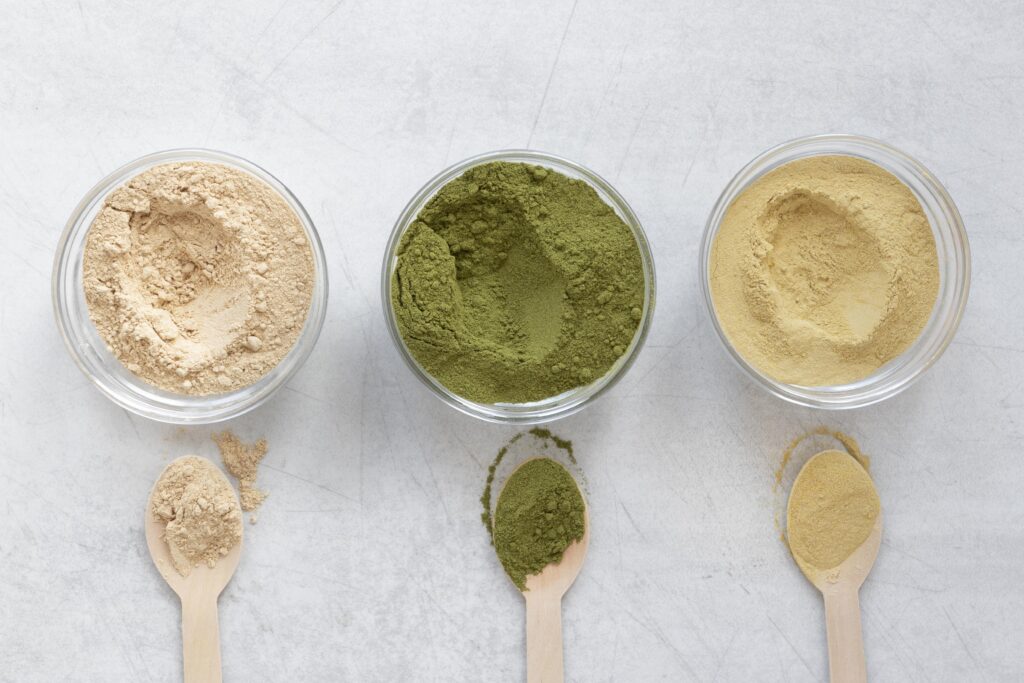
Organic supplements are dietary supplements made from ingredients grown and processed without synthetic fertilizers, pesticides, or GMOs. They are derived from natural sources like plants, herbs, or animal products, focusing on whole food sources rather than isolated nutrients. This means they often offer a wider range of beneficial compounds found naturally in whole foods. In the US, the USDA National Organic Program (NOP) regulates organic certification. Products bearing the USDA organic seal must meet strict standards, including containing at least 95% organic ingredients. Many people choose organic supplements for their potential health benefits, including reduced exposure to toxins and a more natural approach to supplementation. Examples of organic supplements include organic spirulina, ashwagandha, turmeric, wheatgrass, and maca root.
The Benefits of an Organic Diet
- Reduced risk of pesticide residues. One of the main arguments in favor of organic food is that it contains fewer residues of chemicals used in agriculture. Pesticide residues in food can affect the endocrine system, cause allergic reactions, and have carcinogenic properties with prolonged use. Organic products are grown using natural plant protection methods, such as beneficial insects or biological fertilizers.
- Improved animal welfare. Organic livestock farming offers superior conditions for livestock, prioritizing their physical and psychological well-being. Animals have access to open space, which not only improves their physical activity but also promotes natural behavior and reduces stress levels. In such conditions, animals receive high-quality feed that is grown without synthetic additives. Organic farms also practice more humane care methods that meet high ethical standards.
- Promoting ecology. Organic farming avoids the use of synthetic chemicals, which reduces soil and water pollution. The use of compost and other natural methods supports biodiversity and preserves soil fertility.
- Better taste. Some consumers claim that certified organic food tastes better due to traditional growing methods that help preserve the natural properties of the products. For example, fruits and vegetables often ripen on the plant rather than during transport, allowing them to develop more natural flavor and sweetness. In addition, the absence of artificial fertilizers and pesticides can have a positive effect on taste, giving products a natural and rich flavor.
What Organic Food Is Not
It seems that when you eat a banana with an “ECO” label, you immediately feel thousands of nutrients spreading throughout your body. A regular banana will not give you as many benefits. But when it comes to nutritional value, non-organic products sometimes even outperform organic ones. After all, regular rice often has added beta-carotene, milk is enriched with vitamin D, and fruit juices with calcium. Adding anything to organic products is strictly prohibited. The likelihood of pesticides being present in organic products, which are significantly more expensive than non-organic ones, is 30% lower than in non-organic products. But they are still there. The same goes for GMOs. After all, residues of these “bad” substances can be found in seeds, get onto fruit or vegetables with rain, or in some other way. The amount of pathogenic microflora in “organic” products can be the same as in “non-organic” products. Although the integrity of entrepreneurs must also be taken into account. That is, you are more likely to catch E. coli from organic products.
How to Find Organic Food

To find organic products, look for the “organic” label and check that the manufacturer has a certificate. You can also check the manufacturer in the State Register of Organic Product Manufacturers or on the certification body’s website.
Here are a few ways to find organic products:
- Check the label: Look for the “organic” symbol on the packaging (usually a white leaf on a green background).
- Pay attention to the manufacturer information: Check that the product name and manufacturer on the packaging match the information on the certificate.
- Check for a certificate: Make sure the certificate is valid and the product is included in the State Register of Organic Operators.
- Visit specialty stores: Organic products are often sold in stores specializing in environmentally friendly products.
- Visit farmers’ markets: Ask farmers if they have organic products and ask to see their certificates.
- Use online resources: Some websites and apps allow you to search for organic products and farms nearby.
- It is essential to remember that the manufacturer must be certified as organic and not simply use the term “organic” on the packaging without verification.
- Organic products are usually more expensive than conventional products due to higher production costs.
- Signs of unscrupulous manufacturers: No certificate, but use of the “organic” label.
- Certification for one type of product, but “organic” labeling on the entire line.
- Expired certification.
Remember that organic products are not just a label, but also compliance with specific production standards that guarantee the absence of pesticides, GMOs, and other harmful substances.
How to Start an Organic Diet
An organic diet will have a beneficial effect on overall human health because it will replenish the body with essential vitamins such as E, C, unsaturated fatty acids, beta-carotene, and alpha-linoleic acid.
Organic food is grown without the use of any chemical interventions. This means one thing: the body will not suffer from the negative effects of harmful compounds. It is entirely safe.
Organic food has ideal nutritional and dietary properties, which cannot be said about conventional products rich in dyes, preservatives, and agrochemical additives.
Followers of this diet can eat meat from animals raised humanely and even semi-finished products made from organic ingredients. Numerous studies have shown that organic fruits and vegetables contain significantly more nutrients than those grown using standard methods. Organic meat and dairy products are also rich in omega-3 fatty acids.
This diet will help you achieve your ideal body shape. It is worth noting that there are no strict requirements in terms of time or the amount of specific products consumed.
To stay healthy, follow these rules:
- Drink at least 1.5 liters of clean water every day.
- Say a firm “no” to products with synthetic additives.
- Store or reheat food in ceramic, paper, or glass containers. Plastic bags and containers are out, because even eco-friendly, healthy food can turn into a “chemical bomb” in these containers, soaking up all the harmful compounds.
- Fruits, veggies, and grains should be washed under running water.
- If you are preparing broth using products that may contain harmful compounds, the first portion must be discarded.
- Not only should you drink purified water, but you should also use it to prepare your meals. Tap water is rich in heavy metals and other harmful components. Therefore, water must be filtered.
- Long-term storage of products is accompanied by a significant accumulation of preservatives. No canned food, sausages, or milk with a long shelf life. Remember, healthy and proper dairy products should not have a shelf life of more than one week.
- Do not rush to eat raw fruits and vegetables. First, they should be boiled or steamed. This will help destroy toxic compounds under the influence of temperature. Accordingly, broths with sauces made from greenhouse vegetables are taboo.
- The main amount of pesticides is concentrated in the peel, so it must be removed. This is especially true when you are unsure about the usefulness of a particular vegetable.
- All nutritionists agree that fat should be removed from poultry, meat, and fish to reduce the calorie content of the dish, as well as cholesterol. The same applies to an organic diet, but in this case, the goal is different — to protect yourself from the shock dose of chemicals present in fat.
- Grains should be washed at least six times and only then soaked overnight, using filtered water exclusively. In the morning, the grains will need to be washed again.
- A plant based organic diet also involves consuming large amounts of fruits and vegetables rich in minerals and vitamins. And it won’t take you long to prepare an organic meal plan. And culinary delights will fill your body with goodness and help you overcome various ailments.
There are no forbidden foods in an organic diet. Everyone decides for themselves how much organic food to include in their diet. You can eat mainly organic food and at the same time a small amount of food grown using standard methods.
Organic Food Grocery List
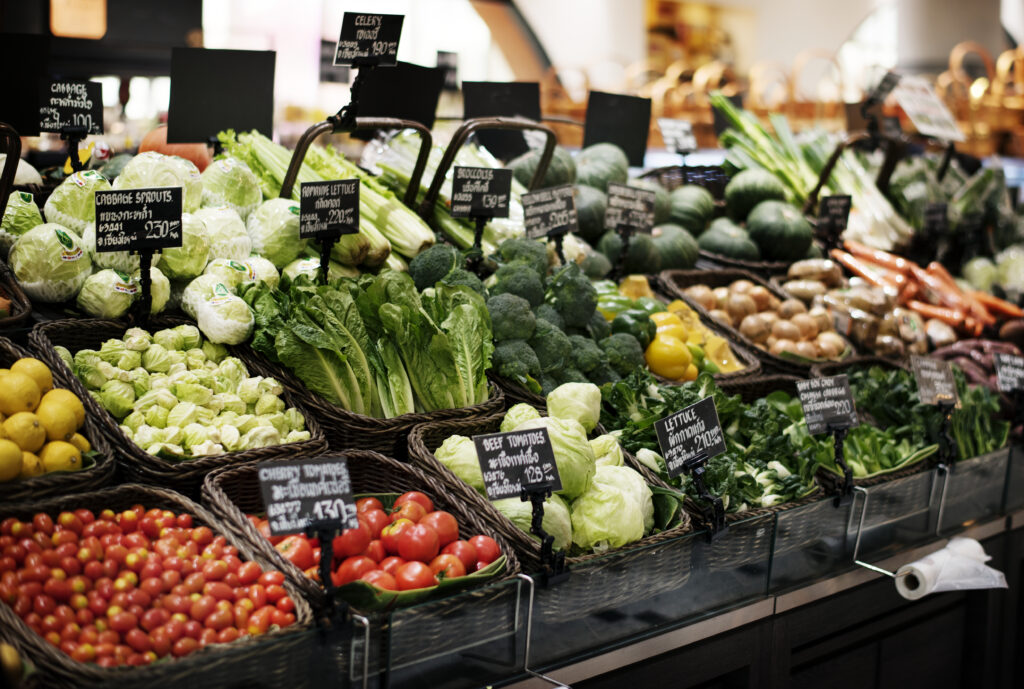
The most logical way to eat only environmentally friendly products is to grow them yourself. Even if you don’t have a summer cottage, you can almost always grow greens on your windowsill. If you are the lucky owner of private property in the suburbs, don’t be lazy to set up a couple of garden beds and a greenhouse.
Suppose you are unable to grow organic products yourself. In that case, it is best to familiarize yourself with the information below before making a purchase. So, which products should you not skimp on?
Strawberries
Strawberries are easy to grow, but because their season is so short, they are quite expensive. That is why many people grow this berry on an industrial scale to sell it at a higher price in winter. Unfortunately, this berry readily absorbs pesticides and other harmful substances that producers do not hesitate to use. Therefore, you should only buy strawberries if you are confident in the producer. If you are buying berries out of season, we recommend buying frozen strawberries.

Tomatoes
Tomatoes have fragile skin, so they are extremely susceptible to substances that come into contact with their surface. This property is also characteristic of other similar vegetables, berries, and fruits, so it is strongly recommended to buy tomatoes, potatoes, etc., only from reliable producers.
Lettuce
The undisputed leader in absorbing harmful substances. Considering that lettuce is regarded as one of the most beneficial foods for the body and is used in the preparation of a wide variety of dishes, it is not worth skimping on it. Choose only lettuce labeled “organic.”
Bananas
Even though bananas do not grow in our latitudes, this fruit is no longer considered exotic. The popularity of bananas is due to their long shelf life and ability to ripen during transportation. However, this widespread love has led to the increasing appearance of genetically modified fruits on the market, as well as those grown with the use of pesticides. Therefore, you should be extremely careful when buying, especially if you are going to feed these bananas to a child.
Corn
Strangely enough, this fruit is very similar to bananas in terms of mass consumption. The only difference is that corn most often ends up on our table, not in its pure form, but as part of other products. It is used to make starch, added to preserves and semi-finished products, and used in the production of syrups. Therefore, it is pretty obvious that producers are tempted to grow corn in huge quantities and with the use of chemicals. So, try not only to check the corn itself when buying, but also to exclude from your diet all questionable products that may contain it.
If you buy organic products, try to choose seasonal vegetables and fruits first. We also recommend buying frozen vegetables, berries, and fruits, as they are harvested in season and all their beneficial properties are preserved thanks to flash freezing. In both cases, you can be sure that the products are not treated with special agents for longer storage.
Dairy products
Organic milk, yogurt, kefir, cottage cheese, cheese — whenever possible, choose the best quality from trusted manufacturers. There, you can be sure of the ingredients in dairy products and avoid poisoning, stomach problems, and allergies.
Conclusion
Organic food is often associated with high quality, a healthy lifestyle, and environmental awareness. However, it also comes with a higher price tag, which is not always justified by its actual benefits. The nutritional value of organic food and conventional products is often almost identical, and health benefits usually depend on a person’s overall diet rather than just the source of the food.
Organic food has both advantages and disadvantages. It may indeed be more environmentally friendly and safer in certain respects. Still, there is insufficient concrete evidence of its significant advantage over conventional products.
It is important to make mindful choices based on your own needs, budget, and beliefs. Organic food can be part of a healthy diet, but it is not the only path to a healthy lifestyle.
for subscribing!