


The Biohacker’s Guide to Sustainable Nutrition
Every year, society tries to become more conscious about consumption. This concerns all areas of our lives: clothing, electricity, and water consumption. Food is no exception as it is one of our essentials. Sustainable nutrition for biohackers is a nutrition system that consists of conscious consumption of products and lifestyle changes in a healthier and more productive direction.
It includes different aspects and understanding of where your food comes from and how it ends up on the table. In addition, an important element of the philosophy is the environmental friendliness of this approach. Our experts analyzed the information on this topic and selected the most essential points to provide you with an answer: what sustainable nutrition is and why it’s worth adopting this philosophy. In this article, we will explore how nutrition affects the body and the environment, discuss suitable diets, and provide guidance on starting a sustainable nutrition path for biohackers.
Highlights
- Sustainable nutrition is based on supporting your health and the planet.
- Eat seasonal and local foods to cut your carbon footprint.
- Planning your meals helps reduce food waste and save money.
- Portion control is key to avoiding overeating and food waste.
- Eco-friendly eating starts with small steps and smart choices.

Contents
Why Trust Us?
What is Sustainable Nutrition?
Sustainable nutrition is a way of eating that aims to get everything you need from food without depleting natural resources and leaving a minimum amount of waste from consumption. In this version, a person becomes part of the world’s ecosystem and approaches every step consciously. You choose seasonal products and food upcycling.
Make sure that they are grown ecologically, and try to take them in recycled packaging. The environmental friendliness of consumption is preserved, and in the future, our descendants will not have a difficult choice between cutting back on their food and the problem of ecology.
This strategy considers all the features of the human body, avoids limiting healthy product consumption, and focuses on local produce, as its delivery is more environmentally friendly and often yields greater benefits.
At the same time, such a nutrition system can be adapted to yourself – it does not require strict dietary rules. Such a scheme takes into account the entire production cycle. It considers how this product will be delivered to your table, its cultivation process, and the real benefits it will have for your body.
How Sustainable Nutrition Supports the SDGs
The United Nations Sustainable Development Goals are focusing on a balance between our wellness and the planet’s survival. Sustainable nutrition supports at least seven of these goals:
- Fight against hunger.
- improving health.
- development of responsible consumption.
- slowing down climate change.


By choosing local and plant-based products, we reduce our carbon footprint and water consumption. We also support fair labour conditions in the agricultural industry.
Food waste is also an important point in the sustainable nutrition system. When we plan our purchases and use the leftovers, we not only save money but also reduce the load on landfills. Our eating habits are part of global processes. By prioritizing local farmers and seasonal products, we can support the local economy and farming sector.
Why Does Sustainable Nutrition Matter?
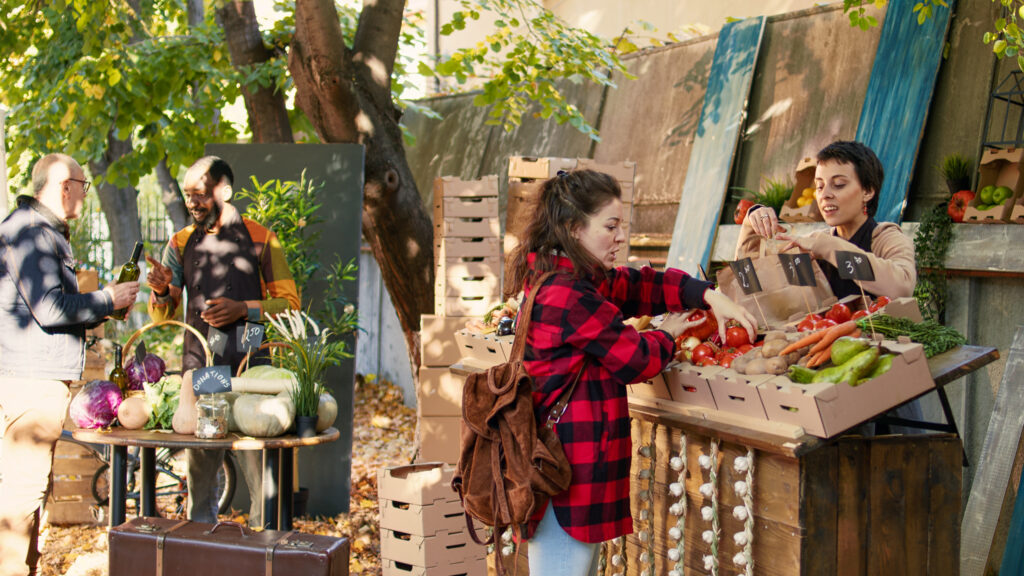
The modern market is full of processed products containing large amounts of salt, sugar, and trans fats. These products do not saturate and can harm your health, but this is not their only disadvantage. Resources of water, land, and energy are limited for its production, resulting in a significant environmental footprint. Private farms, although more expensive for the buyer, are still healthier and more conscious about their output. They are also making eco-friendly foods. This is a win-win for both your health and nature.
Principles of Sustainable Nutrition
There are several key principles on which a sustainable food system is built: variety, balance, moderation, and environmental responsibility. Thanks to them, you can make a diet with the most environmentally friendly approach to both the world and your own body. What is good is that these rules can be applied both individually for yourself and for public catering.
Diet Diversity
It will come as no surprise that the diet should be varied and include vegetables, fruits, grains, nuts, dairy, and protein products. It is good for our brain and stomach to have a variety of food. But this is not the only advantage of your colourful plate. When you eat the same foods, the soil on which this or that crop was grown is depleted. Making a small change, such as choosing mung beans or lentils over pasta several times a week, can significantly improve the condition of our planet and provide relief for farms. Here are some less popular grains that are rich in micro and macro elements and will greatly diversify your diet: quinoa, chickpeas, bulgur, buckwheat, and spelt. Try changing them every day and notice how your mood improves.
Balanced nutrition
Often, in pursuit of a balanced diet, we focus on protein and reduce fats and carbohydrates. However, this is not the right decision, as our body requires a full range of nutrients. You do not need to avoid fats; they are responsible for the health of your nervous system. Just make sure that they are unsaturated. These can be obtained from fish, olive oil, and nuts. Choose complex carbohydrates, which are found in whole grain products. It is better to reduce the consumption of simple carbohydrates to a minimum, since they do not satisfy us enough.
Of course, it is impossible to eat right all the time. We are all human, and we want something tasty. Apply the 80/20 principle by eating 80% healthy food and reserving 20% for what brings you joy. And remember that simple food has more nutritious benefits. Such a diet stabilises sugar levels, improves mood, and helps control weight.
Eating Just Right – Portion Control
Overeating inevitably leads to weight gain. Portion control helps maintain normal metabolism, and if your goal is to lose weight. Simply reducing the amount of food on your plate can reduce the load on your digestion. Try to eat slowly, controlling what you eat and what the food tastes like. Get rid of the habit of eating while watching YouTube or a TV series – this often leads to overeating. Try to put food in containers in advance. This habit helps you to control your portion, and your brain will eventually understand what amount of food you need.
Eco-Conscious Eating Habits
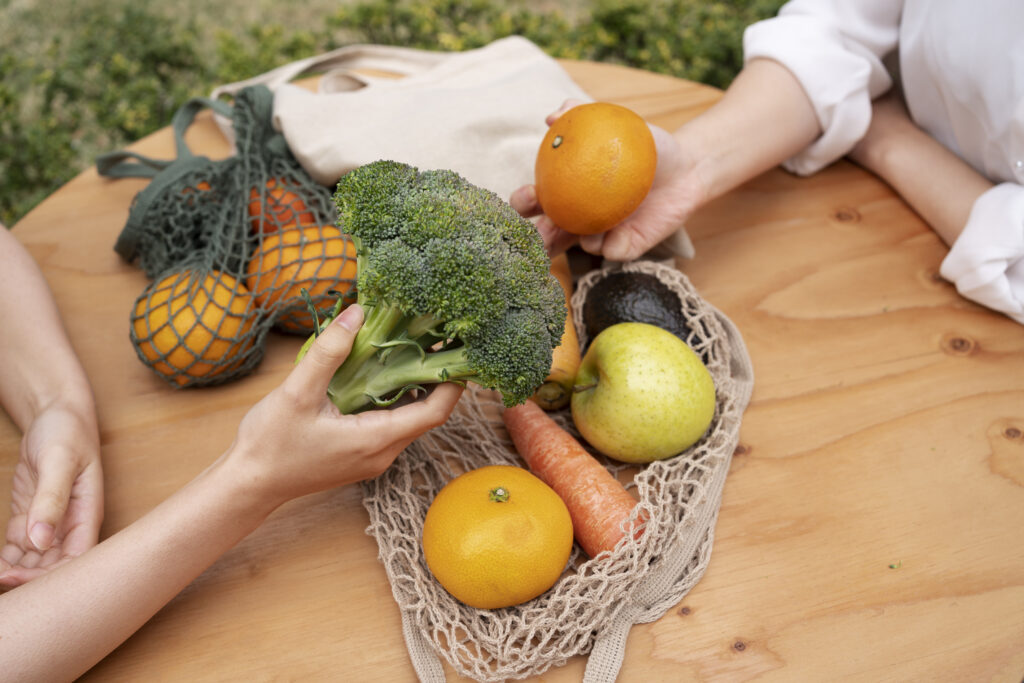
Choose products without unnecessary packaging and take reusable bags and containers to make your food shopping more environmentally friendly. It is better to buy local and seasonal – this reduces the carbon footprint and supports local farmers. Don’t waste food – if there are leftovers, try to compost them or freeze your food. Planning a menu reduces unnecessary purchases, which can be further supported by sustainable eating habits that promote continuous consumption.
Examples of a Sustainable Diet
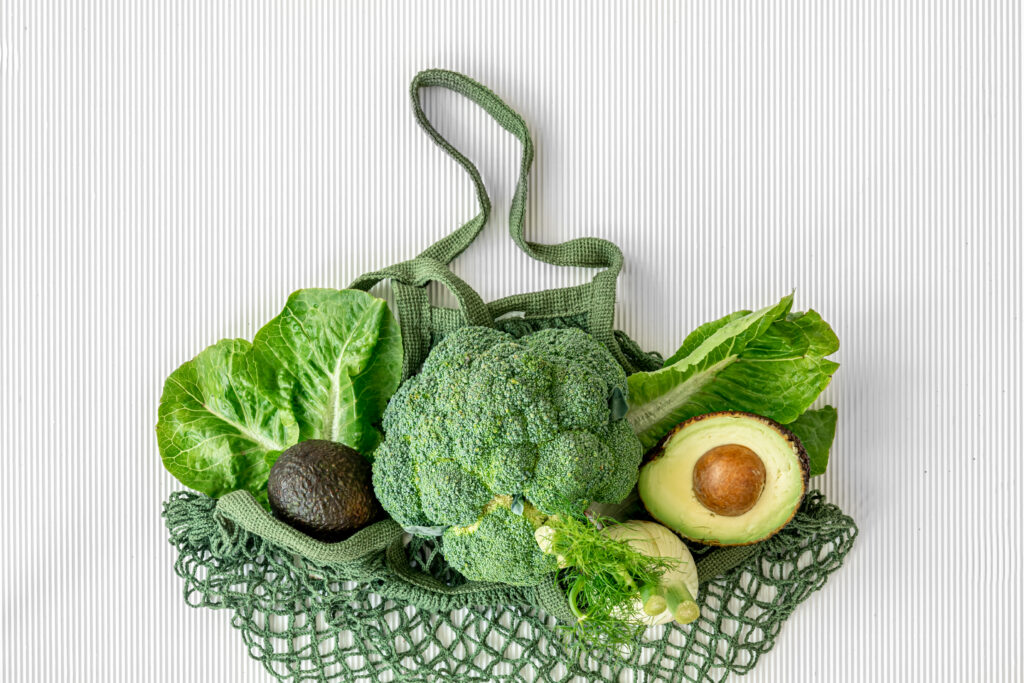
There are several sustainable food systems. They are scientifically based and built on the principles of variety. The key is to maintain the principles: less processing, more whole foods, and attention to environmental aspects. Here are a few examples.
Mediterranean diet
Lots of seafood, a little red wine, and fresh vegetables are the foundation of the Mediterranean diet. Try to eat red meat minimally and get essential amino acids from nuts, seafood, and fish. This approach will reduce your risk of heart disease and diabetes. While the meals are varied and delicious, they are minimally processed, making this eco-friendly diet a sustainable option. It is also customizable, with locally grown foods. It supports farming and does not require intensive livestock farming. This reduces the strain on soil and water. Plus, it is a tasty diet that does not require much sacrifice.
Double Pyramid model
Developed by the Barallo Foundation in Italy, this model is actively used in educational programs. This diet includes two aspects: health benefits and benefits for the planet. Products located at the top of the healthy pyramid – vegetables, legumes, cereals – are at the bottom of the ecological pyramid, as they cause the least harm to nature. And products that are useful in moderation – meat, butter, sugar – are at the top of the ecological pyramid, indicating their high impact on the environment. So, technically, it is a plant-forward eating system, which could fit vegetarians. This is a visual system that helps make more conscious decisions when choosing food. The emphasis in this diet is on plant foods and stimulation of local production.
New Nordic diet
The New Nordic Diet was developed in Scandinavia as an alternative to the Mediterranean, with an emphasis on local northern foods. It is based on whole grains, root vegetables, cabbage, mushrooms, berries, fish, and a moderate amount of meat. Cooking is as simple as possible: boiling, stewing, and baking, which makes this sustainable diet suitable for weight loss. Products are selected seasonally, with minimal processing, and mainly come from local farmers. This diet is good for the heart, brain, and gut microbiome.
Planetary health/EAT-Lancet diet
This approach to nutrition was invented by an international commission whose goal was to feed 10 billion people and save the planet. The main products in this diet are cereals, vegetables, and fruits. Animal products are allowed, but in moderation. If you visualise a plate, half of it will be vegetables, about a third whole grains, and the rest is divided between products of animal origin. This environmentally sustainable diet provides all the necessary macro- and micronutrients with a minimal environmental impact. Although the EAT-Lancet diet may seem plant-based, it is balanced.
The DASH diet
Dietary Approaches to Stop Hypertension is an approach to nutrition aimed at reducing pressure. With its help, we try to regulate blood pressure and improve heart function. Therefore, it is often recommended by doctors and international organisations for the prevention of hypertension. Usually, the diet on such a system consists of vegetables, fruits, lean meat, and whole grains. The main thing to consider is the rejection of processed foods and refined sugar. It is also worth switching to low-fat foods.
How to Start Eating More Sustainably
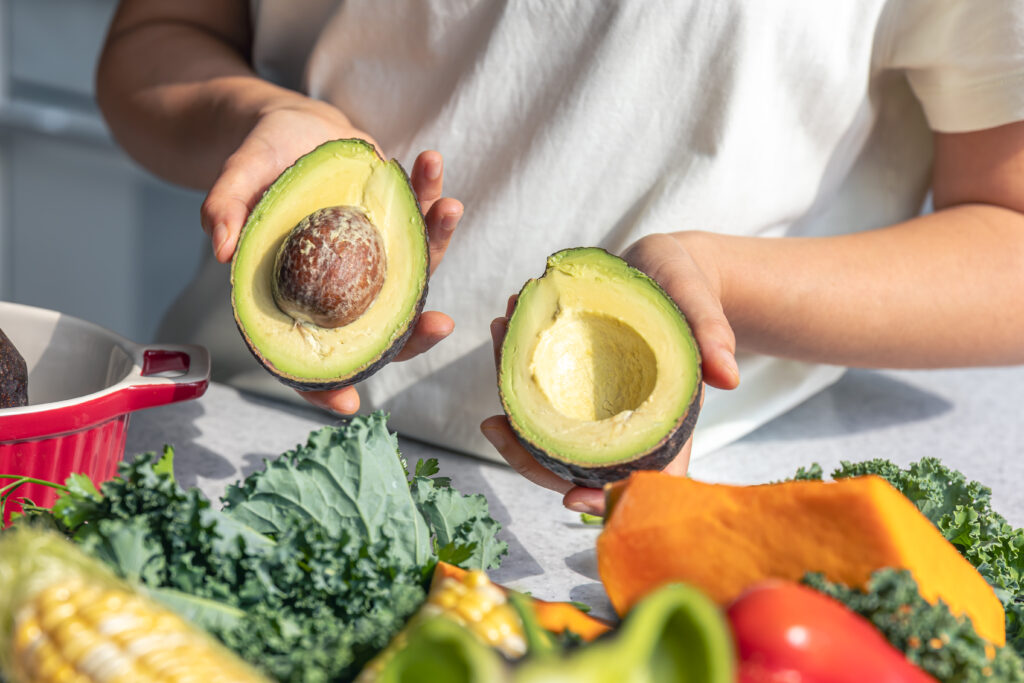
A common misconception among those starting in nutrition is that such a system requires a lot of effort. But in fact, it is enough to start small: plan purchases, reduce portions, and reduce the amount of packaging. Even one conscious decision a day already affects the environment and health. Try to start such a lifestyle once a week and keep increasing.
Sustainable Nutrition Food List
Here are the basic products to focus on:
- Focus on seasonal vegetables and fruits grown in your region, and organic food.
- Choose vegetables as your main source of protein. Mung beans, lentils, and chickpeas are all great options.
- Cereals such as oats, buckwheat, bulgur, and quinoa will fill you up and provide enough fibre for the gastrointestinal tract to function.
- Pay attention to fermented foods. This list includes fermented milk products like kefir, cottage cheese, and yoghurt, as well as fermented vegetables – sauerkraut, cucumbers, and kimchi. All of them help digestion, and fermented milk products also saturate us with easily digestible protein.
It is better to avoid products such as:
- Red meat in large quantities.
- Reduce refined sugar.
- Avoid highly processed foods. For example, replace sugary cereal with whole grain oatmeal.
Simple Steps to Start
Let’s look at a few steps that will make it easier to start your journey to Sustainable Nutrition
- Buy food with a pre-made list. This reduces the risk of impulse purchases.
- Plan your meals 2-3 days in advance to avoid throwing away food.
- Try a zero-waste lifestyle. Use leftovers for soups, stews, and salads, minimising waste.
- Replace meat with legumes at least twice a week.
- Bring a container and reusable mug to work to reduce plastic and costs.
Apps and Resources for Sustainable Eating
- Too Good To Go. When cafes and shops don’t have time to sell goods, they put them up on this app. For a minimal price, you can pick up perfectly normal food, but it needs to be consumed soon. In this way, you help not to throw away food. You open the map in the app and see which places nearby offer special packages with food. These can be pastries, salads, takeaway dishes, or food sets. You book the package, pay in the app, and pick up the food at a certain time.
- Yuka. This application can scan barcodes and evaluate the quality of the composition. With its help, you can track food additives, sugar, and fats in ready-made products. It will be indispensable for quick analysis in the store. You put the product in front of your phone camera, and the app immediately shows a colour rating: green, yellow, orange, red. It also provides a breakdown of the ingredients. The algorithm takes into account the content of sugar, salt, E-additives, saturated fats, and potentially harmful substances. If the product is bad, Yuka will offer a healthier option.
- OLIO. A platform for sharing food with neighbours. If you have surplus, you can give it to those who need it. All you need to do is take a photo of the food you want to get rid of and indicate your address. The person who wants to take it will contact you through the app.
Summary
We hope that the sustainable food system has become clearer to you now and has stopped scaring you. A sustainable food system is a good alternative that offers health benefits, including environmental friendliness for the planet. There are proven nutrition models that help you start your journey without stress. Even small steps give noticeable results – both for your body and for the environment. We have learned what it is and how you can approach your diet in an environmentally friendly way for the planet. After all, the state of the planet largely depends on our diet and lifestyle. Some tips for biohackers starting their path to sustainable food:
- Choose organic products.
- Upcycle your food, compost, or do not leave leftovers.
- Try to choose cardboard packaging instead of plastic, or choose refillable bottles.
- Be conscious of using water and electricity.
Start small, and in a month, you will see how your well-being and perception of food change. Your zero waste lifestyle could be a big step for a whole planet, even if you think it’s not. A sustainable food choice for eating creates a healthy attitude towards life in general. It develops respect for nature, food, and the work of others.
for subscribing!