


Biohacking Guide to Avoiding Food Toxins
Our bodies are exposed to food toxins every day, which accumulate as a result of air pollution, unhealthy diets, stress, and even insufficient water intake. An excess of toxins can manifest itself in fatigue, skin problems, a weakened immune system, and a general deterioration in well-being. Fortunately, cleansing the body helps to solve these problems, giving the body a “second wind.” How to minimize the entry of toxins into the body and what is the essence of detoxification — we will tell you more about this together with our experts.
Highlights
- Avoid hidden toxins by eating fresh, organic, and minimally processed food.
- Mold, heavy metals, and additives are common toxins found in daily meals.
- Clean cutting boards, sponges, and storage areas to prevent contamination.
- Choose safe cookware and avoid plastics to limit chemical exposure.
- Detox-supportive foods include vegetables, berries, nuts, and whole grains.

Contents
What Are Toxins, and How Do They Make Their Way Into Our Food
Toxins are poisonous substances of biological origin produced by living organisms that harm other living systems. Toxins are widespread in nature and are produced by various microorganisms. Bacteria, fungi, plants, animals, and even some algae can produce toxins. For example, bee venom, snake venom, mycotoxins produced by certain fungi, and bacterial toxins are examples of natural toxins. In the modern world, we are also exposed to man-made toxins such as synthetic chemicals, heavy metals, and various industrial pollutants. But how do they get into our food?
To explain this topic, we can say that our body is designed to process and eliminate waste (endogenous toxins) that it produces during normal metabolic processes, as well as harmful substances that it receives from outside (exogenous toxins). Organs such as the liver, kidneys, intestines, lungs, and skin perform the task of filtering and removing toxins. However, health problems can arise if there is excessive toxic load or if the detoxification systems are ineffective.




Toxins in Food
Toxins can enter food in various ways, including through contaminated water, air, and soil, as well as during food production and storage. Toxins may be present in food as a result of plant defense mechanisms or contamination by toxin-producing molds, and as a result of animals consuming toxin-producing microorganisms.
Examples of hidden toxins in your food:
- Botulinum toxin: produced by the bacterium Clostridium botulinum, found in canned foods, sausages, and dried fish.
- Mycotoxins: produced by mold fungi, may be found in grains, nuts, and fruits.
- Staphylococcal enterotoxin: produced by some strains of Staphylococcus, it can cause food poisoning.
- Dioxins: can enter food as a result of environmental pollution.
- Heavy metals: can enter food from soil and water.
There are several sources of potentially dangerous hidden toxins in your home. These include certain foods, such as the green parts of tomatoes, potatoes with sprouts, and cherry and apricot pits. In addition, mold on foods, especially mushrooms, nuts, and dried fruits, can release mycotoxins. Some plants, such as elderberries, may contain cyanides in unripe berries. Poor-quality or expired canned foods can also be a source of toxins.
Here is a more detailed list:
- Green parts of tomatoes, potatoes with sprouts: contain solanine, a toxic substance.
- Cherry and apricot pits contain amygdalin, which can release cyanide when broken down.
- Mold: on foods, especially mushrooms, nuts, and dried fruits, can release mycotoxins.
- Unripe elderberries: contain cyanides.
- Some vegetables and fruits, such as radishes, beans, and nutmeg, may contain other toxic substances.
- Poor-quality canned foods may contain decomposition products and toxins.
- Some plants: furanocoumarins found in celery and citrus fruits can cause skin irritation.
- Fast food and processed foods contain large amounts of harmful additives, preservatives, and fats.
Toxins in Your Kitchen Environment

Toxins can accumulate in several places in the kitchen, including cutting boards, dishwashing sponges, and food storage containers, especially if they are not tightly sealed or made of unsuitable materials. It is also worth paying attention to the cleanliness of the refrigerator and food storage areas, as mold and bacteria can grow there.
Wooden boards, spoons, spatulas, bowls, and other utensils can be dangerous to human health. They can cause harm if they are made from toxic tree species or do not meet quality standards. It is not always possible to check this when purchasing. Immunologists believe that wooden utensils are not suitable for everyday use, as they will accumulate a certain amount of germs and fungi after each meal.
NSF International conducted a study in which 22 families took samples from 30 different household items, from kitchen surfaces to mobile phones. As it turned out, Escherichia coli bacteria (which includes E. coli) are most prevalent — ironically — on kitchen cloths and sponges, which we use to wipe surfaces and wash dishes.
That is, approximately 75% of kitchen sponges and clothes contain Escherichia coli bacteria. These bacteria were also found in the following places:
- 45% of kitchen sinks;
- 32% of countertop surfaces;
- 18% of cutting boards.
Samples were also taken in bathrooms, where E. coli was found on:
- 27% of toothbrush holders;
- 9% of door handles.

How Toxins Affect Your Health
Natural toxins can cause a variety of adverse health effects and pose a serious risk to both humans and livestock. Some of them have powerful negative effects. Adverse health effects can range from mild allergic reactions to severe abdominal pain and diarrhea. In some cases, death is possible. Chronic effects include damage to the immune, nervous, or reproductive systems, as well as cancer.
Your food should be safe. But through the food you eat, you are exposed to toxic chemicals called phthalates, which are used to soften plastics and are also found in flavorings, inks, adhesives, and coatings.
Prenatal exposure to phthalates has been linked to ADHD, genital malformations in boys, and infertility later in life. Phthalates can leach into food — even organic food — during processing and packaging.
In fact, the food you eat is the primary source of exposure. In all US states, phthalate exposure is a silent epidemic.
According to government experts, up to 725,000 American women of childbearing age may be exposed daily to phthalates at concentrations that could harm a developing child.
How to Eliminate Toxins in Food
To minimize toxins in your food, focus on fresh, whole foods, cook with safer materials, and be mindful of storage and preparation methods. Prioritize organic options when possible, wash produce thoroughly, and choose cooking methods that avoid charring. Also, be aware of potential toxins in packaging and cookware and opt for safer alternatives.
Key Ingredients to Avoid
Food additives are substances added to foods to improve their taste, appearance, texture, and shelf life. They are an integral part of many foods we consume daily. However, some of them can have a negative impact on health. Food additives are classified by E-codes, which indicate their role and possible harm or benefit to the body. It is important to know which additives are safe and which should be avoided.
Although food additives are permitted for use in food products, their impact on health can vary. Some of them, particularly those of natural origin, are beneficial food additives, while others, especially synthetic ones, are harmful food additives and can cause allergic reactions, digestive disorders, or even serious diseases.
The main types of food additives are:
- Colorants (E100-E182).
- Preservatives (E200-E280).
- Antioxidants (E300-E391).
- Stabilizers and thickeners (E400-E481).
- Flavor enhancers (E600-E637).
- Sweeteners and glazing agents (E900-E967).
Colorants (E100–E182)
Safe (natural origin):
- E100 — Curcumin.
- E140 — Chlorophyll.
- E160a — Carotene.
- E162 — Beetroot dye.
- E163 — Anthocyanins.
Undesirable (synthetic, may cause allergies, hyperactivity in children):
- E102 — Tartrazine.
- E110 — Sunset Yellow.
- E122 — Carmoisine.
- E124 — Ponceau.
- E129 — Allura Red.
- E151 — Black Brilliant.
Many of these synthetic dyes are banned in certain countries, especially in baby food.
Preservatives (E200–E280)
Relatively safe:
- E260 — Acetic acid.
- E270 — Lactic acid.
- E200 — Sorbic acid.
- E202 — Potassium sorbate.
Controversial/harmful:
- E211 — Sodium benzoate (may interact with vitamins and form benzene, a carcinogen).
- E220–E228 — Sulfites (may cause asthmatic reactions).
- E249–E252 — Nitrites and nitrates (in large doses can be converted into carcinogenic nitrosamines).
Antioxidants (E300–E391)
Mostly safe:
- E300 — Vitamin C (ascorbic acid).
- E306–E309 — Vitamin E (tocopherols).
- E322 — Lecithin (beneficial, found in eggs and soybeans).
Less desirable:
- E320 — Butylated hydroxyanisole (BHA).
- E321 — Butylated hydroxytoluene (BHT).
Both can be potentially toxic when consumed regularly in large doses, and there are suspicions of carcinogenicity
Stabilizers and thickeners (E400–E481)
Safe and often natural:
- E406 — Agar-agar (seaweed).
- E410 — Locust bean gum.
- E412 — Guar gum.
- E440 — Pectin (apples, citrus fruits).
Controversial/harmful:
- E407 — Carrageenan (may cause gastrointestinal inflammation).
- E431–E436 — Polysorbates (possible effect on intestinal microflora).
- E450–E452 — Pyrophosphates (in large quantities, may disrupt calcium balance).
Flavor enhancers (E600–E637)
Relatively safe in moderate amounts:
- E620–E625 — Glutamates (including E621 — monosodium glutamate).
Safe for most people, but may cause “Chinese restaurant syndrome” in sensitive individuals — headache, nausea, etc.
Controversial:
- E627 — Sodium inosinate.
- E631 — Sodium guanylate.
Harmful in phenylketonuria and not recommended for children, especially in large doses.
Sweeteners and glazing agents (E900–E967)
Relatively safe (when consumed in moderation):
- E900 — Dimethylpolysiloxane. Used as an anti-foaming agent. Generally safe, not absorbed by the body.
- E901 — Beeswax. A natural product used as a glazing agent.
- E903 — Carnauba wax. A natural product made from palm leaves.
- E965 — Maltitol and maltitol syrup. A sugar substitute, often used in diabetic products. Safe, but in large quantities, may cause bloating and a laxative effect.
- E966 — Lactitol. A sweet alcohol that is safe for diabetics. May have a laxative effect if overdosed.
- E967 — Xylitol. A natural sweetener that is good for teeth. Safe, but may also cause discomfort if consumed in excess.
Conditionally safe/controversial:
- E950 — Acesulfame K.
- E951 — Aspartame. A highly controversial additive. Suspected of causing headaches, mood swings, and seizures. Especially contraindicated for people with phenylketonuria. It is best to avoid frequent consumption.
- E954 — Saccharin. Previously considered carcinogenic, now permitted, but remains controversial. Best avoided.
Undesirable (especially with frequent use):
- E952 — Cyclamate. Banned in the US and several other countries, due to possible carcinogenicity.
- E953 — Isomalt. Not the most harmful, but may cause gastrointestinal problems in large doses.
- E955 — Sucralose. A relatively new additive. Some studies show a possible negative effect on the intestinal microflora.
Palm oil, corn syrup, trans fats, sucralose, colorants, aspartame, white refined flour, and monosodium glutamate — these additives are the most harmful to the human body.
What Food to Avoid
- Canned food. This includes not only food with colorants and chemical preservatives (E-nitrites and nitrates, sorbates, benzoates, phosphates, etc.), but also all food in sealed containers (tin, glass, Tetra Pak). Naturally, this list also includes homemade pickles/marinades, jams, and sauerkraut, as they are very harmful to digestion.
- Processed foods: sausages, hot dogs, bacon, smoked fish, lard, fast food, and many confectionery products. Unfortunately, all of these can be found on the dinner tables of many families, even though such foods contain trans fats and carcinogens that are hazardous to health.
- Stale food. To save time, a woman cooks borscht for the week. Microorganisms form in it, and it no longer benefits the body, but causes fermentation in the intestines. A prepared dish should be consumed within 24 to 48 hours at most; after this, it will be beneficial to health.
- Incompatible foods. Eaten together: meat and dairy products; fish and eggs; onions and honey; buckwheat and pork and so on.
- Foods eaten outside the cycle of natural elements. For example, milk, fatty sour cream, butter, wheat bread, pork, nuts, sweets, smoothies, juices, and raw salads eaten for breakfast cause the accumulation of mucus and, consequently, the formation of mucous toxins.
Toxins-Free Food List
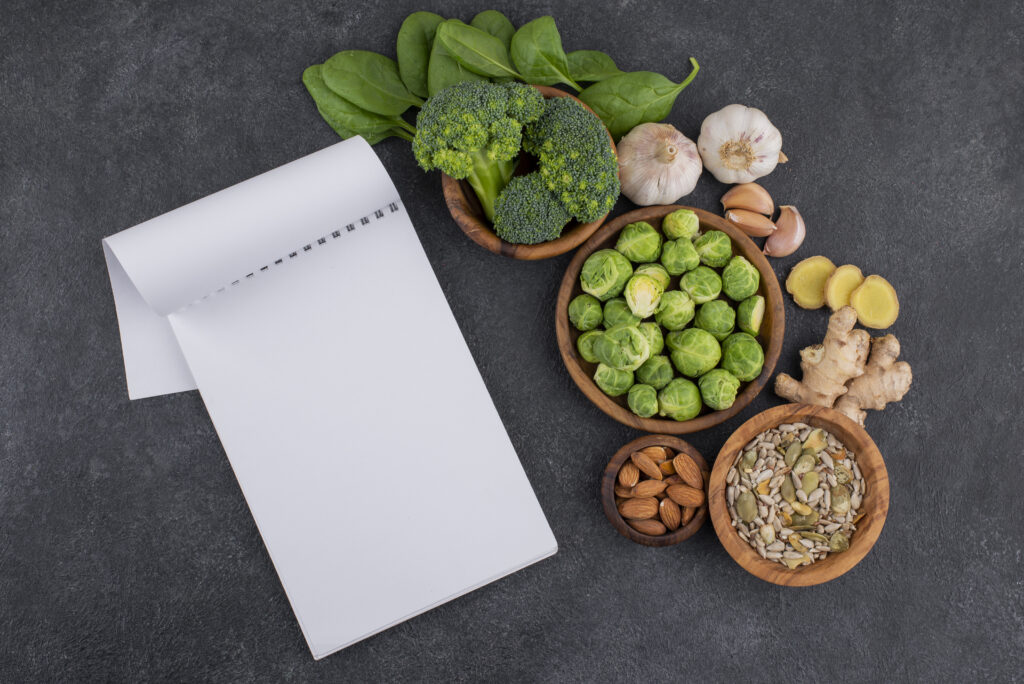
A “non-toxic“ diet typically aims to minimize exposure to harmful substances such as pesticides and artificial additives by choosing whole, unprocessed foods and, where possible, organic products. Although there is no regulation governing “non-toxic“ labeling, following these principles can contribute to a healthier diet.
Here’s a list of food categories and examples often associated with a toxin-free or clean eating approach.
Fruits and vegetables:
- Choose organic:
Prioritize organic options for fruits and vegetables known to have higher pesticide residues, like apples, strawberries, spinach, and grapes.
- The Clean Fifteen:
The Environmental Working Group (EWG) identifies produce with low pesticide levels, like avocados, sweet corn, and pineapples.
- Variety is key:
Incorporate a wide range of fruits and vegetables for diverse nutrient intake.
Protein Sources:
- Lean meats: Opt for lean cuts of beef, poultry, or pork.
- Fish: Include fatty fish like salmon, rich in omega-3s.
- Legumes and beans: Good sources of protein and fiber.
Grains:
- Whole grains: Choose whole wheat, brown rice, oats, and quinoa over refined grains.
Dairy and Alternatives:
- Organic dairy: If consuming dairy, consider organic options.
- Dairy alternatives: Explore plant-based milk like almond or soy milk.
Other Considerations:
- Limit processed foods: Reduce intake of packaged snacks, sugary drinks, and processed meats.
- Read labels carefully: Be mindful of ingredients and artificial additives.
- Hydration: Drink plenty of water.
Foods to Consider Limiting or Avoiding:
- Foods with high pesticide residues: Refer to resources like the EWG’s Dirty Dozen.
- Foods with high levels of toxins: Raw kidney beans, for example, can contain high levels of lectins, according to WebMD.
- Processed and packaged foods often contain high amounts of sodium, sugar, and unhealthy fats.
Detox-Supportive Foods
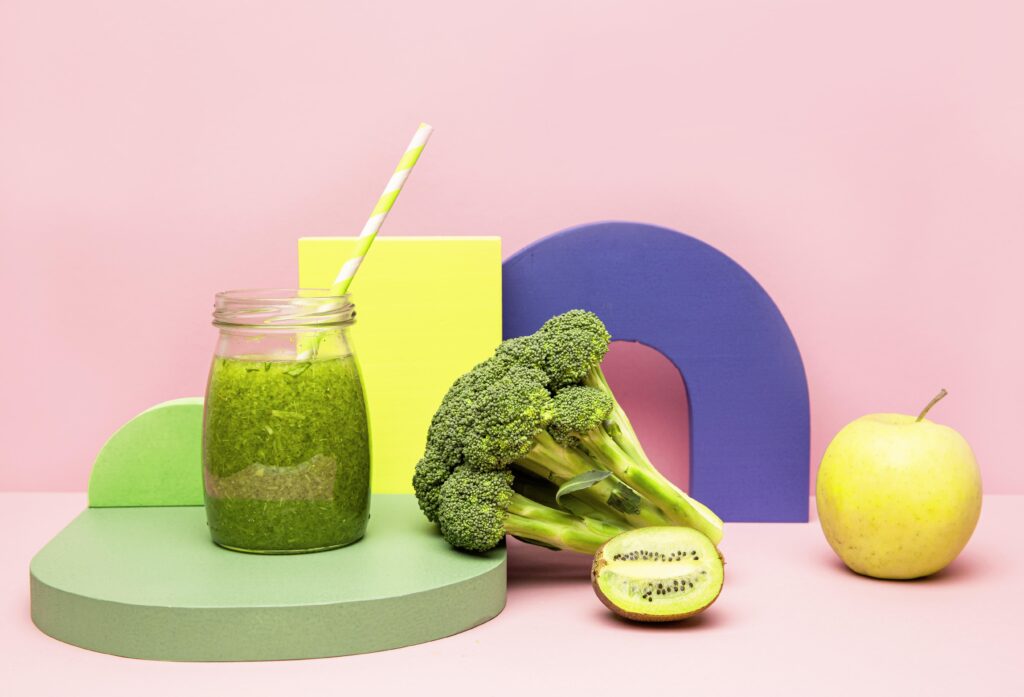
A detox diet (detoxification diet) is a way of eating that involves avoiding foods that contribute to the accumulation of toxins in the body and disrupt metabolism. The body detoxifies naturally: toxins are eliminated through the liver, kidneys, intestines, skin, and lungs. A detox program is designed to help the intestines and liver neutralize the harmful effects of drugs, alcohol, harmful foods, and exhaust fumes more quickly.
Scientific research does not confirm the need for a detox program to remove toxins from the body. However, following a detox diet and eliminating high-calorie foods from your diet in the short term can help you lose weight, reduce swelling, and remove excess fluid from the body.
There are detox diets that exclude animal products (milk, honey, meat, eggs). Most detox programs include the consumption of lean meats and fish (chicken, turkey, rabbit, pike perch) and low-fat dairy products (kefir, yogurt). The menu for a home detox program should include fresh vegetables and fruits, greens, and grains. Permitted foods on a detox diet:
- vegetables: carrots, cabbage, cucumbers, broccoli, tomatoes, asparagus, bell peppers, beets;
- fruits: apples, bananas, pears, oranges, pineapples, grapefruits, kiwis;
- Berries: raspberries, sea buckthorn, strawberries, blueberries, grapes;
- Sprouted wheat, oats, and soybeans;
- Greens: spinach, parsley, basil, cilantro, mint;
- Grains: oats, brown rice, quinoa;
- legumes: lentils, beans, peas;
- nuts: almonds, cashews, walnuts, and hazelnuts;
- dried fruits: dried apricots, figs, prunes, raisins, dates;
- spices and seasonings: turmeric, ginger, cinnamon.
The detox menu can also include weight loss smoothies made from fresh vegetables and fruits, which should be consumed 20-30 minutes before meals. You can add low-fat yogurt or kefir to detox smoothies. Permitted detox drinks include tea with ginger, chicory, thyme, mint, and dandelion.
Detox Supplements
Your body is detoxing all the time. The natural processes of metabolism create streams of waste. On top of that, you’re also ingesting, inhaling, and absorbing pathogens, chemicals, allergens, and other toxins from the environment around you. As a result, your body must work continually to deactivate and eliminate these harmful substances. Are you experiencing signs that your body’s hardworking detoxification systems could use some added support? Here’s where vitamins and supplements come in.
Probiotics
Probiotics are beneficial bacteria that promote a healthy gut environment. They play a crucial role in detoxification by optimizing digestion and nutrient absorption, reducing inflammation, and supporting immune function. Incorporating probiotics into your routine can enhance your body’s ability to eliminate food toxins.
What does the research say? A 2022 study investigating the effects of probiotics on liver function and detoxification in patients with non-alcoholic fatty liver disease found that probiotic supplementation improved liver enzyme levels, regulated lipid metabolism, and reduced insulin resistance.
Green tea
The liver is your body’s filtration system. It filters out toxins carried in your blood and converts them into waste products that your body expels through your urine. Green tea is rich in powerful antioxidants called catechins that can help protect the liver and prevent liver cell damage, optimizing liver function. Compounds in green tea also promote enzyme activity in the liver that helps to make the organ’s detoxification function more efficient.
DIM
When you eat cruciferous vegetables, such as broccoli or Brussels sprouts, your stomach acid breaks down a compound in the vegetables called indole-3-carbinol, which then produces a new compound called Diindolylmethane (DIM). DIM plays a role in stimulating natural detoxification enzymes and also supports normal hormone metabolism, including estrogen metabolism, helping to rebalance hormones and reduce hormonal symptoms.
Glutathione
Often referred to as the “master antioxidant,” glutathione plays a crucial role in cellular detoxification. It helps neutralize harmful substances, supports liver function, and aids in the elimination of heavy metals and toxins from the body. A pilot study published in the journal BMC Gastroenterology examined the effects of glutathione supplementation in patients with non-alcoholic fatty liver disease. The study revealed that glutathione supplementation improved liver enzymes, reduced oxidative stress, and enhanced the body’s detoxification capacity.
N-acetylcysteine (NAC)
NAC is an amino acid derivative that supports liver health and boosts the production of glutathione. NAC also acts directly as a scavenger of free radicals. Food sources of NAC include protein-rich foods such as beef, turkey, eggs, fish, and nuts.
Spirulina
Spirulina is a nutrient-rich blue-green algae packed with vitamins, minerals, and antioxidants. Its detoxifying properties are attributed to chlorophyll, which aids in removing toxins, supports liver function, and boosts the immune system. In animal studies, spirulina supplementation has been shown to significantly reduce the toxic effects of heavy metals, enhance liver function, and promote detoxification processes.
Magnesium
Magnesium is an essential mineral that participates in over 300 enzymatic reactions in the body, including those involved in detoxification. As the body detoxes, the mineral helps prevent depletion of antioxidants by helping maintain sufficient levels of glutathione and other antioxidants in cells. A review published in the journal Magnesium Research highlighted magnesium’s ability to support liver detoxification pathways while also promoting relaxation and reducing stress.
Milk thistle
Milk thistle is a well-known herb with hepatoprotective properties, meaning it supports liver health. It helps enhance liver detoxification pathways, protects liver cells from damage, and aids in the removal of toxins, making it an excellent supplement for overall detoxification.
L-glutamine
L-glutamine is an amino acid that supports detoxification by cleansing the body of high levels of ammonia. It acts as a buffer and helps convert excess ammonia into other amino acids, amino sugars, and urea. L-glutamine also supports gut health and aids in the restoration of the intestinal lining. By promoting a healthy gut environment, L-glutamine helps optimize digestion and nutrient absorption, which are crucial for effective detoxification.
Best Practices to Avoid Toxins

Below are some simple but effective steps to help you restore balance and lightness.
- Drink more water
Water is the basis of cleansing the body. It helps remove toxins through the kidneys and supports the functioning of every cell. Try to drink at least 1.5-2 liters of clean water daily. Add slices of lemon, cucumber, or fresh mint to make the water not only healthy but also delicious.
- Add more fiber
Fiber helps improve digestion, supports healthy gut flora, and speeds up cleansing processes. Vegetables, fruits, whole grains, and seeds are excellent sources of fiber that should be included in your daily diet.
- Take natural cleansing supplements
Natural supplements such as chlorophyll will help enhance the detoxification process. They support liver function, stimulate the elimination of toxins, and improve the function of the lymphatic system. These supplements can be found in online stores selling natural products, and they are an excellent aid for the body.
- Eat a simple and balanced diet
Forget about heavy, fatty dishes and processed foods. Instead, choose simple, natural foods: more vegetables, legumes, and healthy fats such as olive oil and avocado. Try introducing “fasting” days once a week, when you eat only fruits, vegetables, and herbal teas.
- Add physical activity
Physical activity speeds up metabolism and stimulates the elimination of toxins through sweat. Regular exercise helps the body cleanse itself naturally. Yoga, walking in the fresh air, cardio training — choose what brings you joy.
- Get enough sleep
During sleep, the body recovers and cleanses itself. Getting enough sleep helps the body naturally eliminate toxins, improves brain function, and increases overall energy levels. Try to get at least 7-8 hours of sleep every day.
- Breathe fresh air
When you spend time in nature, your lungs get clean air, which helps oxygenate your cells. Deep breathing cleanses the lungs and helps relieve tension. Try spending time outdoors practicing breathing exercises or simply enjoying nature.
- Relax and reduce stress
Stress is one of the causes of toxin accumulation because during stressful situations, the body produces hormones that slow down the cleansing processes. Practice meditation, yoga, breathing exercises, or find your own relaxation activity to reduce stress levels.
To Sum Up
Diet and lifestyle choices can influence your ability to detoxify, but so can genetic make-up and extended exposure to chemicals and xenoestrogens you come in contact with every day. When toxins build up inside the body, a wide range of effects are possible, with some potentially serious consequences.
There is a way out! You need to try to avoid toxins, cook food properly, purify water, disinfect table surfaces, and, of course, devote time and energy to detoxifying your body.
The benefit of a detox diet is that it limits the consumption of unhealthy foods (sweet, fatty, spicy foods). With the help of a detox program, you can lose a few pounds and remove excess fluid from the body. Eating fresh vegetables and fruits on a detox diet improves bowel function and refreshes the body as a whole. Detox should not be used permanently, as it can lead to a deficiency of nutrients in the body. A short-term detox program can be tried for weakness, heaviness in the intestines, frequent skin rashes, and constipation.
for subscribing!