


Biohacking experts from pioneers level to modern innovators
Biohackers explore their bodies using science and proven practices. This movement has been around for over 10 years and is only gaining popularity over time. With biohacking, you can adjust your sleep cycle, improve your health, and create a work-rest balance that is tailored to you, which will extend your life and make it more enjoyable overall. In this article, we will explore the most popular trends in the biohacking community and discover how to become part of it. We will find out what literature will help you develop yourself and how to move from an amateur level to a professional biohacker.
Highlights
- Biohackers aim to make biology accessible and affordable for everyone.
- Beginners in biohacking can start by following Tim Ferriss and Ben Greenfield.
- Dave Asprey is a popularizer of biohacking and founder of Bulletproof.
Contents
Who are biohackers
Biohackers are a community that explores the capabilities of the human body. The main goals are to improve productivity. They want to improve the quality of life and, therefore, try to hack their bodies with various practices, ranging from dietary supplements and physical exercise to blood transfusions, nootropics, and chip implantation. Biohackers aim to lead a healthy lifestyle, eat right, and incorporate regular physical activity. This movement combines advanced technology, financial investments, and biology to create an entirely new philosophy of life.
These enthusiasts carefully track their indicators, such as physical activity, HRV, sleep, and body hydration. This allows them to approach the consumption of external resources more consciously and feel their bodies better. Some experts specialise in fitness, nutrition, cognitive functions, and the brain or mental health. Becoming a biohacker is not as difficult as it may seem, and it does not always require large financial investments. First, let’s consider what types of biohackers there are.

Types of biohackers
Nowadays, the world of biohacking is divided into different directions. Each of them specialises in various approaches to studying the body and introducing innovations into it. But all this would be impossible without the founder of the concept of biohacking – Dave Asprey. An American entrepreneur who has spent millions on studying the body and its capabilities. He also founded Bulletproof Coffee – a drink inspired by Asprey’s trip to Tibet in 2004, where locals drink tea with butter. He decided to repeat the same with coffee, adding a little coconut oil to it. This recipe turned out to be to the entrepreneur’s taste; he noted a surge of energy and productivity after it. It is believed that bulletproof coffee increases concentration, helps control appetite, aids digestion, and gives you a powerful energy boost. But coffee isn’t the only thing Dave Asprey created. His books have given rise to new trends in biohacking. Let’s take a closer look.
- Grinder. The most literal body hacking. People who try this direction are ready to introduce various devices into their bodies, such as chips and implants. This is an extreme form of biohacking that aims to expand the body’s capabilities.
- DIY Biohackers. Biohackers of this trend are not afraid to experiment on themselves. They try new chemical formulas, combine nootropics, and study the work of the human genome. They usually have their home research stations in their homes and garages. After research, they share their achievements in the public domain.
- Nutrigenomics. This approach is based on selecting food that matches genes. That is, the human genome is examined, after which a specific diet is selected and the body’s reaction is monitored. In this way, you can completely personalise your diet, which slows down ageing and improves the body’s performance.
- Lifestyle Biohackers. This option is not as radical as the previous ones, and even beginners can try it. Lifestyle biohackers integrate this technique into their daily lives with the help of health trackers and other lifestyle changes. Choosing proper nutrition, dietary supplements, meditation, fasting, and regular sleep. They offer supplements and biohacking products for muscle growth, including protein and creatine, but avoid untested products.
Biohacking experts
The concept of biohacking originated in the laboratories and among techno-enthusiasts of Silicon Valley in the 90s. It became a mass movement thanks to the public distribution of health data and self-monitoring technologies.
Biohacking incorporates the concepts of quantified self, self-testing, and personalised medicine.
At first, the whole concept may seem complicated, so we have selected experts for you at every level of familiarity with biohacking – from beginner to advanced. The main direction for beginners is to take the first steps, learn what the research is based on, and the very philosophy of biohacking.
Beginner-Friendly Biohacking Experts
If you’re just starting on your biohacking journey, we recommend starting with these experts.
1.Dave Asprey. The legendary novice guru broke down complex things into simple habits: coffee with fat, cold, and red light. Ideal for the beginning of the path.
Specialties:
- Nootropics
- Fat coffee
- Nutrition
- Cognitive and brain function
Where to find him:
- Bulletproof
- Podcast
- Website
- Upgrade labs
2. Jim Quick. An expert in memory and learning, developed the “Limitless” system for brain performance. It is recommended not to use biogadgets, but to perform special exercises to increase productivity.
Specialties:
- Memory improvement
- Speed reading
- Learning techniques
- Brain performance exercises
Where to find him:
- Limitless Podcast
- Website
- Online courses and workshops
3. Tim Ferriss. Author of 4-Hour Body, testing everything from fasting to ketosis. Suitable for those who want to lead a biohacking lifestyle without unnecessary complications.
Specialties:
- Fasting
- Ketogenic diet
- Self-experimentation
- Lifestyle optimization
Where to find him:
- The Tim Ferriss Show (Podcast)
- Website
- Books and blogs
4. Rhonda Patrick. A biochemist explains nutrients, supplements, and genetics in simple terms. It is based on proven research and real facts.
Specialties:
- Nutritional biochemistry
- Supplements
- Genetics
- Ageing and longevity
Where to find her:
- FoundMyFitness (Podcast and website)
- YouTube channel
- Social media


5. Shawn Stevenson. Specifies biochemistry and kinesiology. After graduating with a master’s degree from the University of Missouri, he founded the Advanced Integrative Health Alliance. The company focuses on trauma treatment. Popularises the science of sleep in an accessible form. Author of “Sleep Smarter,” where he explores how important sleep cycles are for our lives.
Specialties:
Sleep science
- Biochemistry
- Kinesiology
- Trauma treatment
Where to find him:
- The Model Health Show (Podcast)
- Website
- Book “Sleep Smarter”
Intermediate Biohacking Experts
For those who are already on board with biohacking and want to personalise the data more than have a general awareness. The main areas of specialisation at this level are: breathing, working with the brain, biorhythms, the female body, and HRV.
1.Andrew Huberman. Stanford neuroscientist who specialises in neuromotor hormonal mechanisms. Talks about special techniques to influence the brain, such as certain breathing, lighting, and setting a focus.
Specialties:
- Neuroscience
- Hormonal mechanisms
- Breathing techniques
- Light exposure
Where to find him:
- Huberman Lab Podcast
- YouTube channel
- Website

2. Casper van der Meulen. Known for his pranayama and other breathing exercises. He works with the central nervous system and emotional integrity.
Specialties:
- Pranayama (breathwork)
- Central nervous system health
- Emotional regulation
Where to find him:
- Workshops and retreats
- YouTube
3. Sarah Gottfried. This doctor takes into account the peculiarities of the female body and adapts biohacking specifically for it. She takes into account the hormonal background and the monthly cycle, personalising the approach more.
Specialties:
- Female hormones
- Personalised biohacking for women
- Menstrual cycle optimisation
Where to find her:
- Website
- Books
- Podcasts and online courses
4. Ben Greenfield. Explains how to train smart and has a fitness background. In addition, he gives practical advice on how to maintain energy throughout the day and establish a sleep schedule.
Specialties:
- Wild living
- Fitness and training
- Energy management
- Sleep optimization
Where to find him:
- Ben Greenfield Fitness (Podcast and website)
- YouTube
- Books
5. Luke Storey. Specialises in biorhythms and their connection with the external environment. Devotes a lot of talk to energetic purity, starting with light and ending with water.
Specialties:
- Biorhythms
- Environmental biohacking
- Energy purity (light, water)
Where to find him:
- The Life Stylist Podcast
- Website
- Social media
Advanced Biohacking Experts
If you already know all the names above, it’s time to dive even deeper! Here are a few experts for the more advanced members of the biohacking community. The main areas of these experts are: neurostimulation, genetics, anti-ageing, pharmacobiohacking, and advanced biomarker research.
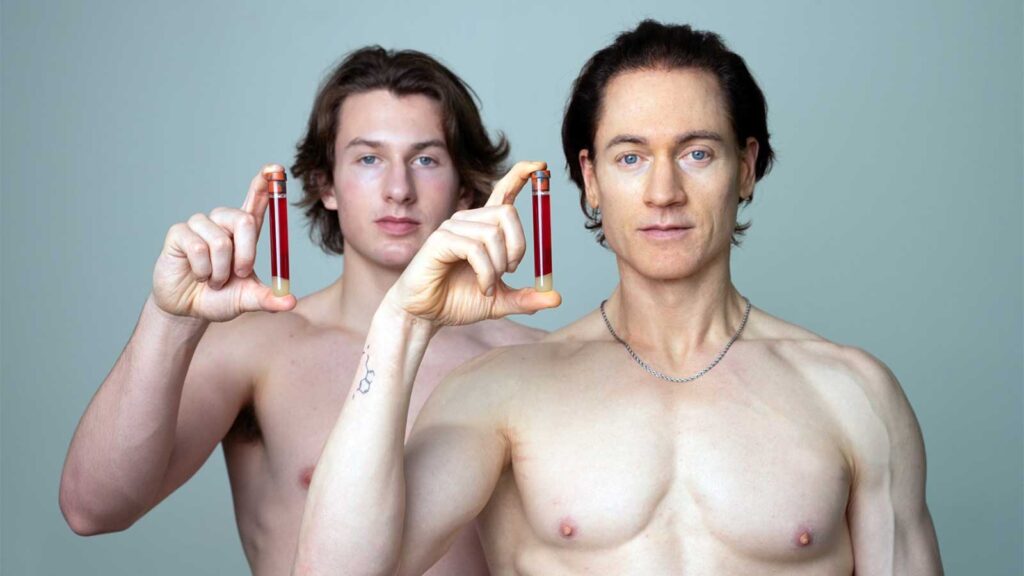
1. Brian Johnson. The millionaire, who lives according to a clear “Blueprint” protocol, constantly monitors more than 100 biomarkers. Works deeply with rejuvenation, organs, and system-wide optimisation. Uses advanced anti-ageing technologies. Famous for his transfusion experiments. Johnson publicly shares his protocol of food, supplements, exercise, and beauty treatments that he follows. The biohacker takes about 120 vitamins a day.
Specialties:
- Biomarker tracking
- Anti-ageing and rejuvenation
- Organ system optimisation
- Advanced supplementation
Where to find him:
- The Blueprint (website and app)
- Social media
- Interviews and podcasts
2. David Sinclair is an Australian Harvard professor and ageing researcher. He researches the role of resveratrol, sirtuins, NMN, and how diet affects ageing. Sinclair practices intermittent fasting and researches how to control stress, which is often the main cause of ageing. He popularises the idea that biological age can be reversed.
Specialties:
- Ageing research
- Sirtuins and NMN
- Intermittent fasting
- Stress management
Where to find him:
- Books
- Harvard profile and talks
- Podcasts and interviews
3. Valter D. Longo, Italian-American bio-gerontologist, professor, and director of the Longevity Institute at USC. Known for his work on The Longevity Diet and the fasting mimicking diet method to slow down ageing and protect cells.
Specialties:
- Longevity diets
- Fasting mimicking diet
- Cellular protection
Where to find him:
- USC Longevity Institute
- Books and scientific publications
- Conferences and interviews
4. Anne Brunet, a French geneticist and professor at the Stanford Department of Medicine, studies the mechanisms of ageing and ways to extend life at the cellular level. Leads a laboratory in the field of long-term biology of ageing.
Specialties:
- Cellular ageing
- Genetics of longevity
- Molecular biology
Where to find her:
- Stanford University
- Scientific publications
- Academic talks
5. Nathan D. Price. Systems biologist and scientific wellness expert, combining omics systems and artificial intelligence for personalised medicine. Professor at the Buck Institute and CEO of Thorne HealthTech. With the help of these tools, he personalises the medical treatment and prevents disease risks.
Specialties:
- Systems biology
- Scientific wellness
- Personalized medicine
- Artificial intelligence in healthcare
Where to find him:
- Buck Institute
- Thorne HealthTech website
- Scientific journals and conferences
TOP Biohackers by Specialisation
Sometimes you want to not just be in a specific direction of biohacking, but to use this way of life in specific areas of life. Biohacking covers different regions, and in each of them, you can find narrowly focused specialists.
Anti-Ageing Biohacking Experts
This specialisation is aimed at slowing down the ageing process and rejuvenating the body’s cells in various ways. Anti-ageing biohacking experts can use both traditional medicine for their purposes and not the most scientifically proven, and experiment on themselves.
One of the most famous experts in anti-ageing biohacking is Greg Fahy. Cryobiologist and biogerontologist, researching immune system rejuvenation. Led the TRIIM clinical trial, which reduced the epigenetic age of participants by 2.5 years in 12 months. One of the few scientists to use laboratory approaches to reverse ageing in humans.
Fitness Biohacking Experts
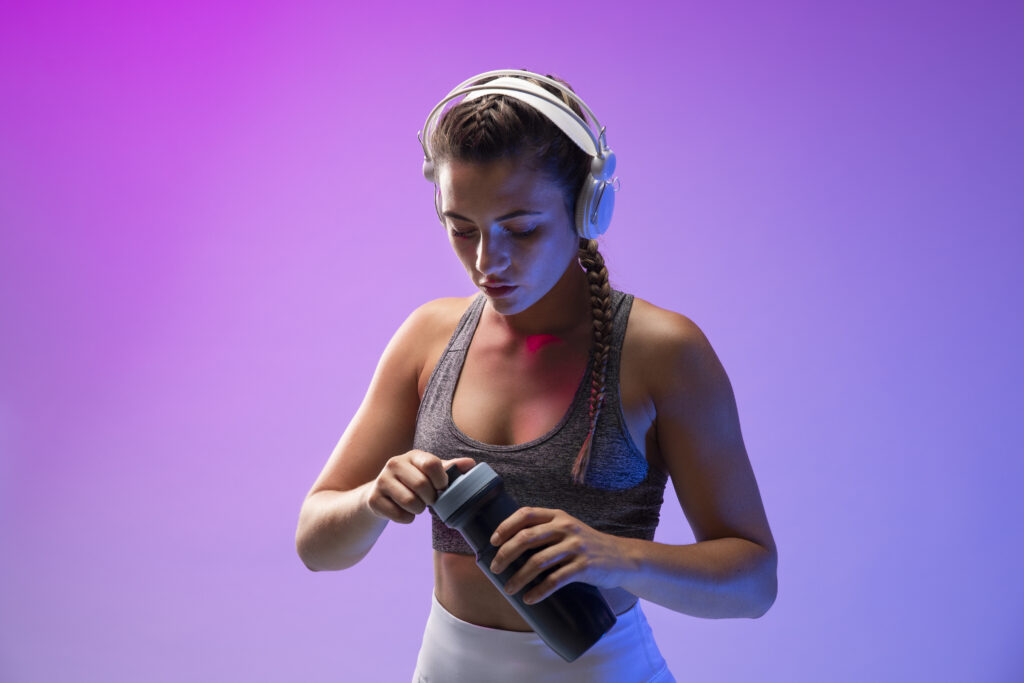
The primary focus is to optimize exercise and enhance workout productivity. It provides maximum benefit and does not cause trauma or overload. Canadian fitness expert – Joshua Lipsey. A successful professional who developed the Core-Fix platform for online training during the pandemic, helping many clients make significant changes. Focuses on functional movement, injury recovery, and a balanced approach to training. He explains how creatine can biohack your muscular and the importance of such hormones as testosterone and oestrogen in human health.
Sleep Optimisation Experts
Often, we devote little time to our sleep. At the same time, this is an important area, and biohackers know this firsthand. Optimising sleep, analysing its depth and how the hormonal system reacts to this process – these are the main questions that are asked of Matthew Walker.
Professor of Neuroscience, bestselling author of “Why We Sleep,” explains the mechanisms of REM and NREM, the influence of light, temperature, caffeine, and alcohol on sleep. He consults for entire companies producing gadgets for tracking and improving sleep. His main ideas are a stable sleep schedule, the importance of darkness and coolness in the room, and minimizing blue light in the afternoon.
Mental & Emotional Resilience Experts

The main direction is the development of stress resistance, regulation of emotions, and increasing psychological stability. A popular and well-known expert in this field is Joe Dispenza. A doctor of chiropractic has combined neuroscience, meditation, and psychophysiology together. He works with neuroplasticity, helping to change pathological negative patterns in your brain. Dispenza organises multi-day seminars that include deep Meditation practices. He tries to work with the peak without using medications.
Brain & Cognitive Enhancement Experts
This field works actively to improve memory and concentration. It aims to foster creative thinking and enhance a person’s overall reaction speed. Neuroscientist and UCSF professor Adam Gazzaley is a respected figure in this field. Founder of Neuroscape, known for his research on attention and neuroplasticity. Gazzaley invented the first video game therapeutic tool approved by the FDA, Endeavour Rx, for children with ADHD. His approach combines games, technology, and cognitive training. In addition, the professor personally participates in scientific publications and leads academic and entrepreneurial projects in the field of neurotechnology.
Nutrition Biohackers
The main task is to adjust your nutrition to work entirely in your favor, bringing only benefits. The study includes nutrigenomics and intermittent fasting. Tim Spector, a professor of genetic epidemiology, specialises in the relationship between diet and the microbiome. He suggests moving away from low-fat diets and focusing on plant-based, varied, and natural foods.
How to Choose Your Experts
As biohacking gains popularity and there are more and more specialists, it is sometimes quite difficult to figure out who is worth listening to and who is just hyping up this topic. So, before investing your time, money, and most importantly, your health, here are a few simple points on which you should first check the expert:
- Reputation and experience. Make sure there are real cases and reviews. Try to collect as much information about the specialist from independent sources as possible.
- Compliance with the level. How deep is the person in the topic they are talking about, and whether they understand the subtleties. It is also important that the expert matches your level. A beginner needs someone who can explain in simple terms. If you are already taking panels and monitoring HRV, then look for a specialist who works with advanced protocols.
- Methodology. A good specialist will provide a plan, explaining why they are doing it and what metrics they will track. He will offer scientifically proven methods and demonstrate that the result can be achieved with discipline.
- How to avoid falling for pseudoscience. In any wellness-related field, it’s easy to fall for made-up facts and false opinions. Ask for research links, beware of “secret formulas,” and check whether you need certain dietary supplements and additives.
Where to Find and Connect with Biohacking Experts
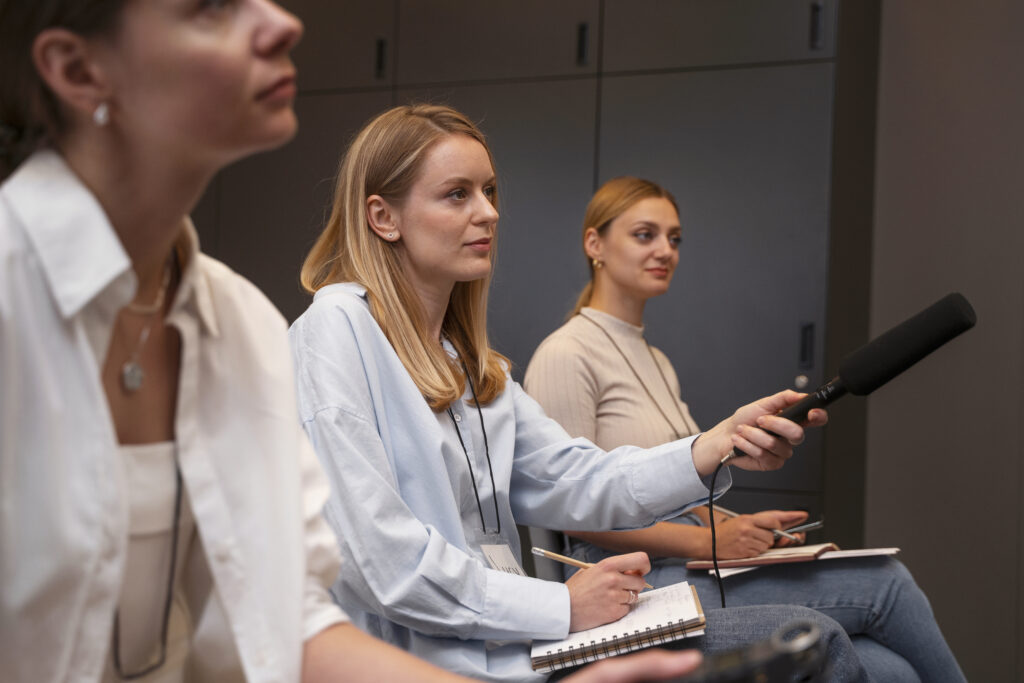
There is a wealth of detailed information available on the Internet. For instance, you can dedicate time to listening to podcasts and watching scientific channels hosted by trusted professors. Also, a good start would be to find professional biohacker profiles on LinkedIn, ResearchGate, and the profile pages of clinics, where publication activity and collaborations are visible. You can also join online communities and forums. Still, you need to be especially careful with information, do not forget about media literacy, and check the information.
The most reliable and helpful way to become part of the biohacking community is through conferences and offline events.
This way, you will be able not only to delve deeper into the topic, but also to find your partners in extremes. This is an opportunity to meet like-minded people, stay updated on the latest news in the world of biohackers, and spend time not only productively, but also interestingly. Such a place can be Biohackers World Miami 2025. This 2-day conference and expo brings together professionals of various levels, allowing each biohacker to find their direction.
Summary
Biohacking provides tools, but without healthy scepticism, they are dangerous. The right way is to gradually implement this philosophy into your life.
- For beginners: Look for an expert who gives simple advice and conveys the basics in an accessible way. Pay attention to the people who stood at the origins of biohacking – Dave Asprey, Jim Kwik. They will help you start your journey competently and easily.
- Intermediate level: Seeking a professional with expertise in HRV data and biomarkers. They are already taking a more personalised approach. Andrew Huberman and Sarah Gottfried have scientific backgrounds and know how to apply practical protocols.
- Advanced: This is a more in-depth study of the topic. Look for those who understand genetics, pharmacology, neurostimulation, and can organise laboratory monitoring. David Sinclair and Brian Johnson will help in this case. They study biomarkers and genetics in depth.
for subscribing!