


TOP-Rated Peptides for Better Sleep
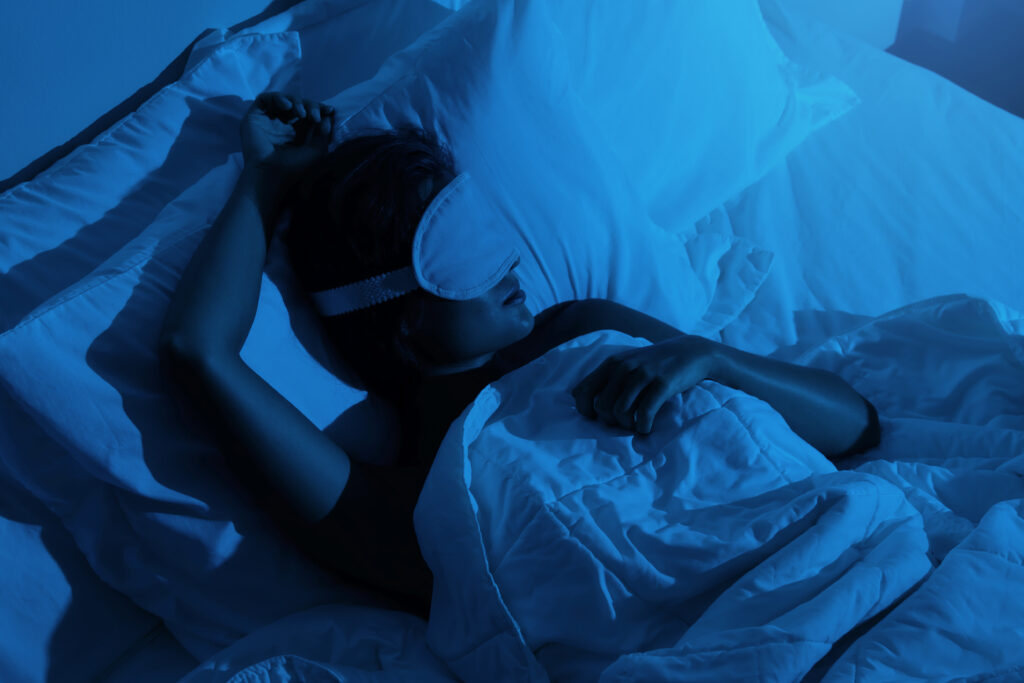
Peptides for sleep are substances that interact with the body to improve sleep quality. In addition to improving sleep, peptides can positively affect the immune system and slow the aging process. What types are there, and why are biohackers increasingly using them?
Highlights
- Sleep peptides boost deep rest, reduce stress, and help regulate circadian rhythms.
- DSIP, Selank and Epithalon stand out as the most effective sleep peptides.
- Before trying peptides, start with simple sleep hacks like darkness, cool air and a steady routine.
- Use peptides only with proper dosing and medical guidance to ensure safe, effective results.

Contents
What Are Peptides for Sleep?
Sleep peptides are short chains of amino acids that can improve sleep quality by affecting the nervous system. They work as signaling molecules that can induce deep sleep, reduce stress and anxiety, and regulate circadian rhythms.
How do sleep peptides work?
- Deepening sleep: they affect the brain centers, stimulating the onset of a deeper, more restorative phase of sleep.
- Reducing stress: they have anti-stress and calming effects, which promote relaxation before bedtime.
- Circadian rhythm regulation: they help normalize the internal biological clock, which is especially important when changing time zones (jet lag) or when sleep patterns are disrupted.
- Stimulation of natural processes: some peptides, such as pineal peptides, can stimulate the production of melatonin, a key sleep hormone.
Best Peptides for Sleep
Examples of such peptides include DSIP (delta sleep-inducing peptide) and pineal peptides such as epithalon, which help normalize the body’s melatonin production. However, let’s take it one step at a time.

DSIP (delta sleep inducing peptide)
Studies prove that it has hypnotic, anti-stress, and antioxidant properties. It can be used to restore sleep, combat stress, and treat circadian rhythm disorders.
This peptide has a pronounced stress-protective and adaptogenic effect, increasing the body’s resistance to various adverse stress factors in pathological conditions resulting from diseases of various etiologies. DSIP prevents the onset or limits the severity of stress-induced pathological processes in the body; its modulatory effect is not manifested in the normal physiological state.
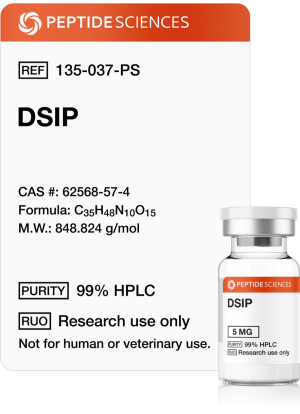
The peptide has antidepressant and anticonvulsant effects, normalizes sleep, exhibits antitoxic properties, increases mental and physical performance, and limits autonomic disorders. This neuropeptide increases the electrical stability of the heart and raises the fibrillation threshold, limits cardiovascular disorders during stress, reduces the primary pathological craving for alcohol, and eliminates the manifestations of alcohol withdrawal.


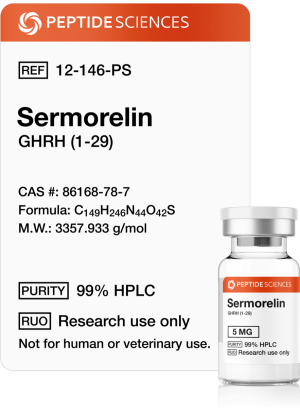
Sermorelin
This is a peptide drug that is widely used in sports. Its purpose is to improve physical endurance and accelerate recovery processes after intense training. Sermorelin is a synthetic polypeptide consisting of 29 amino acids, designed to stimulate the release of growth hormone by the pituitary gland.
In adults, growth hormone deficiency can lead to increased fat deposits, decreased muscle mass and strength, and a reduced quality of life. Studies of Sermorelin have investigated its ability to improve these parameters. The results have been mixed: some studies have shown improvements in body composition and physical function. In contrast, others have found no significant differences.

In the field of biohacking, it has been studied for its potential benefits in improving quality of life, increasing energy levels, improving sleep, and other parameters related to aging.
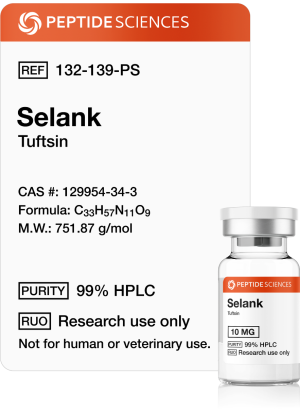
Selank
Selank is a synthetic peptide that is analogous to the natural peptide taftazine, which has a neurospecific effect on the central nervous system. It has anti-anxiety, antidepressant, nootropic, and anti-asthenic effects. Selank improves cognitive functions such as memory and attention, increases mental performance, and helps with stress and anxiety.
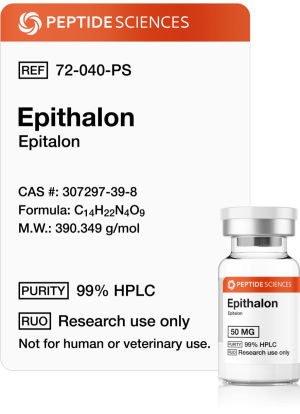
Epithalon
Epithalon is one of the most studied geroprotective peptides. It is synthesized from the natural protein of the pineal gland, which is responsible for circadian rhythms, melatonin production, and regulation of the neuroendocrine system. The peptide has become the basis for drugs that affect aging rate, cell renewal, hormonal sensitivity, and metabolic rhythm.
The drug is included in comprehensive programs for the prevention of age-related changes, correction of biological rhythms, and restoration of immune and hormonal regulation. It is a molecule that restores the internal mechanisms of biological self-regulation.
The peptide’s mechanism of action involves activating telomerase, an enzyme that protects telomeres (the ends of chromosomes) from shortening. This is one of the key processes that slow down cellular aging. In addition, it enhances the physiological production of melatonin, normalizes circadian rhythms, reduces cortisol levels, and stabilizes sex hormone secretion.
It affects the expression of genes associated with cell proliferation. It can slow down age-related changes in the immune and endocrine systems. Epithalon is also used as a mild support during recovery from surgery, trauma, chemotherapy, and other stressful effects on the body.

Are Peptides for Sleep Safe?
Peptide therapy is usually considered safe, but it is not free from risks. When taken in the correct dosage and using certified products, they are generally beneficial and safe.
DISCLAIMER! Before using peptides, it is recommended to consult a specialist, especially if you have chronic diseases or are taking other medications, as individual dosage selection is required.
Summary
Peptides can improve sleep by supporting the body’s natural sleep mechanisms, such as regulating the circadian rhythm, enhancing relaxation, and boosting melatonin production. Unlike sedatives that force the body to shut down, peptides for better sleep work more like regulators. They help your body reestablish its natural rhythm, calming stress hormones, enhancing restorative slow-wave sleep, and balancing sleep timing. Traditional sleep aids work by suppressing the central nervous system, which can lead to grogginess, dependence, or disrupted sleep architecture. Peptides, on the other hand, influence biological functions at the molecular level to support long-term balance and uninterrupted sleep.
for subscribing!