


Continuous Glucose Monitoring (CGM): Is It Worth It for Healthy Adults?
Many people assume that continuous glucose monitoring (CGM) devices only serve patients with diabetes. In fact, biohackers, athletes, and health-conscious adults also use these devices to track the effects of diet, exercise, sleep, and stress on blood glucose levels. While CGMs can guide nutritional choices, they come with cost hurdles and inherent limitations, and must be paired with a comprehensive health plan to deliver their maximum value.
Highlights
- CGMs help healthy adults track how food, exercise, and sleep affect glucose.
- They offer personalized insights for better metabolic awareness.
- High cost and data overload limit everyday use.
- Useful for longevity and early detection of insulin resistance.

Contents
Blood sugar is one of the most important indicators of our body, helping us to stay energetic and productive. The modern world uses continuous glucose monitoring to measure that data. It helps to know your analysis parameters here and now. Traditionally, this measure has been used for people with diabetes, as it is the fastest way to analyze glucose levels. But CGMs are increasingly popular among biohackers, health-conscious individuals, athletes and longevity experts.
A growing number of healthy adults are adopting glucose monitoring to gain a deeper understanding of their bodies. By knowing how their blood sugar levels impact them, it helps them make decisions about their diet, exercise regimen, and even sleep patterns. We will try to answer: Is a CGM actually useful for healthy adults, or is it just another health trend? We will look at how useful glucose tracking is for a healthy adult and discuss if it is worth doing.
What Is a Continuous Glucose Monitor (CGM)?
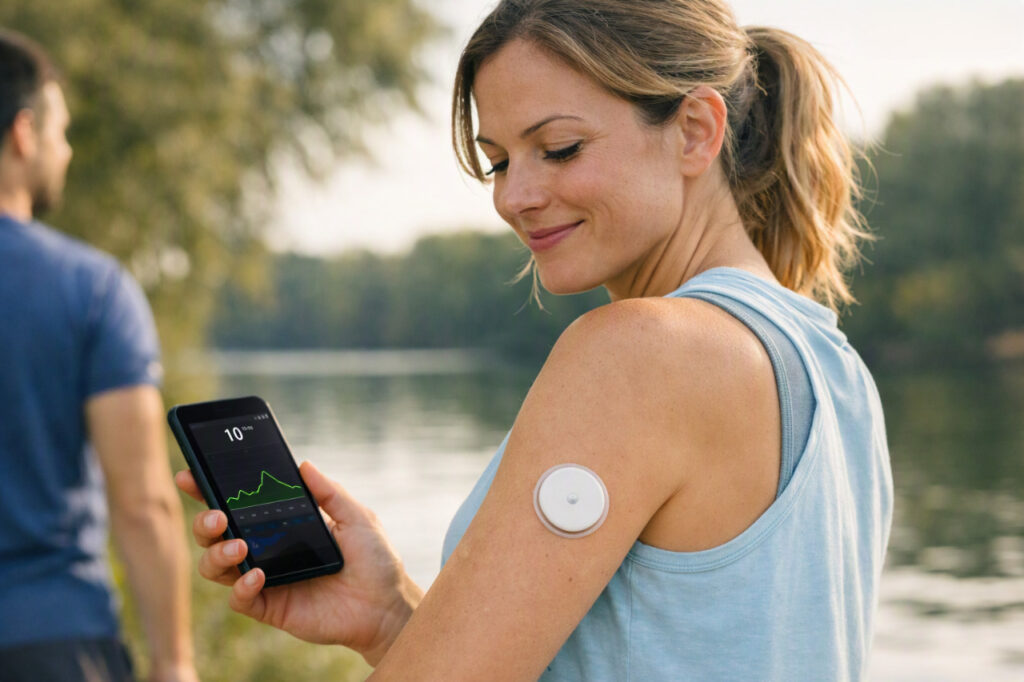
This is a special wearable glucose monitor that allows you to see how your sugar rises. Such a modern method of controlling blood glucose levels in diabetic patients allows an endocrinologist to assess sugar fluctuations as accurately as possible and to select the most effective sugar-lowering drugs. A continuous glucose monitor device is used to measure the glucose level in an interstitial fluid continuously around the clock.
This method of data collection gives a more accurate picture of your condition. People with diabetes or prediabetes can stay healthy by understanding their blood sugar levels in real time through continuous monitoring. This happens for up to 8 days, after which you have a full schedule of measuring your sugar throughout the day. CGMs show how much glucose you have after a meal, which foods increase it faster, and how high your glucose levels are during sleep. It is more effective than finger-prick glucose testing, and also less painful.
How Does Continuous Glucose Monitoring Work?
The sensor is attached to the back of the shoulder and reads data every 5 minutes. The measuring thread is inserted into the subcutaneous fat cell to allow continuous measurement of glucose levels. In all, 288 interstitial glucose measurements take place per day, and you can monitor the results on a special instrument or even on your phone. With such a device, you can take a shower, go to sports and generally lead a full lifestyle. In fact, it’s best to do just that, as this way you will get real-time data tracking which will give an objective assessment of the body condition.
It is worth saying how blood sugar monitoring is important during pregnancy for women with diabetes mellitus type 1, type 2 and gestational diabetes mellitus. In addition to addressing the necessity of starting insulin therapy in some cases of gestational diabetes, this enables the detection and prevention of bouts of hypoglycemia – a sudden drop in blood glucose levels – and hyperglycemia – an increase in blood glucose – with insulin therapy.


Why Are Healthy Adults Using CGMs?
This approach was originally developed specifically for those with diabetes. However, CGM gains popularity through healthy adults as well. The thing is, their sugar levels change frequently throughout the day. As practice shows, blood sugar monitoring has become popular among athletes and those who want to improve their health. Because sugar levels have an impact on metabolic health, biohackers have another chance to learn more about their bodies and make more deliberate dietary choices. Being aware of your glucose spikes – fast blood sugar jumps, caused by specific foods – is helpful. It is helpful to keep an eye on each person’s trend because this indicator is quite personal.
It’s also important to remember that CGM improves weight management. You can use its data to develop a diet that will influence your glycemic index and help losing weight if necessary. Also, this conscious approach to your glucose levels helps in Healthspan Optimization. In the field of longevity and biochemistry, CGM is seen as a tool for better understanding metabolic health.
What Can a CGM Reveal About Your Health?
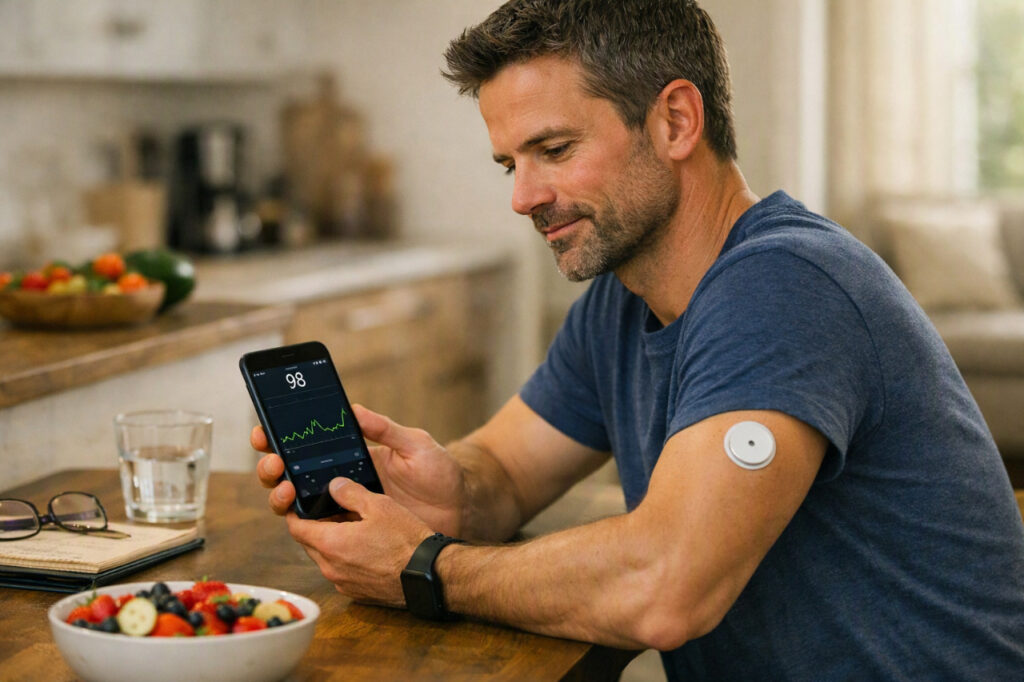
Continuous glucose monitoring offers signs which are helpful in daily life. It allows you to take an approach that is more deliberate to your routine and comprehend the connection between habits and the body’s response. For instance, you can reduce or stop eating certain foods if you know which ones raise your blood glucose levels. These glucose surges are risky because they might ultimately result in insulin resistance. This could eventually lead to diabetes or metabolic syndrome, which is why it’s important to monitor these indicators.
Additionally, you may observe how exercise lowers blood sugar levels. Muscles start actively using glucose for energy when they are exercising. This enhances insulin sensitivity and lowers blood sugar levels. Because you don’t take a sensor at night, CGM also gives you the chance to see how glucose regulation impacts your sleep. With the charts, you can compare sugar levels to your sleep quality and make adjustments to improve it.
What Are Glucose Spikes and Why Do They Matter?
First, let’s try to explain what a glycemic spike is. These are sharp increases in sugar levels after eating. In general, they are a natural part of the metabolism and occur in everyone. But if these spikes are too frequent or too pronounced, it may be related to the deterioration of insulin sensitivity. In such a scenario, CGM can help determine if the sugar levels are normal or if other health adjustments are required. A specialist may review this type of data and supply further assistance. It’s likewise essential to remember that we shouldn’t concentrate solely on one indicator; instead, it’s crucial to track the body’s overall health trend before making judgments about its condition.
Potential Benefits of CGMs for Healthy Adults
Let’s chat about the benefits of this metric. Here is a list of the continuous glucose monitoring benefits you can derive from your monitoring data:
- Better Nutrition Decisions. CGM shows how different products influence glucose levels, helping to make more informed dietary choices. For example, you notice that a sweet breakfast causes a sharp rise in sugar. Because of this, you feel tired rather than energized. You then choose a breakfast containing fibre and protein.
- Increased Awareness of Metabolic Health. Continuous monitoring helps to better understand metabolism and the influence of daily habits on sugar levels. This way, you can track that sleep deprivation increases glucose spikes, and you can spend time on quality of sleep.
- Personalized Health Insights. The metrics help you understand how your body responds to diet, physical activity, and stress. Two people can have different reactions to the same relatively healthy lifestyle. The individualized approach helps to build a routine for you.
- Early Detection of Potential Issues. Unusual sugar reactions may be the reason for a more thorough assessment of metabolic health. For example, you notice sharper and more frequent surges in sugar after meals
- Improved Lifestyle Habits. Constant feedback motivates people to follow healthy habits more often and to be more aware of health. By knowing your numbers, you can adjust your lifestyle more consciously. For example, going for a walk after eating.
What the Research Says About CGMs in Healthy Adults
As modern research shows, CGM for healthy adults might be useful in wellness personalisation. One of the best-known studies in this field was conducted by a team from the Weizmann Institute, published in Cell magazine. It showed that identical products can cause very different glycemic reactions in different people. As it turns out, the same diet can cause different reactions to increase glucose levels. In addition, studies involving healthy adults have shown that continuous glucose monitoring can raise awareness of metabolic health and motivate people to make healthier choices about food and lifestyle.
Still, there is not enough evidence for the long-term benefits of continuous glucose monitoring for this group of people. There is no direct correlation between longevity and monitoring. Most experts agree that CGM can be a valuable tool for studying one’s metabolic health, but its data should be interpreted in the context of other biomarkers and lifestyle indicators rather than seen as an indicator of health on its own.
Potential Downsides and Limitations
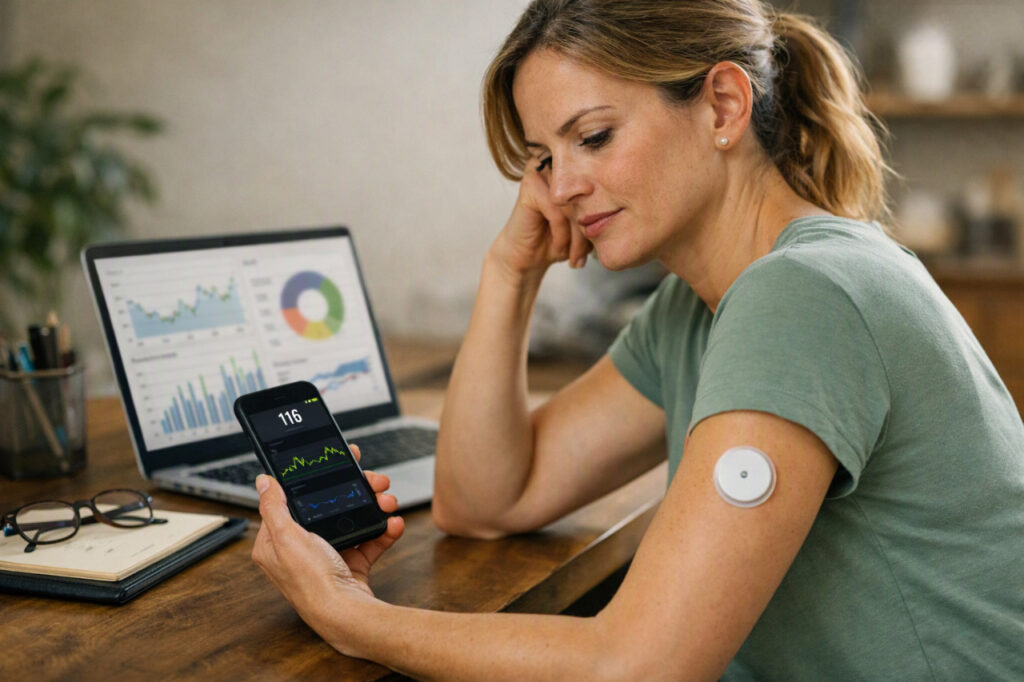
Now let’s discuss some limitations which CGM might have. First of all, the cost of devices. Consider the average monthly usage rate: depending on insurance, brand, and whether the device is a prescription, the gadget will cost $70 to $450 per month. Therefore, long-term use of the device can be costly for a healthy person. Also, CGM generates a large amount of data. This can lead to an overly meticulous analysis, without considering the overall picture of health. Researchers also note that constant monitoring can be a concern for some users, especially if they perceive every change in glucose levels as a potential problem. Therefore, for people without diabetes, it is recommended not to seek CGM on an ongoing basis.
Note the technical limitations of the monitoring device. The CGM measures glucose levels in intercellular fluid rather than directly in blood, so there may be a slight delay between actual changes in sugar and sensor readings. It is also important to understand that monitoring does not take into account all metabolic health indicators such as cholesterol, inflammation, hormone status, body composition and fitness. That is why these indicators should be viewed in conjunction with the overall health picture.
Are CGMs Worth It for Healthy Adults?
Not everyone needs such meticulous data about glucose. Sometimes you can take your health for granted. Now that we know the pros and cons of continuous glucose monitoring, let’s talk about how healthy an adult should consume it.
Who May Benefit Most
- If you have doubts about your metabolic health.
- If you are a biohacker and want to improve your approach to conscious health
- If you focus on longevity
- Indicators can be useful for professional athletes.
Who may not need one
- If you don’t have a specific data reading purpose
- For those who already lead a healthy lifestyle
- If you already have healthy habits
CGM Metrics Every User Should Understand
Modern continuous glucose monitoring systems provide many different indicators. Still, for most users it is enough to understand several basic metrics. They provide the most useful information about metabolic health.
- Average Glucose. This indicator helps you determine what your sugar level has been over a certain period of time. The metric shows the overall picture and how well your body regulates its glucose levels.
- Time in Range. Shows how long the glucose level has been in a given range. The longer performance remains within target, the more stable sugar regulation is considered. It helps to assess not only mean values, but also the overall stability of metabolic processes.
- Glucose Variability. Shows how much your sugar levels change during the day. Too much fluctuation may indicate less stable glucose control. However, certain changes are a completely normal part of physiology. The main challenge here is not to eliminate fluctuations, but to understand their causes and patterns.
- Post-Meal Glucose Response. This metric shows the body’s reaction to food intake. It helps to identify which products cause the most pronounced sugar increase and which provide more stable performance. Allows a better adaptation of the diet to individual features of the organism.
- Glucose Trends. In addition to individual values, modern CGM shows the direction of movement of glucose levels. Users can see whether the score increases, decreases, or remains stable. Analysis of trends is often more useful than attention to individual figures.
How to Use CGM Data Effectively
Now that we understand what continuous glucose monitoring is, let’s try to figure out how to get the maximum efficiency from it. Tracking the patterns of glucose spikes is one of the crucial advantages. For example, try to follow your body’s reaction to different foods. The fact is that everyone reacts to each nutrition differently . In one case, glycosylation can be caused by white bread, and in another by overprocessed products. The CGM allows you to detect your reaction. Experiment with nutrition and you will notice what causes a sudden glucose spike.
But it’s not just food that causes high blood sugar. Stress may also be a factor of rising glucose level. Due to the action of stressful hormones, your body can increase glucose levels, which affects your CGM. Try to combine the CGM with other health metrics. This will give you a complete picture of your body and help improve how it works. Remember, the most important aspect is your discipline. Without daily changes in your own routine, any indicators will be just numbers.
CGMs and Longevity: Is There a Connection?

Sugar regulation is closely related to cardiovascular function, type 2 diabetes, chronic inflammation and overall body fatigue. It is worth noting that CGMs are just indicators, and on their own they are not in charge of longevity. Knowing them, you are able to adjust your lifestyle qualitatively and further feel its improvement. For example, it is faster and better to track insulin resistance. This condition occurs when the body’s cells begin to respond less well to insulin and use glucose less effectively. In the early stages, a person may experience no symptoms.
Some experts believe that monitoring the body’s response to food can help in addressing potential problems earlier. This also applies to the regulation of blood sugar. Persistent major disturbances to this system can affect various organs and tissues over time. That is why many programs aimed at increasing healthspan focus on glucose control. Metabolic health is now considered a key factor in healthy aging. CGM provides much more data than conventional analyses. Therefore, more and more longevity experts take it into account when constructing strategies for training, nutrition and other aspects of life. However, specialists emphasize that sugar levels should be evaluated in conjunction with other biomarkers.
The Future of Continuous Glucose Monitoring
Let’s try to predict the future of CGM and how it might affect our health. Here are the most popular trends:
- Non-invasive Glucose Monitoring. At this point, monitoring still suggests invasive manipulation of our body. Although this method is considered not particularly painful, the option in which no puncture is required is more pleasant. It is predicted that such devices will not require installation under the skin, and many large companies are working on their development. If they become accurate enough, using glucose monitoring can be much easier and more accessible.
- AI-Powered Health Insights. In this context, using AI can be a distinct advantage. In the future, algorithms will be able to analyze CGM data along with information about sleep, physical activity, nutrition and other indicators. This will allow for more personalized recommendations and faster identification of potential issues.
- Integrated Health Platforms. A common knowledge system will allow us in the future to identify features and predict problems faster. For example, CGM data could be automatically analyzed along with heart rate, sleep, and physical activity. Such an approach would provide a more holistic view of the state of the body.
-
Personalized Longevity Programs. One of the main trends in modern cycling is personalization. Taking a more personalized and targeted approach to your health provides better data to improve your performance. CGM can be part of such programs along with laboratory analyses, portable devices and other monitoring tools.

Continuous glucose monitoring has long since moved beyond the purely diabetic practice to attract the attention of biohackers, athletes and longevity supporters. Technology helps in understanding the effects of diet, physical activity, sleep, and stress on glucose levels. For some healthy adults, CGM can be a useful tool to help shape more informed habits and make data-driven decisions. However, the device is not mandatory for everyone and should not be seen as a universal solution to improve health. The greatest value of CGM is when its data are used in conjunction with other health indicators and help maintain long-term metabolic well-being.
Here are some tips to get the most out of CGM:
-
Use CGM to search for patterns rather than analyze individual metrics.
-
Evaluate data along with nutrition, sleep, and physical activity information.
-
Don’t take every glucose jump as a problem.
-
Consider CGM as part of a comprehensive approach to health.
-
Remember that the device is not a substitute for medical examinations.
-
Focus on sustainable habits, not perfect numbers.
-
Use data to educate and improve your lifestyle.
for subscribing!