


How to Raise Your Immune System
The immune system plays a vital role in protecting the body from viruses, bacteria, and other pathogens. Maintaining one’s health helps prevent numerous diseases and maintain overall well-being. Biohacking offers scientifically proven methods for strengthening the immune system through a comprehensive approach. Our biohacking experts explain what these methods involve.
Highlights
- Cold exposure and cryotherapy may enhance immunity and improve recovery speed.
- Intermittent fasting activates autophagy and helps cellular renewal processes.
- Red light therapy supports cell energy and reduces inflammation in the body.
- Vitamins and minerals like vitamin D, zinc and C support immune function daily.
- Sleep, stress management and movement are key factors for strong immunity.

Contents

Biohacks to Support Immune Function
The immune system protects the body from infections and promotes recovery from illness. A weakened immune system can lead to:
- Frequent colds and infections.
- Slow recovery from illness.
- Increased fatigue and weakness.
- Chronic inflammatory processes.
Biohacking offers several effective approaches to supporting and strengthening the immune system, which we will discuss below.
Cold Exposure and Cryotherapy

Cold exposure and cryotherapy are biohacking methods that involve short-term exposure to extremely low temperatures (down to -160°C) to activate the body’s defenses. For the biohacker seeking maximum health optimization, such methods support immunity in the following ways:
- Stimulation of immune cells: regular sessions help increase the number of white blood cells, lymphocytes, and monocytes in the blood. These cells help the body more effectively recognize and destroy viruses and bacteria.
- Enhanced circulation and lymphatic drainage: extreme cold initially constricts blood vessels, then dilates them. This accelerates metabolism and improves blood and lymph circulation, which accelerates the delivery of immune cells to tissues.
- Reduced systemic inflammation: cryotherapy effectively reduces inflammatory processes throughout the body, reducing the burden on the immune system and promoting tissue regeneration.
- Anti-stress effect and adaptation: cold is a controlled stress that trains the body, stabilizes hormonal balance, and increases overall resistance to external negative factors.
- Rapid recovery: the procedure helps reduce muscle pain and swelling, which is especially important for active biohackers involved in sports.
Cryotherapy thus acts as a tool that “hardens” the immune system and accelerates regeneration, allowing the body to recover faster and function more efficiently.


Autophagy & Intermittent Fasting
Autophagy is a natural regenerative process occurring at the cellular level that reduces the risk of certain diseases and prolongs life. In 2016, Japanese scientist Yoshinori Ohsumi was awarded the Nobel Prize for his discovery and study of the mechanisms of autophagy. This research has led to a better understanding of diseases such as Parkinson’s disease and dementia.
Fasting for 16-24 hours forces cells to process internal waste, reducing chronic inflammation and renewing immune cells, thereby triggering autophagy. Autophagy has several benefits:
- Cellular cleansing: autophagy maintains overall cellular cleanliness by removing damaged organelles and protein debris that accumulate within the cell. This prevents the accumulation of waste within the cell.
- Cellular renewal: autophagy enhances the cell’s ability to self-renew by removing damaged or dysfunctional organelles. This helps the cell stay young and healthy.
- Energy balance: autophagy can break down cellular materials to provide cells with additional energy during starvation. This helps cells maintain energy balance.
- Immune system support: autophagy supports the immune system by preventing pathogens (such as viruses and bacteria) from replicating within cells. It can also facilitate cell recognition and clearance by immune cells.
- Antioxidant protection: autophagy can enhance antioxidant defenses by mitigating oxidative stress accumulation in cells. This helps cells maintain overall health by combating free radicals.
- Protection against neurodegenerative diseases: autophagy can help prevent the development of neurodegenerative diseases, particularly Alzheimer’s and Parkinson’s. This process can have a neuroprotective effect by clearing abnormal proteins that accumulate within the cell.
- Fight inflammation: autophagy can reduce inflammatory processes in cells. This means that autophagy can help keep inflammation under control.
Antioxidant-rich foods, healthy fats, adequate protein intake, drinking water, and consuming caffeine and green tea can also positively impact autophagy.
Furthermore, sleep patterns and stress management play an important role in regulating autophagy. However, because each person’s body composition differs, it is necessary to consult a healthcare professional before implementing dietary strategies that influence autophagy.

Red Light Therapy
Red light therapy boosts your cells’ energy, helping your immune system function better. This means your body can fight off germs, like viruses and bacteria, more quickly. It can also lower long-term inflammation in your body. Too much inflammation makes it harder for your immune system to do its job. When your inflammation is balanced, your body can respond faster when you get sick.
Many people who use red light therapy say they don’t get sick as often and recover faster from colds or small infections. It’s not a replacement for eating healthy, washing your hands, and getting rest, but it can give your immune system extra support.
By helping your immune system function better, red light therapy may reduce your risk of getting sick. It helps your body make more immune cells and clear viruses faster. Some studies show that people recover more quickly from colds when they use red light therapy. This works because red light boosts blood flow, lowers inflammation, and helps repair cells. Using it during cold and flu season may help you stay healthier, recover faster, and have milder symptoms.
Supplements for Immune System Support 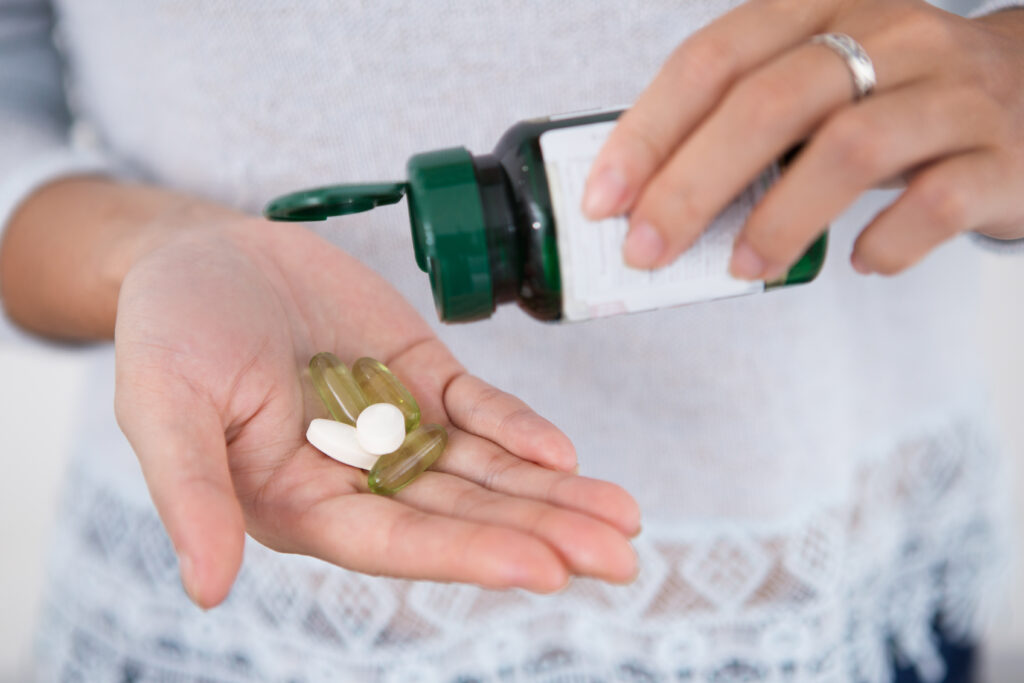
While a balanced diet is primary, these supplements can help maintain defenses, particularly during winter or high-stress periods. Also essential for maintaining a healthy immune system are:
- Vitamin C: An antioxidant that increases white blood cell activity.
- Vitamin D: Regulates the immune response and reduces the risk of infection.
- Zinc: Involved in the development and activity of immune cells.
- Selenium: Protects cells from oxidative stress.
- Probiotics: Support gut health, where approximately 70% of immune cells reside.
Vitamin D
Vitamin D plays a central role in many processes in the body, as almost every cell has a vitamin D receptor. The problem is that the body can only produce it when the UV index is above 3. This only occurs during the warmer months, around midday. To produce vitamin D through the skin, a quarter of the body’s surface area (the face, hands, and parts of the arms and legs) would need to be exposed to the sun every day. For most people, this is hardly feasible in everyday life.
Zinc
Zinc influences many processes in the body: it regulates the immune system, supports healthy hair growth, helps clear acne, increases testosterone levels and semen quality in men, and performs a number of other important functions.
How does zinc affect immunity?
- It stabilizes cell membranes, prevents pathogens from entering cells, and slows the spread of viruses throughout the body.
- It protects lymphocytes from destruction, thereby maintaining a high level of immunity.
- It stimulates the thymus gland.
- Stimulates the self-destruction of defective cells (apoptosis).
Vitamin C and vitamin E
Vitamin C and vitamin E are also essential elements in the biohacker’s arsenal, as they work synergistically as powerful antioxidants to protect cells from aging and optimize body function. Their combination helps neutralize free radicals in both aqueous (vitamin C) and lipid (vitamin E) environments, providing comprehensive protection.
Probiotics
Scientists believe that humans and intestinal microorganisms live in a symbiotic relationship. This relationship is also important in the context of nutrition: intestinal bacteria influence digestion and the absorption of certain vitamins and nutrients. Therefore, it is essential to maintain a healthy intestinal environment.
Antibiotics have a significant impact on intestinal health. This is a well-known fact, but there are nuances here. Scientists believe it is better to separate these medications. The fact is that antibiotics destroy all beneficial bacteria that enter the body. Therefore, taking antibiotics and probiotics simultaneously is pointless. But as soon as the main treatment is complete, immediately introduce probiotics. This is crucial for normalizing digestion.
And don’t forget the main principle of biohacking: research before you intervene. Dr. Francisco José Barba notes that each person’s gut flora is unique and requires a specific support plan for each individual case.
Adaptogens
Adaptogens are a popular tool among biohackers, helping to better cope with stress and quickly return to balance without abrupt stimulation. These are natural substances (usually plant-based) that help the body adapt to stress, improve physical and mental performance, and help maintain homeostasis. Examples include ashwagandha, ginseng, Rhodiola rosea, and Maca Root.
What Kills Your Immunity
Your immune system isn’t just something you “boost” overnight — it’s something you either support daily or slowly wear down. And often, it’s everyday habits that quietly weaken your body’s defenses.
Poor Nutrition
What you eat directly affects how well your immune system functions. Diets high in sugar, processed foods, and unhealthy fats can promote inflammation and reduce your body’s ability to fight infections.
At the same time, a lack of essential nutrients, like vitamins C, D, zinc, and antioxidants, means your immune cells simply don’t have the tools they need to work effectively.
Lack of Sleep
Sleep is the period when your body repairs and regenerates, including your immune system. Chronic sleep deprivation reduces the production of protective immune cells and makes you more susceptible to infections. Even a few nights of poor sleep can lower your resistance. Long-term? It creates a constant state of vulnerability.
Sedentary Lifestyle
Your body is designed to move. Regular physical activity helps circulate immune cells, reduce inflammation, and support overall resilience. When you’re inactive for long periods, circulation slows, metabolic health declines, and your immune response becomes less efficient. You don’t need extreme workouts — consistent movement is what matters.
Stressful Environment
Chronic stress is one of the most underestimated immune killers. When stress hormones like cortisol stay elevated, they suppress immune function and increase inflammation. This doesn’t just come from big life events — daily pressure, overwork, and emotional strain all add up. A constantly stressed body is a body that struggles to defend itself.
How to Recover Your Immune System After Illness
After an illness, it’s important to focus not only on treatment but also on fully recovering. Even without symptoms, the immune system may remain weakened, so it’s important to follow these recommendations:
- Replenish vitamin deficiencies
During illness, the body actively uses vitamins and minerals. It’s important to ensure adequate intake of vitamins C, D, A, E, and B, which support the immune system and promote energy restoration. - Support your gut flora
Immunity is closely linked to gut health. After an illness, especially when taking antibiotics, it’s recommended to include fiber-rich foods in your diet and consider taking probiotics. - Reduce residual inflammation
Even after recovery, inflammation may persist. A diet rich in antioxidants and anti-inflammatory foods helps speed recovery. - Avoid overexerting yourself
Weakness, fatigue, and decreased concentration are common consequences of illness. It’s important to gradually return to your normal routine, avoiding overexertion. - Get adequate sleep
Adequate sleep plays a key role in restoring the immune system. It’s recommended to maintain a routine and ensure sufficient rest. - Reduce stress
Physical and emotional stress can slow recovery. During this period, walks, moderate activity, and relaxation practices are beneficial. - Support your liver if needed
If medications, especially antibiotics, were used during your illness, it’s important to focus on supporting your liver, which is involved in detoxification processes. - Maintain your hydration balance
Adequate fluid intake helps eliminate waste products and supports your overall health.
To Sum Up
Biohacking provides effective tools for boosting immunity, ranging from proper nutrition and exercise to modern technologies such as IV fluids, cryotherapy, stress and sleep trackers, and even microbiome testing. A personalized approach to strengthening the body’s defenses not only helps prevent illness but also improves overall quality of life.
for subscribing!