


How Can We Biohack Our Way to Happiness
Happiness isn’t just a feeling – it’s a biochemical process influenced by our hormones. Understanding how neurotransmitters like dopamine, serotonin, oxytocin, and endorphins work can naturally enhance our mood and overall well-being. Biohackers actively use many biohacks for happiness to boost their emotion and general well-being. From simple lifestyle changes to mindful habits, biohacking your happiness hormones can help you feel more energized, resilient, and joyful daily. Let’s discover more!
Highlights
- Emotions directly impact physical health and nervous system function.
- Positive emotions boost endorphins, dopamine, and overall well-being.
- Creative hobbies, therapy, and exercise help regulate emotional states.
- Mood-boosting foods include omega-3s, protein, dark chocolate, and fiber.
- Sunlight, cold showers, sleep, and breathwork naturally boost joy hormones.

Contents
The link between emotions and physiology
Emotions are subjective reactions of humans and higher animals to external and internal stimuli. They are personal attitudes and reactions to events that occur to a person; they accompany all processes of human activity and are caused, among other things, by situations that exist only in the imagination.
Since antiquity, scientists interested in medicine have observed the relationship between the prevailing emotional state and human health. It is written about in treatises of Eastern medicine and in the works of ancient Greek scientists. We can also trace the understanding of the relationship between emotional and physical health in people thanks to the famous sayings: “Joy makes you young, but grief makes you old,” “like rust eats iron, sadness eats the heart,” “all diseases are caused by nerves.” These sayings call attention to the devastating effect of negative emotions on the nervous system, which negatively affects the health of other organs and systems.




Physiology of the influence of emotions on the body
Reactions to the world around us primarily originate in the central nervous system. Receptors from the sensory organs send signals to the brain, which responds to the emerging stimuli, forming a set of commands to help overcome the emerging obstacle or fix the correct action.
Scheme of influence of negative emotions
Negative emotions arise when there is an obstacle to achieving a goal. Negative emotions cause feelings of regret, dissatisfaction, resentment, resentment, disgust, longing, and despair. In a depressed mood, people begin to slouch and walk with their heads down low; their movements are slow and indecisive. Negative emotions have one standard quality – a harmful effect on human health.
If we talk about physiology, then with negative emotions, for example, in response to offense, there is aggression, reinforced by the adrenal hormone noradrenaline; with a sense of danger, there is fear, reinforced by adrenaline; the appearance of a rival or competitor becomes the cause of jealousy and envy. Regular irritation appropriately transforms ordinary, controlled emotions into chronic negative emotional states, which then develop into physical and mental health problems.
Scheme of action of positive emotions
Positive emotions are accompanied by the release of happy hormones (endorphin, dopamine), and they have a euphoric effect that makes a person try harder to get joy and calmness again. Any positive emotion increases the efficiency of the nervous system, improves sleep, stabilizes the emotional state, promotes the production of hormones of joy (endorphins), and positively affects the hormonal background of the body. The more positive emotions a person feels, the less susceptible to stress and various diseases.
How to manage emotions correctly
American psychologist Robert Holt proved the influence of suppressed emotions on health. For example, holding back anger contributes to the development of diseases such as peptic ulcers and hypertension. He recommends expressing your feelings sincerely, directly, and openly while controlling their intensity. If the intensity of an emotion is high, it leads to stress, no matter what the emotion is. Too long-lasting emotions also tire the body and negatively affect health.
Emotions can and should be learned to manage. This helps sports and any physical activity. A favorite hobby or hobbies help to distract from sad feelings and tune in to the positive.
Art therapy (creativity therapy) effectively replaces unpleasant feelings with positive ones. Also, if necessary, use aromatherapy (therapy with pleasant smells), color therapy, and music therapy. But first, find the true causes of negative emotions and honestly deal with your thoughts and feelings. A psychologist or psychotherapist will always help you with this.
What is happiness?

There is no universal definition of happiness unified for representatives of all countries and cultures, and even words denoting “happiness” in different languages have different meanings. However, happiness is actually even more subjective.
From the cognitive sciences’ point of view, it is impossible to develop a reliable methodology for studying happiness because it depends on different factors for each person. Only certain aspects of our behavior and emotional state are measurable. Still, they can provide clues as to what processes occur in the brain of a happy person.
Individual stimuli control our good moods and can produce different intensities of positive emotions (from mild joy to euphoria) in different people. Therefore, it is practically impossible to systematically study the brain of a happy person to answer the question of what happiness is.
For some people, happiness is wealth; for some, it is love, and some say that happiness lies in having a purpose in life.
However, the subjective experience of happiness can be divided into two relatively objective components: emotional (intensity of bad and good emotions) and cognitive (integrity of our consciousness). Thus, the “recipe” for a happy life includes positive emotions (particularly the absence of negative emotions) and a sense of meaningfulness in the world around us and with ourselves.
How to biohack “feel-good” hormones
Several neurotransmitters – chemicals that transmit signals between two neurons through the synapse, the point of contact between two neurons – are responsible for pleasure in the brain. We will look at the properties and functions of the most basic ones.
Dopamine is a neurotransmitter from the monoamine group and the biochemical precursor to norepinephrine. It has several functions, including controlling motor and executive (cognitive) activity and activating the reward system.
Neurons of “pleasure centers” release dopamine in response to a particular stimulus that is pleasurable to a person and to the anticipation of receiving it.
The stimulus can be anything: sexual, sensory, external, or internal. It could be food or the face of a loved one. Anything that pleases us causes us pleasure, which in turn causes joy.
Serotonin is another important neurotransmitter involved in positive emotions. Like dopamine, serotonin comes from the monoamine group. Serotonin production is responsible for memory, sleep, and mood regulation.
Dysfunction of serotonergic pathways is one of the causes of clinical depression and restless states – a kind of “antonym” of happiness. That is why many antidepressants work on the principle of serotonin reuptake inhibition. In a mentally unhealthy brain, the production of serotonin as a neurotransmitter slows down, and such drugs can restore this process.
Another group of neurotransmitters, endorphins, refers to neuropeptides that act on opioid receptors. Neuropeptides are produced in response to stress as a defense mechanism and to reduce pain. Some opioids (such as morphine and its analogs) also act on opioid receptors and produce the same response, from pain reduction to euphoria. This is why people start using opioid drugs in pursuit of easy happiness.
The neuropeptide oxytocin, produced in the hypothalamus, establishes social ties and creates warm, positive emotions toward someone. For example, oxytocin is secreted in large amounts during labor, which helps establish a strong bond between mother and child and helps the mother feed. A small amount of oxytocin is also released during orgasm, so it is believed to play an important role in the pleasure of sex.
Finally, the last neurotransmitter is norepinephrine (also known as norepinephrine), a monoamine precursor to adrenaline. This neurotransmitter, along with adrenaline, plays an important role in regulating fear and other negative emotions, increases blood pressure and heart rate, and is the main neurotransmitter responsible for the body’s stress response.
Stress for many people is associated with negative emotions, and living a happy life under constant stress seems impossible. Does this mean that excessive norepinephrine production is a barrier to happiness? Absolutely not. Some people find their happiness in conditions of continuous stress: they include extreme sports and gambling enthusiasts, as well as those for whom the main joy in life is constant work.
Best supplements for happiness
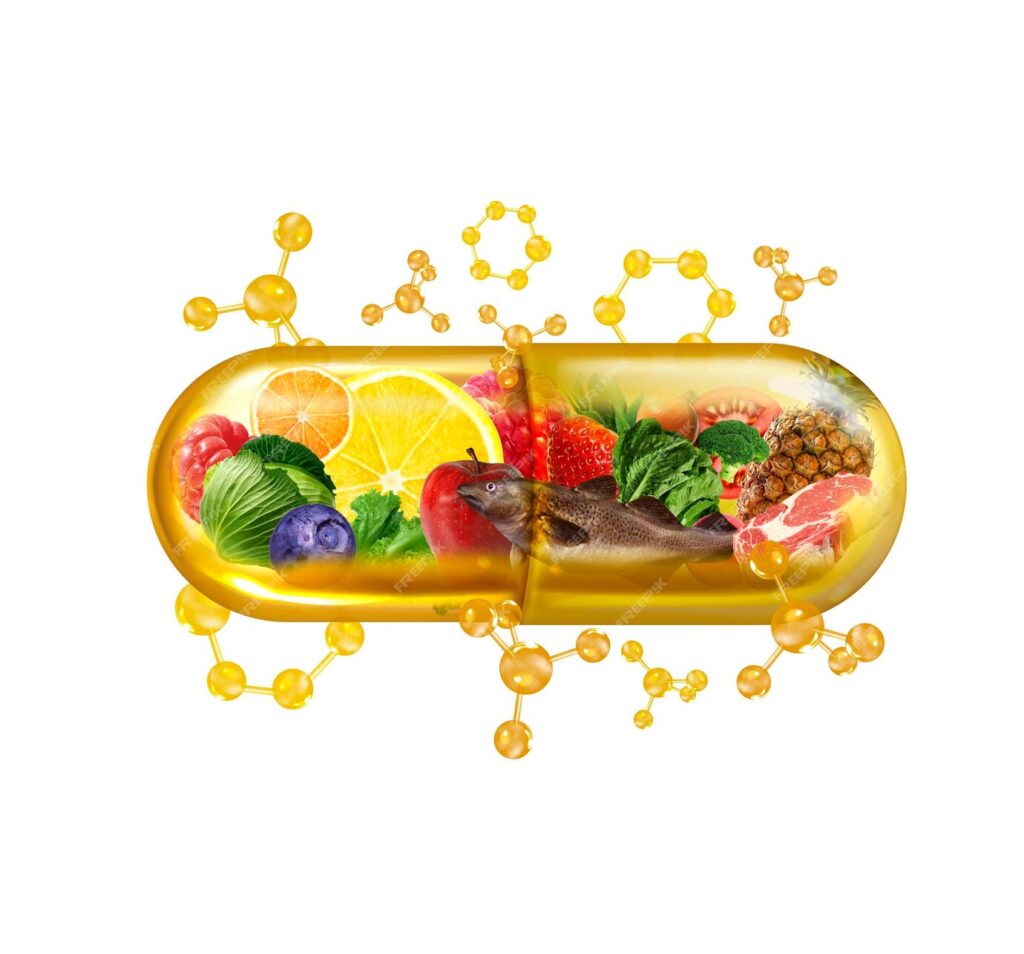
Maintaining a positive mood and mental well-being is crucial in our fast-paced and often stressful lives. Did you know that the food you eat can play a significant role in influencing your happiness? We asked our Accredited Practicing Dietitians about the connection between nutrition and mental health. They have shared insights into incorporating ‘happy hormone foods’ into your diet to promote a positive mood and overall well-being. Dietitians recommend foods that have the power to boost your mood!
Omega-3 fatty acids
Foods rich in omega-3 Fatty acids, such as fatty fish (salmon, mackerel, and sardines), flaxseeds, and walnuts, are linked to improved mood and reduced symptoms of depression.
Complex carbohydrates
Whole grains, legumes, and vegetables are excellent sources of complex carbohydrates. These foods aid in producing serotonin, promoting a stable and positive mood.
Protein-rich foods
Include lean protein sources like poultry, eggs, tofu, and dairy products. Protein contains amino acids that are building blocks of neurotransmitters, including dopamine.
Dark chocolate
Indulging in moderate amounts of dark chocolate can boost serotonin levels. For maximum benefits, choose chocolate with at least 70% cocoa content.

Fruits and vegetables
Colorful fruits and vegetables are rich in antioxidants and vitamins that support overall brain health. Berries, in particular, are linked to cognitive function and mood enhancement.
Probiotics
A healthy gut is essential for mental wellbeing. Incorporate probiotic-rich foods like yogurt, kefir, sauerkraut, and kimchi to support gut health and potentially improve mood.
Nuts and seeds
Almonds, sunflower seeds, and pumpkin seeds are excellent sources of magnesium, a mineral associated with the production of serotonin. Snack on a handful to boost your mood.
Supplements may be helpful, but some aren’t recommended for people with certain health conditions. You don’t need supplements to increase your happy hormone levels since lifestyle changes can naturally enhance them. That said, some people have used 5-hydroxytryptophan supplements to increase their levels of serotonin and improve conditions such as depression, anxiety, and insomnia.
However, there are many side effects associated with this supplement, including diarrhea, dizziness, allergic reactions, and headaches. It’s essential to exercise caution when purchasing any supplement. Since supplements are not regulated or tested by the FDA, the actual ingredients in some products may vary from what is listed on the label.
Please consult with your medical doctor before taking any supplements. If you are consistently in a low mood and finding it hard to feel better, please connect with your healthcare professional. They can test your hormone levels to see if something more serious is happening and provide appropriate treatment.
Biohacking tips for happiness hormones
How can you become happier without pills? If we create the right conditions, our body can produce “joy hormones.” Let’s share simple and effective methods!
- Wake up early and get out in the sun – morning sunlight helps synthesize serotonin and regulates circadian rhythms.

- Cold showers – the brief stress of cold increases dopamine and endorphins, which improves mood and energy.
- Deep breathing and meditation activate the parasympathetic nervous system, reducing cortisol (stress hormone) levels and promoting the synthesis of oxytocin and serotonin.
- Strength training and cardio – physical activity naturally increases endorphins, reduces stress, and improves overall health.
- Quality sleep (7-9 hours in the dark) – the absence of light during sleep stimulates melatonin production and improves the balance of all hormones.
- Hugs, massage, tactile contact – increases oxytocin levels, which helps relaxation and improves emotional well-being.
- Eat well – include bananas, eggs, oily fish, dark chocolate, nuts and fermented foods (e.g., kimchi, yogurt) in your diet to support serotonin and dopamine production.
- Avoid excess sugar and fast carbohydrates. Blood glucose spikes lead to a “roller coaster” of dopamine and fatigue.
- Music and dancing – activate pleasure centers in the brain, increasing dopamine and endorphins.
- Alternate work and rest. A reward after work (such as a walk or a favorite activity) helps keep dopamine levels stable without depleting them.
To sum up

Our emotions and physiological health are deeply connected, with neurotransmitters crucial in regulating mood. You can naturally boost your happiness hormones by incorporating simple biohacking strategies – such as morning sunlight, cold showers, exercise, quality sleep, and a nutrient-rich diet. Small daily habits can make a big difference, leading to a more balanced, positive, and fulfilling life. Join our biohacking community to get more life-changing insights, find interesting biohacking strategies and become the best version of yourself!
for subscribing!