


Biohacking Trends of 2026: The Biggest Health and Longevity Trends to Watch
Interest in optimizing health and longevity continues to grow. With the increase of life expectancy, there is also interest in improving it. Preventive medicine and improving the health of people with chronic illnesses is becoming an important issue. At the same time, smartphones, smart watches, sensors, genetic tests, CGM, and artificial-intelligence algorithms make personal health data much more accessible.
Highlights
- AI and wearables drive personalized, data‑based health optimization.
- Continuous monitoring and biological age testing gain traction but remain limited in accuracy.
- Personalized nutrition and longevity supplements like creatine, omega‑3, and NAD+ precursors rise in popularity.
- Sleep, recovery, and performance optimization through circadian tracking, light therapy, and cold/heat exposure expand.
- Preventive medicine and at‑home diagnostics grow, though validation and reliability remain key concerns.

Contents
The modern world of biohacking has dozens of ways to improve our health and productivity. To do this, enthusiasts use different formulas, ranging from changing eating habits and regular sports to supplement stacks, wearables and biomarkers monitoring.
In 2026, the main change will be a shift from individual gadgets and add-ons to data-driven biohacking. AI can analyze large amounts of information, wearable devices collect data almost continuously, and personalized platforms try to combine sleep, activity, nutrition, heart rate, and laboratory scores into a one big picture.




Biohacking Trends 2026 at a Glance
In 2026, the most notable directions are:
- AI-powered health optimization;
- Continuous health monitoring;
- biological age testing;
- Personalized meals
- longevity-focused supplementation;
- optimization of sleep and circular rhythms;
- red and near infrared light therapy;
- Optimize strength, recovery and physical fitness;
- personalized preventive medicine;
- Home and remote diagnostics.
One of the main biohacking trends today is personalization. In essence, it unites all other directions. It involves a training system, nutrition and a biohacking routine. By building protocols on the exact person instead of the general human indicators, it becomes more efficient and gives visible results.
Top Biohacking Trends of 2026
1. AI-Powered Health Optimization
AI has become a rapidly developing tool in the world of biohacking. AI health coaches can analyze data on sleep, physical activity, diet, heart rate and other indicators, and then form personalized recommendations. At a time when it is difficult for an individual to monitor large amounts of information, AI health coaches can do so quickly and accurately. Such assistants analyze sleep, physical activity, diet, heart rate, and other metrics and then form personalized recommendations. Studies of AI-personalized nutrition, showed improvement in a number of metabolic outcomes in most papers, although the authors emphasize the need for longer studies.
It is important to understand that most AI health solutions are still in the early stages of clinical validation. They are good at analyzing patterns and behavioral recommendations, but are not always able to take into account medical nuances, accompanying diseases, or individual limitations. Therefore, they are more likely to help the live practitioner gather more data and find additional solutions to the problem. So it is worth remembering that AI is a tool that must be in the skilled hands of a specialist. While this approach looks promising, there are no common standards for LLM-based health coaches to assess safety and clinical efficacy.
2. Continuous Health Monitoring
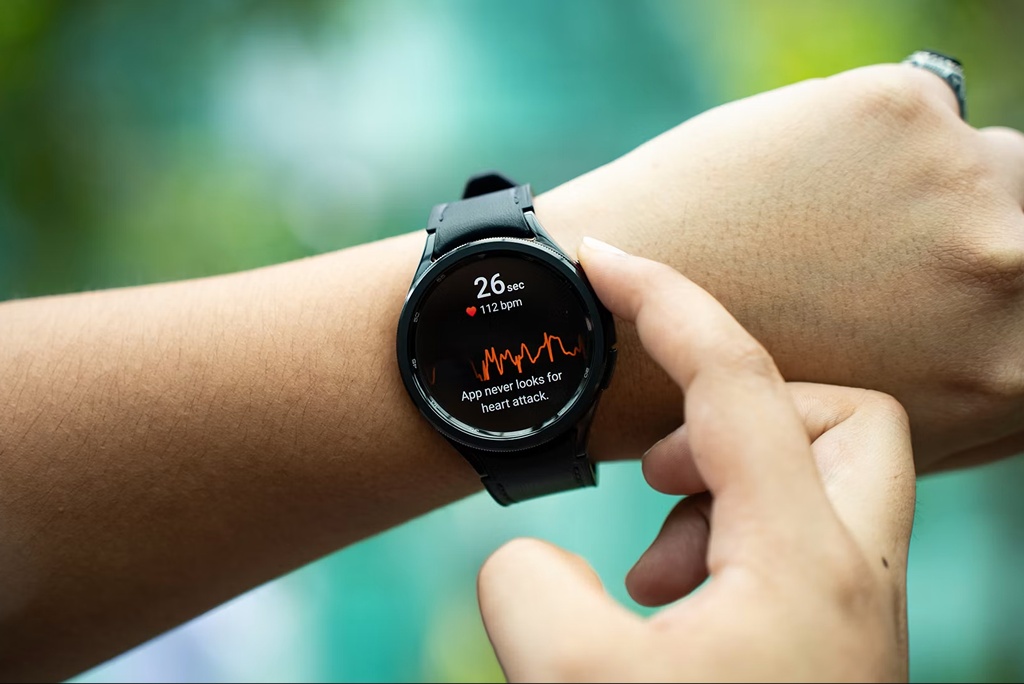
Monitoring your data is quite a popular area in biohacking 2026. There are numerous gadgets for this: smartwatches and rings, headbands to help track the sleep cycle and a heart rate monitor for running. All of them aim to provide the most accurate health indicators. This is particularly important for identifying gradual changes, such as a decline in sleep quality or an increase in baseline stress. The most popular indicators for tracking are:
- CGMs – to control sugar spikes, prevent unsafe states, adjust medication doses and understand how food, exercise, and stress affect the body
- HRV – to assess stress levels, monitor recovery from exercise, monitor overall health and detect fatigue or hidden illnesses early by changing heart-stroke intervals
- Sleep tracking – to understand the quality of rest, find a connection between habits and well-being, and also to notice in time the disturbances in the body
While knowing your data 24/7 may seem tempting, still such an approach requires caution. Although devices show general activity rates fairly accurately, parameters such as sleep stages or energy consumption may differ significantly from clinical measurements. Such a tool is useful for forming healthy habits, but still the most important indicator of your health remains the inner feeling.
3. Biological Age Testing
This expression is frequently used in the biohacking community. It is assumed that the biological age differs from the numerical one that we have in our passport. Techniques are used to determine a person’s biological age, which is based on the epigenetic clock and analysis of DNA methylation patterns, along with a set of blood biomarkers and physiological markers. Such approaches also help to understand the potential speed of aging, given both genetics and a person’s daily habits.

Still, this trend is quite complex. Age-related patterns may lead to different outcomes in the same person, and the connection between these patterns and actual life expectancy is still under investigation. This means that by 2026, such examinations are considered an indicator for observation, but not an accurate predictor of health and life expectancy.
4. Personalized Nutrition
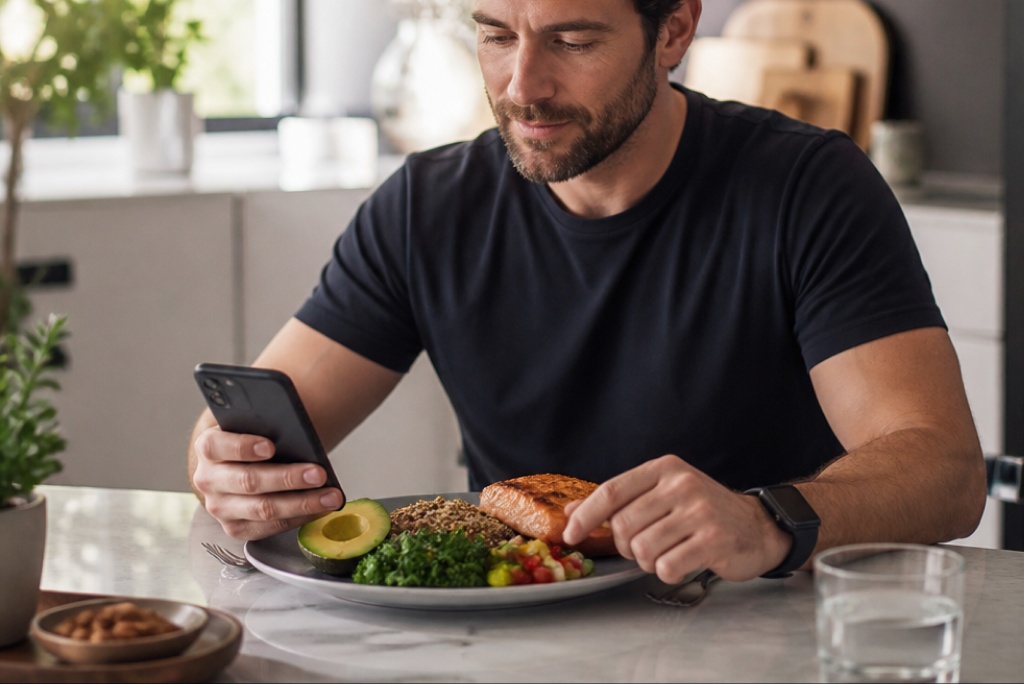
Nutritionists are increasingly coming to the conclusion that a one-size-fits-all diet does not work. Each body is unique and therefore, in order for nutrition to work towards improving your condition, it should be personalized. This uses data on body composition, lifestyle, glucose, genetics and gut microbiota. The basic idea is that every person reacts to the same diet differently. At the same time with such knowledge the chance to predict the reaction rises. CGM devices, microbiome tests and learning AI algorithms allow the formation of individual nutrition recommendations.
The PREDICT study showed significant individual variability in metabolic response to similar products, with participants reacting differently to the same meals in terms of glucose, insulin, and triglycerides. Microbiota features can help predict individual reactions to food fibers. Based on this data, researchers developed machine learning models to predict individual responses to diet. More recent studies continue to test this concept.
However, the scientific base of this direction remains heterogeneous. Although studies confirm the variability of metabolic reactions, the practical benefits of many commercial tests are still limited. In most cases, basic principles of healthy eating work better than complex schemes.
5. Longevity-Focused Supplementation
In our rush to speed up our lives, we often pay little attention to the quality of the diet. This can lead to deficiencies in the macro- and micronutrients our bodies need. That is where supplements come in. One of the latest biohacking trends is longevity focus supplements, which will not only help you with deficits, but slower aging. In 2026, special attention is paid to compounds that influence cellular metabolism, such as the precursor NAD+ (NMN / NR), antioxidants, creatine and some plant extracts. Their popularity is largely due to research on biomarkers of aging and energy exchange. Among the most proven are creatine, omega-3, and D, magnesium or vitamin deficiency correction. Creatine shows real gains in muscle strength and growth, and helps maintain them for older people. The same can be said for magnesium, whose intake has a positive effect on the nervous system and cognitive functions.
With the NAD+ direction, the situation is much more complicated. NMN and NR may indeed increase NAD-related metabolite levels in humans, but this does not yet mean slowing aging. Even if the supplement increases the level of a certain substance in the body, it does not guarantee an increase in life expectancy or lower risk of disease. Therefore, most longevity technology in 2026 remains in the category of promising but not conclusively proven.
6. Sleep Optimization
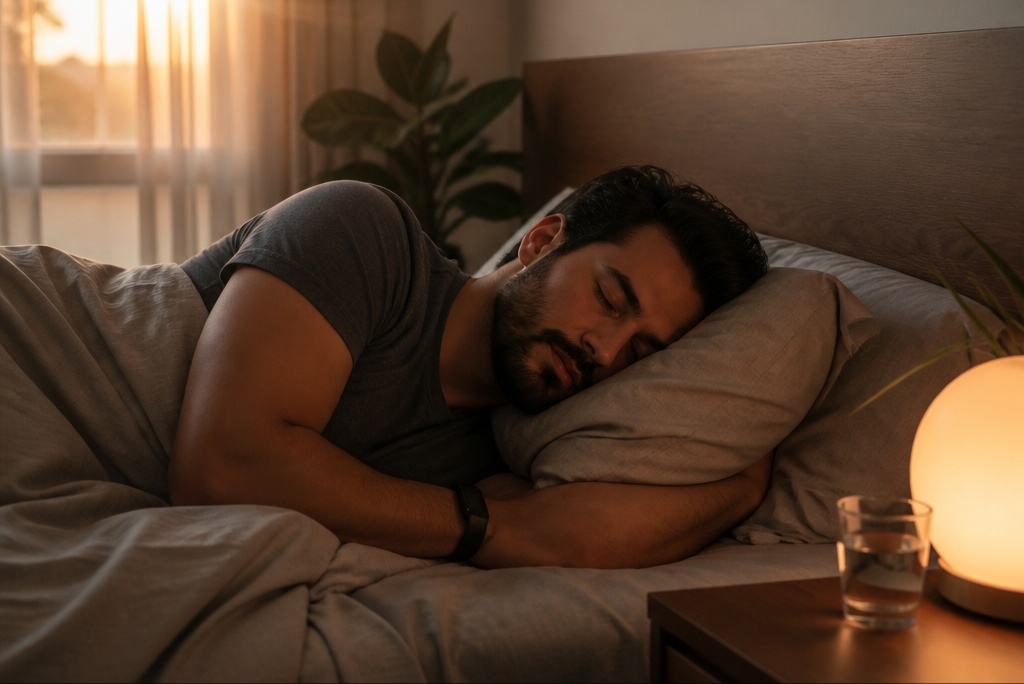
Sleep plays a major role in the life of every person. It is not surprising that it is given special attention by biohackers. Such monitoring includes all its aspects: duration, regularity, circadian rhythms, and quality of recovery during sleep. For this purpose, special wearable devices are used to help track common patterns. Many external factors influence healthy sleep. For example, the optimal temperature is 18-22 °C for adults. And the moment of darkness is also important. If you are having trouble sleeping, try hanging curtains in your bedroom that don’t let light through.
Equally important is waking up. To make it a pleasant part of the morning routine, consider alarm clocks simulating sunrise. Such devices help the body to wake up naturally and do not throw it into stress with loud noises.
Still we should consider the limitations of technology. Most consumer sleep trackers cannot accurately measure sleep stages at the level of medical polysomnography. Their data should therefore be used as a guide for long-term trends, rather than as an accurate clinical diagnosis.
7. Red and Near-Infrared Light Therapy
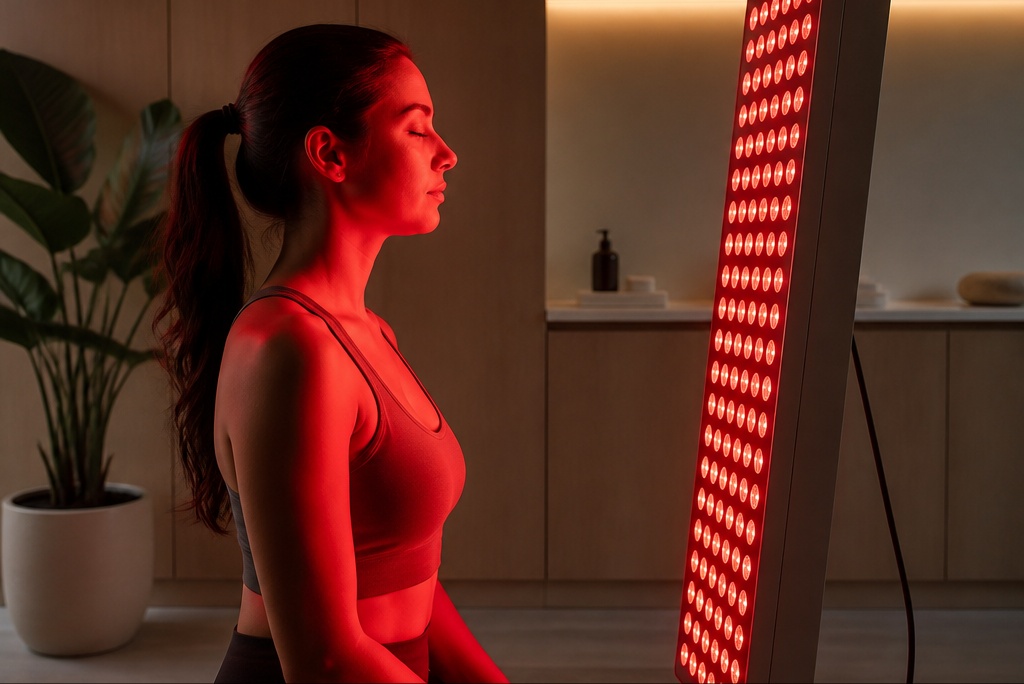
Phototherapy with red and near-infrared light has become a popular recovery and wellness tool. It is believed that a certain wavelength can influence mitochondrial activity, inflammatory processes and tissue regeneration. Such devices can be found both in professional clinics and in the home market. They will vary in the intensity of radiation and the types of light. This biohacking technology is used to recover from physical exertion, support skin, relieve pain, and increasingly in sleep optimization protocols.
Despite growing interest, the evidence base remains mixed. Some studies show potential benefits for sleep, recovery and skin conditions, but the results depend heavily on the protocol, dosage and quality of the device. Still, such procedures should be considered in conjunction with the basic routine.
8. Strength, Recovery and Performance Optimization
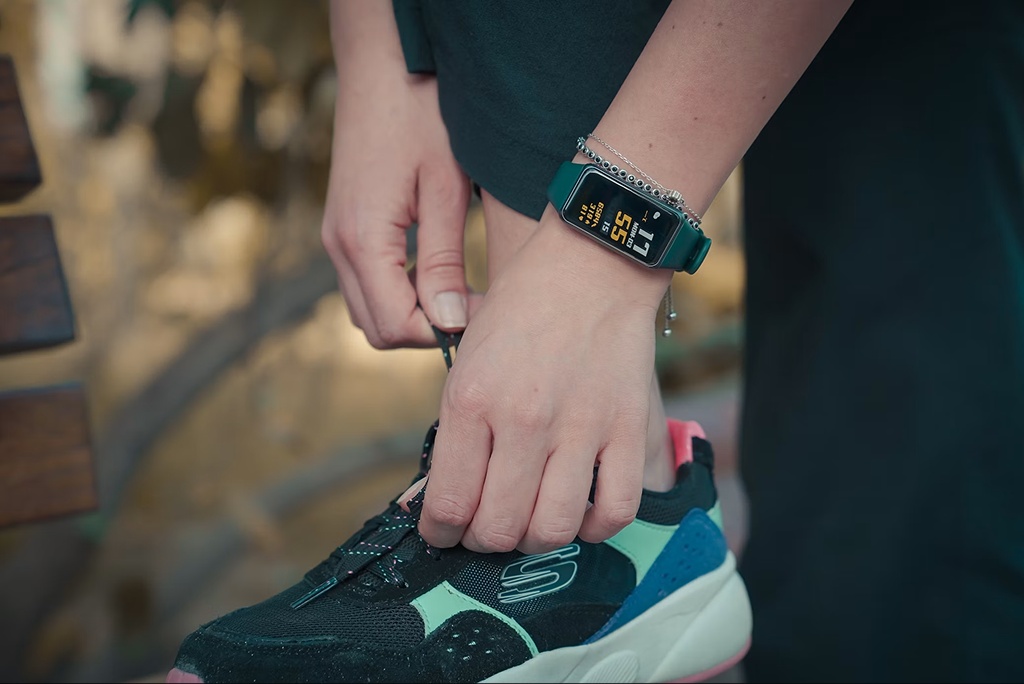
Physical activity remains at the top of longevity trends 2026. It is one of the most practical and has a good evidence base. Strength training helps maintain muscle mass and strength, aerobic exercise improves cardio-respiratory fitness, and VO max is one of the most studied indicators of physical fitness and long-term risk.
Athletes increasingly resort to cold exposure. Such activities include ice baths, cryotherapy, and soaking in cold water. After such procedures, the parasympathetic response is increased, and there is also improvement in skin condition. At the same time, the opposite procedures – hot exposure like a sauna – are gaining popularity. They help improve blood circulation and relax muscles after hard workouts. Still, it is worth noting that the optimal frequency and duration of both have yet to be determined.
Increasingly, coaches prefer personalized exercise protocols. Such an approach makes it possible to gather the most accurate data about the human body and create an effective program. With the help of pulse oximeters, PRG and similar metrics, calculating which loads would be more efficient for a particular athlete becomes more realistic.
9. Personalized Preventive Health
Increasingly, science and medicine are focusing on personalized protocols. These health optimization trends help to predict possible diseases and risk factors, as well as adjust human behaviour to improve current health. Instead of one annual study, you can use a combination of clinical and laboratory data: blood pressure, lipid profile, HbA1c, glucose, organ function indicators, and other biomarkers depending on age and risk factors. Constant testing biomarkers help you monitor your health in the dynamic and understand what needs to be adjusted in your everyday routine. Precision medicine adds genetic, family, and health information to this, allowing for more personalized prevention strategies. Still, it is worth remembering not to overdo the analysis. Too many tests can be worrisome and fail to produce real results.
10. Digital and At-Home Health Testing
Home diagnostics began to gain popularity even during the time of Covid19 and in a convenient and quick way to learn basic data. So you can collect capillary blood and get results through digital platforms. You can also combine lab results with data from wearable devices and get the most comprehensive picture of your health. Some methods of extracting capillary blood can yield fairly accurate results. However, it is worth remembering that quality depends significantly on the way a sample is stored and processed. And such a method may not be suitable for everyone; people who are afraid of seeing blood or have increased pain sensitivity may not cope with it. It is also important to consider the factor of sterility, which is still higher in a health facility. In this case, you can limit yourself to measuring wearable devices such as the Oura Ring or WHOOP bracelets. Such devices help to know the body’s basic metrics and even predict a cold. Users have noted cases where, days before flu symptoms appeared, such gadgets warned about health.
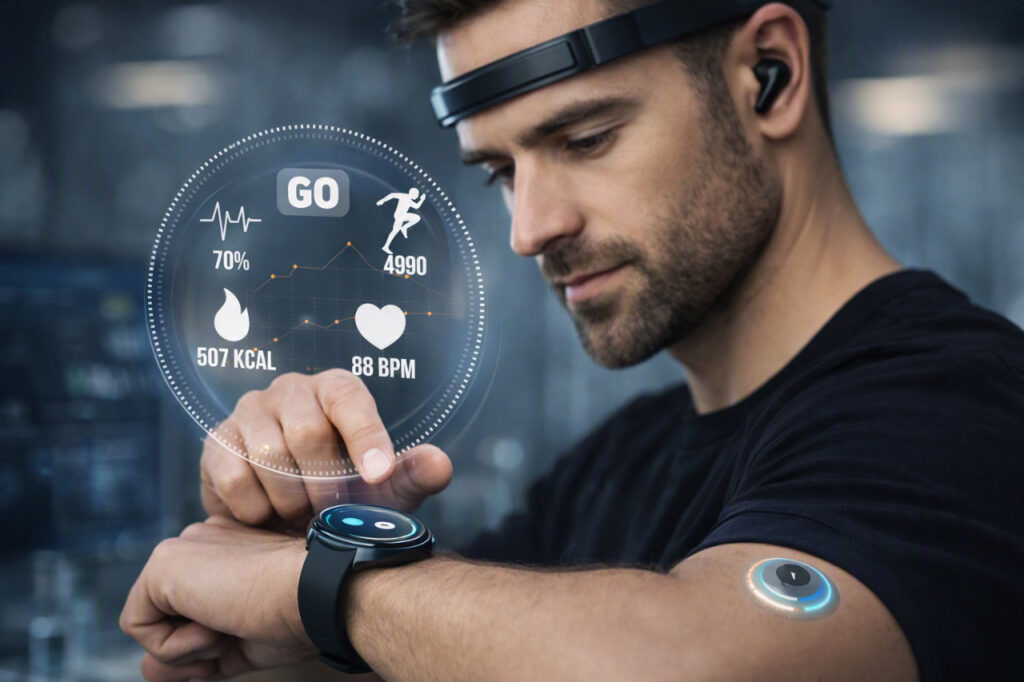
Another important step is to combine at-home testing with remote health monitoring and AI. In theory, this would allow not just to obtain a single analysis result, but to see its dynamics together with sleep, activity, nutrition and other data. But here the quality of the test and interpretation is especially important: the commercial result does not equal the medical diagnosis. Studies of home tests already reveal problems with accuracy and instructions, so the consumer should choose methods with understandable analytical validation and not make serious medical decisions based only on one consumer test.
Which Biohacking Trends Are Actually Backed by Science?
As you may notice, trends vary widely. However, it is worth understanding which of them have a stronger evidence base.
|
Trend |
Evidence Level |
What Research Shows |
Main Opportunity |
Key Limitation |
|
Wearables |
Strong / Moderate |
Wearable activity trackers can increase daily steps and moderate-to-vigorous physical activity, although effects vary between users and interventions. |
Health monitoring, activity tracking, behavioural change |
Consumer devices do not replace clinical diagnostic equipment, and accuracy varies between metrics and devices. |
|
Exercise Optimization |
Strong |
There is a large body of evidence that strength training and aerobic exercise improve physical fitness, muscle maintenance, metabolism, and healthy aging; moreover, cardiopulmonary fitness is highly correlated with future health status. |
Fitness, healthy aging, longevity |
Exercise protocols still need to be adapted to individual fitness level, age, goals, and health status. |
|
Sleep Optimization |
Strong |
Sleep, along with sufficient and proper sleeping hours, is proven to be beneficial for health, and light exposure and circadian rhythm regulation may affect sleep timing and quality. |
Recovery, cognitive function, metabolic and overall health |
Sleep trackers cannot reliably reproduce all measurements obtained through clinical sleep studies. |
|
CGM for Healthy Adults |
Emerging |
Continuous glucose monitoring can provide data about personal responses to food intake, physical activity, and everyday activities; however, the health effects of these devices in non-diabetic patients require more research. |
Metabolic insights, personalized nutrition |
It has not yet been established that continuous CGM use improves long-term health outcomes in healthy adults. |
|
Biological Age Testing |
Emerging |
Epigenetic clocks and other aging biomarkers are linked with mortality, disease development, and some features of biological aging; however, different models may produce different results. |
Aging assessment, tracking biological changes |
A reduction in measured biological age has not yet been proven to translate into longer lifespan. |
|
AI Health Optimization |
Emerging |
AI can process large amounts of health data and generate personalized recommendations. It could potentially be helpful but research is still in early stages. Potential benefits are personalized health and nutrition management. |
Personalized insights, health-data analysis, predictive recommendations |
Algorithmic bias, privacy concerns, inaccurate recommendations, and limited long-term clinical evidence remain important limitations. |
|
NAD+ Interventions |
Emerging |
NMN and NR can increase NAD-related metabolites in humans, but evidence for meaningful improvements in aging, physical function, or longevity remains inconsistent. |
Cellular health, metabolic and longevity research |
There is currently no convincing evidence that increasing NAD+ levels extends human lifespan. |
|
Red Light Therapy |
Emerging |
Photobiomodulation might help with recovery, pain, skin health, and potentially sleep as infrared light goes deep into the tissue and relaxes them. Also it shows noticeable results with acne recovery and skin rejuvenation. |
Recovery, skin health, wellness |
Results depend on wavelength, dose, treatment duration, and target tissue, and optimal protocols are not yet standardized. |
These levels are not definitive. As more randomized trials and long-term data emerge, some trends may shift from emerging to higher or less efficient. So it is worth doing your own research from time to time.
Biohacking Trends: Hype vs. Reality
As today biohacking is very popular among celebrities and was included in the world’s pop culture, it is worth remembering that some trends and marketing moves are not worth our attention. Of course, it is not easy to separate truly beneficial trends from these. For example, some are becoming popular long before existing studies confirm their benefits. This is because humanity is constantly trying to find the most magical pill that can improve health and help youlose weight for multiple uses. And the market tries to give that pill, without a glance at scientific evidence.
It is also worth noting that not all promising research denotes proven outcomes. For example, you see studies of NAD and certain peptide chains done in mice. And they really showed good results such as slower aging and better tissue regeneration. But there is also no indication of how positively these data have been transferred to humans. This means that such research should be monitored, but the use of such technologies should be delayed.
To preserve your health, remember that you can only use proven and safe trends. Any substance that enters your body must undergo a sufficient number of clinical trials and have proven outcomes. Only then will the risk of unexpected side effects be minimized.
How to Start Biohacking in 2026
Now that we’ve gone over the main trends, let’s figure out what to do for newcomers. Suppose you’re taking your first steps in biohacking. At this stage, it’s important to get used to a new lifestyle and not overburden yourself with complicated terms.
Here is a beginner roadmap:
- Improve sleep. Be conscious of your sleep phases and block blue light from your screen before going to bed.
- Exercise consistently. Your workout should be joyful and often, so it will be your routine.
- Optimize nutrition. It should be balanced with protein, carbohydrates and fats.
- Track basic health metrics.
- Consider wearable technology. Gadgets show permanent body data, it is especially useful for the workout.
- Test relevant biomarkers. Blood tests and CGM help you understand your body state.
- Introduce advanced interventions gradually. Don’t overweight yourself with biohacking technologies. The best option is to have stable healthy habits at first.
To get to advanced biohacking you should build on healthy fundamentals. Therefore, do not implement all activities at once, the main thing is to be consistent and slightly improve your routine.
What’s Next for Biohacking?
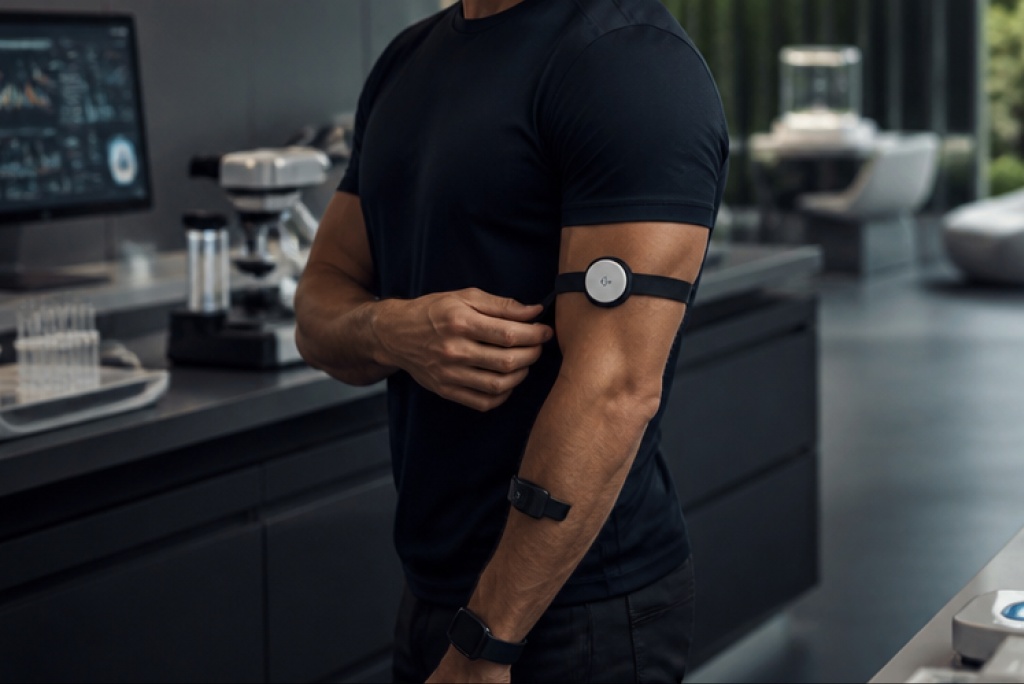
It is not easy to predict the development of biohacking innovations as the term covers various fields. The industry continues to develop, but some studies are physically lagging behind the market. So we get quite a lot of new supplements, beauty procedures and exercises that have not passed all clinical studies. Also, AI is becoming one of the important directions in the world of biohacking. AI-powered personal health assistants will be able to analyze sleep, physical activity, laboratory performance, diet, and the history of change simultaneously. Still, AI should be treated as a useful tool rather than a full-fledged substitute for living professionals.
Cheaper diagnostic technologies will allow some measurements to be made more frequently, and new sensors will bring us closer to real-time biomarker monitoring. There is both a positive and a negative side to this. Not everyone may need ongoing monitoring. A healthy person does not need so much health analysis. It is also important to note that in cases of elevated anxiety or hypochondria, such testing may even be harmful. It is therefore important to be conscious and critical of all data. For healthy adults it is enough to monitor biomarkers once or twice in a year.
Digital twins have become an even more ambitious concept for the future of biohacking. It is the creation of a digital model of your body that can potentially simulate a reaction to dietary changes, exercise, or therapy. At the moment, this is still a promising direction rather than a real tool to use.
The direction of personalized longevity medicine is also one of the most interesting in the scientific environment. As we age, we come to the problem of quality of life. The term is used to combine genetic data, metabolic biomarkers, medical history and behavioural data into a single risk assessment system. It is a way of creating a unique system for prolonging human life through individual protocols. In theory, this approach would help to improve the condition of older people and preserve their cognitive abilities.
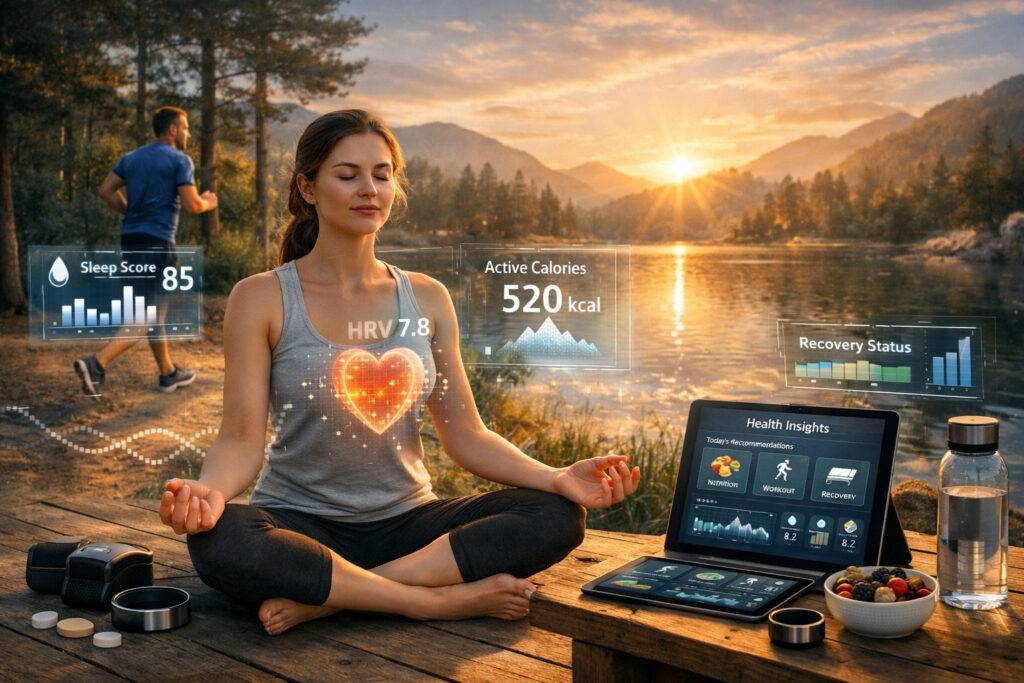
Biohacking in 2026 becomes more researched. The idea of finding a secret substance or technology is being replaced by an approach based on measurement, personalization, and validation of results. The most reliable directions are related to physical activity, sleep, nutrition and preventive health monitoring. Wearables and AI can make these processes more personalized, while CGM, biological age testing, NAD+, photobiomodulation and other technologies remain actively developing.
The future of biohacking is becoming more personalized, data-driven, and focused on measurable health outcomes – not simply trying the latest trend. It is the ability to distinguish a proven tool from an attractive, but as yet unconfirmed hypothesis that has become a major skill of a modern biohacker.
for subscribing!