


How to Recover From Lack of Sleep
Sleep is a fundamental aspect of human health that plays a crucial role in physical, mental, and emotional well-being. Sleep deprivation, a condition characterized by insufficient sleep, can have significant consequences for overall health. This article aims to provide a comprehensive overview of sleep deprivation, including its definition, causes, symptoms, diagnosis, treatment options, complications, prevention strategies, and prognosis. Understanding sleep deprivation enables individuals to take proactive steps to improve their sleep quality and overall health.
Highlights
- Sleep debt happens when your body does not get enough rest regularly.
- Lack of sleep affects mood memory and overall cognitive function.
- Maintaining a regular sleep schedule and taking short naps helps your body rest and avoids fatigue.
- Tracking sleep with devices or apps helps spot hidden sleep problem.
- Recovery from long-term sleep debt requires several weeks of regular sleep.

Contents
What Is Sleep Debt?
Sleep deprivation occurs when a person does not get enough sleep to meet their body’s needs. It can result from a variety of factors, including lifestyle choices, medical conditions, or environmental influences. The National Sleep Foundation (NSF) recommends that adults aim for 7-9 hours of sleep per night, while children and teens need even more. Chronic sleep deprivation can lead to several health problems, affecting cognitive function, mood, and physical health.
What Causes Sleep Debt?
Infectious/Environmental causes
Some infectious agents and environmental factors can contribute to sleep deprivation. For example, illnesses such as the flu or the common cold can disrupt sleep patterns, with symptoms including cough, fever, and body aches. Environmental factors such as noise pollution, extreme temperatures, or uncomfortable sleeping conditions can also interfere with achieving restful sleep.
Genetic/Autoimmune causes
Genetic predisposition may play a role in sleep disorders that lead to sleep deprivation. Conditions such as narcolepsy, which is often hereditary, can cause excessive daytime sleepiness and disrupted nighttime sleep. Autoimmune diseases such as rheumatoid arthritis or lupus can also interfere with sleep due to pain and discomfort.
Lifestyle and dietary factors
Lifestyle has a significant impact on sleep quality. Factors such as excessive caffeine or alcohol consumption, irregular sleep schedules, and lack of physical activity can contribute to sleep deprivation. In addition, eating habits, such as a heavy meal shortly before bedtime, can disrupt sleep patterns.


Key risk factors
- Age: older adults often experience changes in sleep patterns, increasing their risk of sleep deprivation.
- Gender: women are more likely to experience sleep disruption due to hormonal changes, especially during menstruation, pregnancy, and menopause.
- Geographic location: people who live in urban areas may be exposed to more environmental stressors, such as noise and light pollution, that affect sleep quality.
- Underlying conditions: chronic medical conditions such as diabetes, heart disease, and mental disorders can contribute to sleep deprivation.
Sleep Debt Symptoms
Lack of sleep can manifest in a variety of ways, including:
- Fatigue: constant tiredness and lack of energy.
- Irritability: increased mood swings and emotional instability.
- Cognitive impairment: difficulty concentrating, memory problems, and decreased decision-making ability.
- Physical symptoms: headaches, muscle tension, and gastrointestinal problems.
- Sleep disorders: increased likelihood of insomnia or other sleep-related problems.
Effects of Sleep Debt
Even a few hours of sleep deprivation can make you feel drowsy and confused. The effects of sleep deprivation can also disrupt hormone levels, leading to problems with coordination, heart health, and the ability to resist disease. According to research, students who stay up all night studying do not perform better on the next day’s exams.
Studies show that people with insomnia are twice as likely to be depressed. However, there is also an inverse relationship – 80% of patients with this disease cannot get enough sleep. That is, lack of sleep can be a symptom of mental health problems, but it also contributes to their occurrence.
Sleep debt can also cause other problems:
- blurred vision;
- memory lapses;
- impaired reactions;
- dark circles under the eyes;
- drooping eyelids;
- pale skin;
- redness of the eyes;
- swelling of the eyes.
A lack of quality rest can lead to high blood pressure, according to one study.
Additionally, chronic sleep disorders can increase the risk of arrhythmia (irregular heart rhythm), obesity, and type 2 diabetes, which can contribute to heart disease.
How to Recover from Sleep Debt

It can take up to 4 days to recover from 1 hour of sleep debt and 9 days or more to fully recover from lack of sleep.
Medical Treatment
Methods to fix sleep deprivation may include medication or therapy aimed at addressing the underlying problem or improving sleep quality. Common medical treatments include:
- Sleep aids: prescription medications such as benzodiazepines or nonbenzodiazepine sleeping pills may be used for short-term treatment.
- Cognitive-behavioral therapy for insomnia (CBT-I): a structured program that helps people identify and change thoughts and behaviors that contribute to sleep problems.
Non-Drug Treatments
In addition to medication, several non-drug approaches can help improve sleep quality:
- Lifestyle changes: establishing a regular sleep schedule, creating a relaxing bedtime routine, and limiting screen time can promote better sleep.
- Dietary changes: eating a balanced diet and avoiding heavy meals, caffeine, and alcohol before bed can improve sleep quality.
- Alternative treatments: practices such as yoga, meditation, and acupuncture can help reduce stress and improve sleep.
Let’s dive in deeper and discover more about basic methods of recovery.
Increase Sleep Duration
Research shows that deep sleep should make up at least 23% of your total nighttime rest. If you sleep for eight hours, deep sleep typically lasts between 1 and 2 hours. Shorter periods can lead to symptoms of sleep deprivation, including memory and concentration problems, mood swings, and fatigue. So, if you feel sleep-deprived and groggy in the morning, this could be the main cause.
Finnish biohacker Jonas Kerne spent 18 months monitoring his sleep quality and noticed a disturbing detail: sometimes he didn’t get even a minute of deep sleep throughout the night, and on his best days, this phase lasted no more than 30 minutes. So, when Jonas had the chance to test several non-invasive brain stimulation devices at the Biohacking Center in Helsinki, he decided to run an intensive sleep-optimization experiment.
According to Jonas, the experiment demonstrated that the biohacking devices he tested actually work. Despite enduring work-related stress during the testing period, he achieved his goal. He began sleeping much better than during calmer periods, setting a record for the duration of deep sleep.

Increase sleep duration by maintaining a consistent, early bedtime, optimizing your bedroom environment (cool, dark, quiet), and managing caffeine and alcohol intake. Aim for a relaxing pre-sleep routine, such as reading, to help you fall asleep faster. Regular exercise improves sleep quality, but avoid intense workouts close to bedtime.
Take Short Naps
A short nap (15-30 minutes) during the day, known as a Power Nap, helps the body quickly recharge, improving alertness, cognitive function, and mood without leaving you feeling drained. This method improves brain function, reduces stress, supports heart health, and helps combat the afternoon productivity slump.
This type of nap can be beneficial even for those who don’t suffer from sleep deprivation, as it helps the body replenish its energy under any circumstances.
For maximum effect, it’s recommended to nap for 15-20 minutes. Naps longer than 30-40 minutes can lead to deep sleep, leaving you feeling groggy upon awakening. The best time to nap is between 1:00 PM and 3:00 PM.
Maintain a Consistent Sleep Schedule
A sleep schedule combats sleep deprivation by synchronizing your circadian rhythm (the body’s clock) with your daily routine, improving sleep quality, and helping you fall asleep faster. A consistent bedtime and wake-up time, even on weekends, reduces stress hormone levels, normalizes neural regeneration, and eliminates chronic sleepiness.
If your daily routine is currently less than ideal, normalizing your sleep schedule can help reduce individual risks and improve your health.
Support Your Circadian Rhythm
Your circadian rhythm is the pattern your body follows based on a 24-hour day – it’s the name given to your body’s internal clock. This rhythm tells your body when to sleep and when to wake up. It also affects several other body processes, such as your hormones, digestion, and body temperature. It’s like you have a tiny conductor inside your body, orchestrating a 24-hour symphony of biological processes.
Your body sets your circadian rhythm naturally, guided by your brain. But outside factors, like light, can affect the rhythm, too. For example, when light enters your eye, cells send a message to your brain that it can stop producing melatonin (a hormone that helps you sleep).
Support your circadian rhythm by anchoring your daily schedule with consistent sleep/wake times and ample morning light. Boost wakefulness with early sunlight and physical activity, then reduce blue light and dim lights in the evening. Keep meals regular, avoid late-night caffeine/alcohol, and maintain a cool, dark sleep environment.
Tools and Habits That Help Fix Sleep Debt

Recovering from sleep deprivation isn’t just about sleeping in more on the weekends. What’s more important is your daily habits and environment, which either help your body recover or constantly hinder it.
One of the first steps is to control your caffeine intake. Studies show that even daytime or afternoon caffeine consumption can increase the time it takes to fall asleep, reduce sleep duration, and impair sleep quality. That’s why it’s a good idea to limit coffee and energy drinks to the afternoon, ideally 6-8 hours before bedtime.
Another important factor is your diet. A heavy or late dinner strains your digestion and can interfere with deep sleep, leading you to wake up during the night. Eating a light meal a few hours before bed is a better strategy.
Stress is another “invisible enemy” of sleep. High levels of stress are directly related to poor sleep quality, so evening relaxation rituals (a warm shower, reading, breathing exercises) are not just a nice bonus, but part of effective sleep hygiene.
The environment plays a separate role. A dark, quiet, and cool bedroom helps the body produce melatonin and enter the recovery phase faster. Simple solutions can help here: blackout curtains, earplugs, or white noise, as well as modern gadgets, from sleep trackers to “smart” masks or lamps with warm light.
Additional habits that are often underestimated include:
- a consistent sleep schedule, even on weekends;
- limiting screen time to 1 hour before bed;
- taking short naps instead of long naps;
- morning light (sun or bright lights) to “reset” circadian rhythms.
In sum, these small changes work as a system: they don’t just help you fall asleep faster, but gradually “return” your body to a normal rhythm without the sudden and exhausting effort of trying to catch up on sleep debt in one night.
How Long Does It Take to Make Up Sleep Debt

Research has shown that it can take up to 4 days to recover from 1 hour of lost sleep and up to 9 days to completely eliminate sleep debt. The prognosis for sleep deprivation depends largely on the underlying cause and the effectiveness of treatment. Many people can recover from acute sleep deprivation with lifestyle changes and appropriate treatment. However, chronic sleep deprivation may require ongoing intervention and monitoring.
Several factors can affect the overall prognosis, including:
- Early diagnosis: early detection and correction of sleep deprivation can lead to better outcomes.
- Treatment adherence: following recommended treatment plans and lifestyle changes can significantly improve sleep quality and overall health.
Short-Term Debt
Short-term sleep deficits – such as a few nights of sleep deprivation – are usually recovered relatively quickly. Studies show that the body compensates for the loss by getting deeper sleep phases (especially slow-wave sleep) on subsequent nights.
In practice, this means that 1-2 nights of quality, slightly longer sleep can significantly improve well-being, concentration, and energy levels. However, it is important not to just “sleep through” but to create conditions for deep recovery – a stable schedule, darkness, and the absence of stimulants.
Interestingly, even after partial recovery, some cognitive functions (such as reaction speed or attention) may remain reduced for several more days. That is, you already feel better subjectively, but your body is still “catching up.”
Long-Term Debt
With long-term sleep deficits, everything is more complicated. If sleep deprivation lasts for weeks or months, full recovery can take much longer – sometimes several weeks of regular, stable sleep.
Research shows that irregular sleep patterns can further disrupt circadian rhythms and reduce the quality of recovery.
A more effective approach is to gradually return to a stable schedule:
- a fixed time for falling asleep and waking up;
- a sufficient amount of sleep every night (rather than sporadically);
- supporting circadian rhythms through light, movement, and nutrition.
It’s important to understand that, with chronic sleep deprivation, the body adapts and “downplays” fatigue, which is why a person may underestimate their level of exhaustion. That’s why systematic sleep recovery is not a quick fix, but a process that requires consistency.
How to Prevent Sleep Debt in the Future
Preventing sleep deprivation involves adopting healthy sleep habits and lifestyle choices. Here are some effective strategies:
- Establish a sleep schedule: go to bed and wake up at the same time every day, even on weekends.
- Create a sleep-friendly environment: make sure your bedroom is dark, quiet, and cool. Consider using blackout curtains and white noise machines if needed.
- Limit stimulants: reduce your caffeine and nicotine intake, especially in the hours before bed.
- Get regular exercise: regular sports can help improve sleep quality, but avoid strenuous exercise right before bedtime.
- Practice relaxation techniques: incorporate practices such as deep breathing, meditation, or gentle yoga into your evening routine.
In addition to the strategies above, consider the following recommendations to get rid of sleep debt:
- Immunizations: stay up to date on your vaccinations to prevent diseases that can disrupt your sleep.
- Hygiene: maintain good sleep hygiene by keeping your sleep environment clean and organized.
How much sleep do you need?
As we said earlier, according to the National Sleep Foundation, most people need at least seven hours of sleep. However, needs vary depending on genetic, behavioral, and age factors.
- Newborns up to 3 months old should sleep 14 to 17 hours each day.
- Toddlers aged 1 to 2 years need 11 to 14 hours of sleep.
- Preschoolers aged 6 and under should sleep 10 to 13 hours each day.
- School-age children up to 13 years old need 9 to 11 hours of sleep.
- Teenagers aged 14 to 17 should sleep 8 to 10 hours each day.
- People aged 18 to 64 should get 7 to 9 hours of sleep each night.
- Adults over 65 should get 7 to 8 hours of sleep each night.
Sleep Tracking Devices and Apps
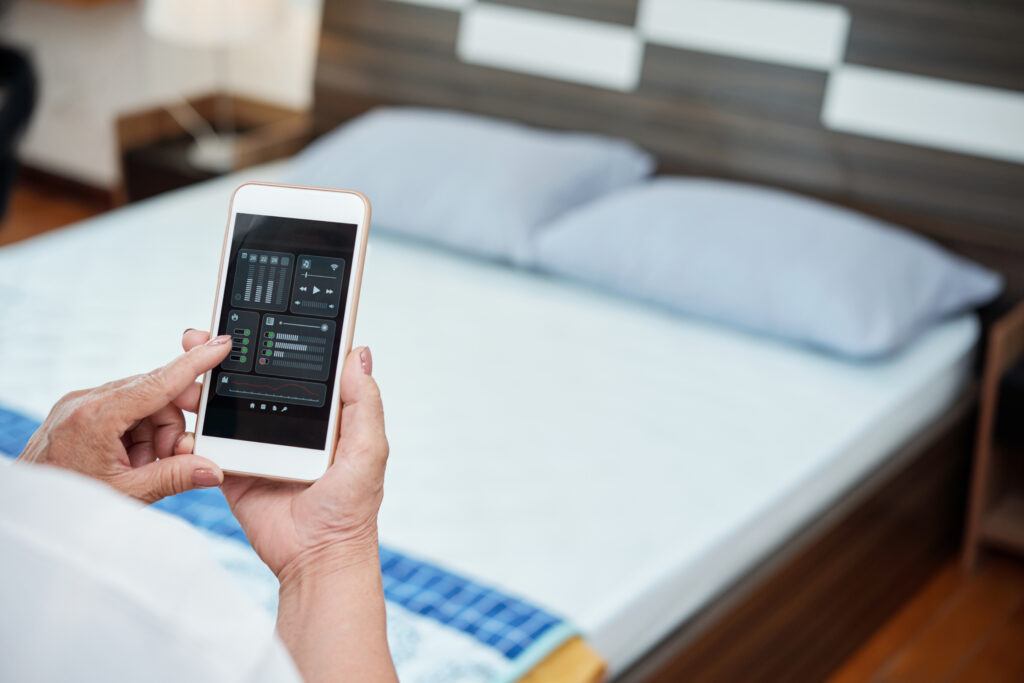
Modern sleep-tracking technologies have become one of the key tools in sleep biohacking – not only for observation, but also for improving its quality. Their main value is in the ability to transform sleep from a “subjective feeling” into measurable data.
Most devices and apps track basic and advanced indicators, including sleep duration, sleep phases (light, deep, REM), heart rate, heart rate variability (HRV), movements, and even body temperature.
Wearables: rings, bracelets, watches
The most popular category is wearable devices (for example, Oura Ring, Whoop, or Fitbit). They use motion sensors and biometric data to generate a so-called sleep score and recovery recommendations.
Their key advantage is continuous data collection and the ability to see the relationships among sleep, stress, and lifestyle.

Non-wearables: under-mattress sensors and smart systems
An alternative for those who don’t like wearing gadgets is contactless trackers (for example, under-mattress sensors or smart beds). They analyze breathing, movements, and heart rate without direct contact with the body.
Some systems even automatically adjust the bed temperature or body position, which directly affects the quality of deep sleep.
Sleep apps: analytics and behavioral changes
Apps (Sleep Cycle, AutoSleep, Pillow, etc.) work both independently and in conjunction with devices. They not only track sleep, but also help form healthy habits:
- “smart” alarm clocks (waking up in the right phase);
- analysis of sleep patterns;
- personalized advice and sleep coaching.
Why it works
The main idea is biofeedback: when a person sees his data, he begins to change his behavior. Sleep trackers increase awareness and help identify hidden factors (late-night caffeine, stress, irregular schedules) that are affecting your sleep.
Ultimately, sleep tracking is not about perfect numbers, but about understanding your own patterns. And that’s what makes it one of the most effective tools for restoring sleep debt.
At the same time, it’s important to remember that these devices are not medical instruments and don’t always accurately determine sleep stages. Still, they work well as guides and tools for forming habits. Don’t forget: before using these gadgets for medical purposes, consult a medical professional!
To Sum Up
Sleep deprivation can be caused by a variety of factors, including lifestyle factors (such as irregular sleep patterns and excessive caffeine consumption), medical conditions (such as sleep apnea or chronic pain), and environmental factors (such as noise or light pollution).
Common signs of sleep deprivation include constant fatigue, difficulty concentrating, irritability, and mood swings. If you have trouble staying asleep during the day or have memory problems, you may be sleep-deprived.
Chronic sleep deprivation can lead to serious health problems, including obesity, diabetes, cardiovascular disease, and mental health disorders such as anxiety and depression. It can also weaken the immune system.
for subscribing!