


What is Sound Therapy in Biohacking
In ancient times, special techniques were used to help people find peace of mind. This is still practiced today and even has a rather modern name — sound healing, or sound therapy. Let’s dive in and discover more about one of the most famous stress-reducing biohacking tricks.
Highlights
- Sound therapy uses vibrations to relax the body and calm the mind.
- Sound waves reduce stress, improve sleep, and ease pain.
- Practices include sound baths, binaural beats, mantras, and nature sounds.
- In biohacking, it’s combined with gadgets, yoga, meditation, and breathwork.

Contents
What is Sound Therapy
Sound healing is a practice of deep relaxation and harmonization of the inner state. The sound of instruments helps the body and mind tune into our natural frequency, get rid of muscle spasms, and regulate breathing. This practice primarily eliminates the adverse effects of stress and gives the body the necessary relaxation, grounding, and balance!
History of Sound Therapy
Sound healing dates back to ancient times, and it is quite challenging to pinpoint exactly when this method originated. However, historians conclude that sound therapy emerged simultaneously in different regions that had no cultural connection with each other. This is one of the proofs of the effectiveness of this method.
Sound therapy was used in ancient times in many cultures: in Tibet, the Himalayas, China, Greece, and Egypt. Nowadays, even the didgeridoo, a wind instrument of the Australian Aborigines, can be heard in sound therapy. The Eastern practice of mantras, the repetition of certain sounds designed to have a healing effect on the human body and mind, is also widely known.
How Does Sound Therapy Work
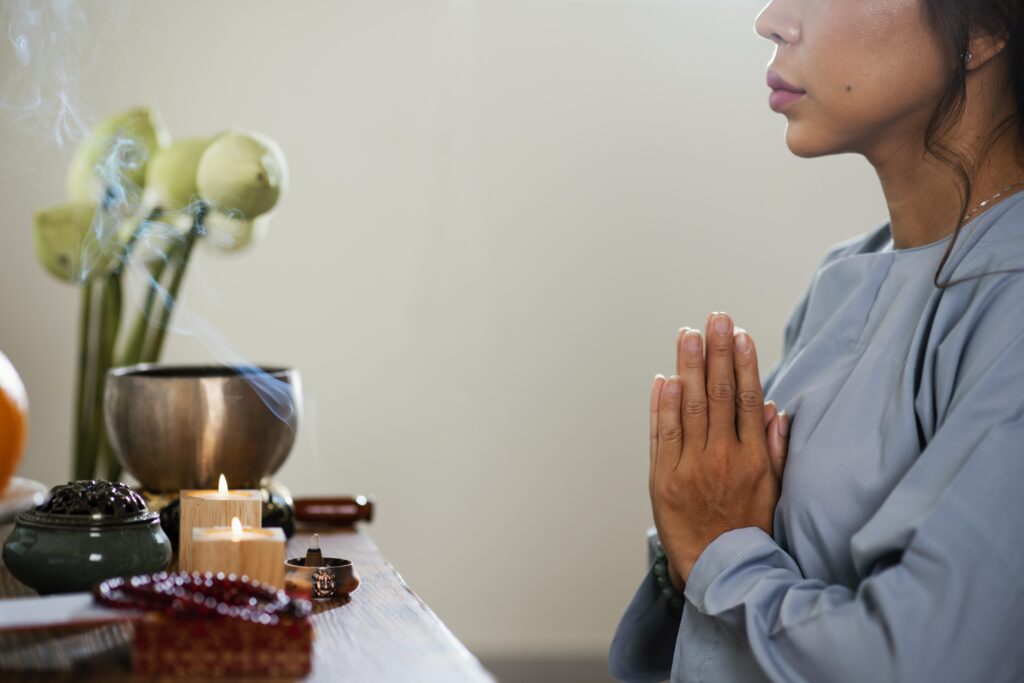
Sound healing is believed to help a person relax, improve sleep, and strengthen the immune system. Studies show that certain repetitive rhythms can slow down the listener’s breathing and heart rate. Meditation can help relieve fatigue and reduce stress.
In simple terms, sound is vibration. Every organ in our body has its own frequency — its own vibrations. The healing effect of sound therapy occurs when the frequency of the sound resonates with the frequencies of different organs and tissues in the human body. First and foremost, breathing and heart rate are regulated.
Sound massage helps to quickly relieve the symptoms of stress: headaches, digestive problems, spasms, nausea, etc.
It also neutralizes the stress itself, assisting the body to relax and the mind to enter a balanced state by influencing the vegetative part of the nervous system and brain tissue.
Benefits of Sound Therapy
Reducing stress and anxiety
One of the main benefits of sound healing is its ability to reduce stress and anxiety. The sounds and vibrations created by the bowls promote relaxation and help calm the “chattering mind.” Studies show that sound therapy can significantly reduce levels of cortisol, the stress hormone, in the body.
Improved physical condition
Regular practice of meditation with singing bowls contributes to the improvement of overall physical condition. The sounds help activate blood circulation, improve metabolism, and promote muscle relaxation. This can lead to a reduction in body pain and a decrease in the symptoms of many diseases.




Deepening intuition and self-awareness
Sound healing helps to establish a connection with oneself. The sounds promote deep immersion in one’s own thoughts and emotions. As a result, participants can gain valuable insights into their lives and goals, opening up new horizons of self-awareness.
Improved sleep
Sound healing can be especially helpful for people suffering from insomnia. The relaxing sounds improve sleep quality and help you fall asleep quickly. Many participants can sleep more deeply and wake up feeling refreshed and energized.
Emotional harmony
The sounds of singing bowls can help release negative emotions and blockages. Participants may feel negative attitudes and experiences begin to dissolve, replaced by positive and inspiring emotions. This makes meditation particularly beneficial for people who want to learn how to manage their emotions.

Types of Sound Therapy
Guided Meditation
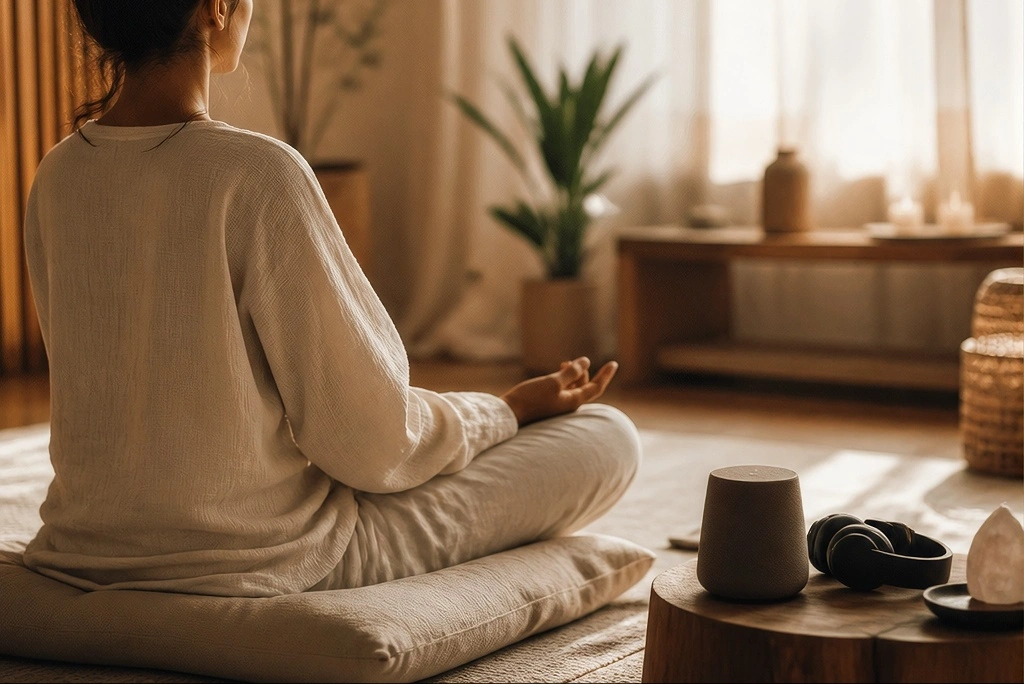
Meditation with voice guidance combined with sound instruments helps you relax faster, concentrate, and let go of unnecessary thoughts. A therapist or special guide leads you through the practice, making it especially useful for beginners.
Sound Baths
A deep immersion in the vibrations of gongs, crystal, and Tibetan bowls, which creates the effect of “bathing in sound” and promotes deep restoration. The vibrations envelop the entire body, helping to relieve physical and emotional tension.
Binaural Beats
Special frequencies listened to through headphones: the difference between the two tones creates the effect of harmonizing brain waves, helping you focus or relax. They are often used to improve sleep, increase concentration, or immerse yourself in deep meditative states.
Voice Therapy
Using your own voice, sounds, or toning as a tool to relieve tension, work with emotions, and restore inner balance. This practice can become a kind of “vocal meditation” and a tool for self-expression.
Vocal Yoga, Mantras
The practice of singing, mantras, or sound creation that combines breathing, voice, and vibrations to clear the mind and raise energy levels. Regular repetition of mantras can improve concentration and enhance the inner sense of harmony.
Music Therapy
A scientifically proven method: specially selected music is used to improve emotional state, reduce stress, and support mental health. It is used in clinics, rehabilitation centers, and for individual work with emotions.
Nature Sounds / Ambient Soundscapes
The sounds of nature (rain, ocean, forest) or atmospheric soundscapes help calm the nervous system, reduce stress, and restore concentration. They are easy to integrate into everyday life — from background music while working to nighttime playlists for sleep.
Healing Sound Therapy Instruments
During a sound therapy session, instruments with different sound frequencies are used. Each instrument is capable of adjusting to the vibration frequency of each organ and balancing it. Sound therapists typically use Tibetan singing bowls, gongs, flat bells, and Tibetan ting-sha cymbals, which allow for vibrational and acoustic correction at all levels.
The most popular type of sound therapy today is Tibetan singing bowls. This ancient method, over 1,000 years old, has only recently entered our culture with the popularization of Eastern philosophy and teachings in Western culture.
Group vs. Individual Sound Therapy
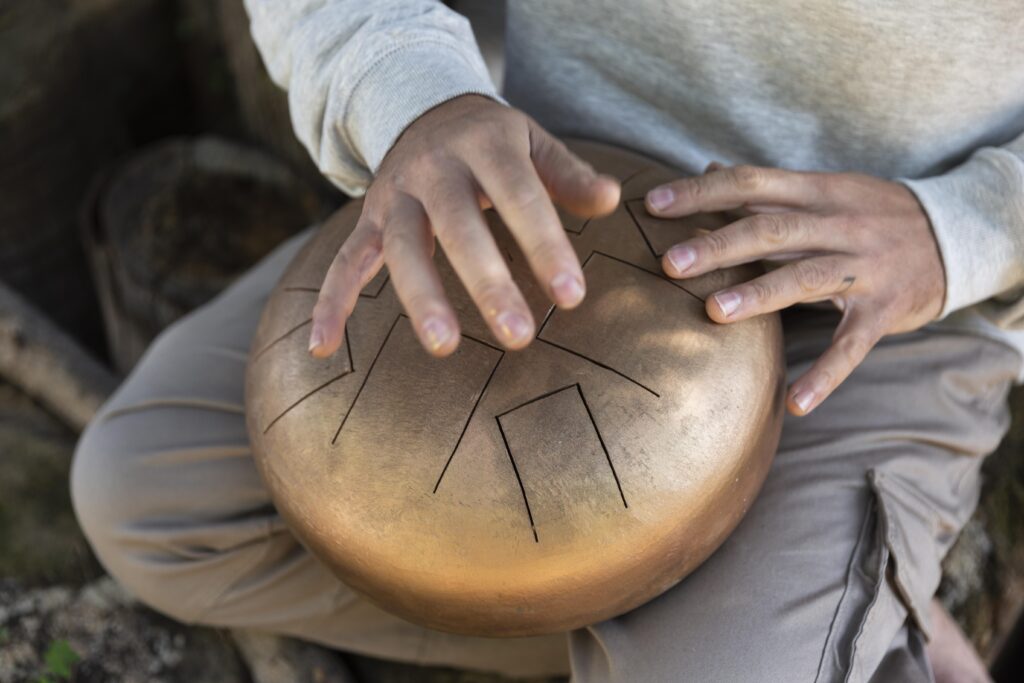
A group session is a shared space where several people simultaneously immerse themselves in the vibrations of gongs, Tibetan bowls, or other instruments. This format enhances the effect of unity, helps you relax in collective energy, and is especially suitable for those seeking new experiences in the company of like-minded people.
An individual session is a personalized approach: the therapist adjusts the sound and frequencies specifically to your condition, needs, and requests. This format is chosen when deeper work with the body or emotions is needed, for individual recovery, or for targeted work on specific problems (stress, insomnia, anxiety).
What to choose?
- If you want to feel the power of collective energy and immerse yourself in a harmonious space with others, group therapy is worth trying.
- If you have specific requests or want to get the most personalized experience, an individual session is the best choice.
Who Should Avoid Sound Therapy
Despite its many positive aspects, some contraindications should be considered before beginning practice:
- Epilepsy and severe neurological disorders: people with these conditions are strongly advised to consult a doctor, as sound can lead to unpredictable emotional reactions.
- Mental health issues: if you have serious mental disorders such as schizophrenia or other mood disorders, it is essential to consult a psychiatrist before starting therapy.
- Physical ailments: people with severe cardiovascular disease or chronic pain should be cautious and consult with their doctor.
- Pregnancy: the noise and vibrations from singing bowls may cause discomfort for pregnant women, so it is advisable to consult with an obstetrician.
- Sensitivity to sound stimuli: if you suffer from migraines or headaches, it is best to consult with your doctor first or choose quieter sessions.
Resources or Getting Started
Not sure where to start? Here are some simple resources for your first introduction to sound therapy:
- YouTube: Healing Vibrations — hour-long sessions for relaxation and sleep.
- Apps: Insight Timer — free meditations with gongs and bowls.
- Platforms: Mindvalley — practical courses on meditation and working with sound.
- Blog: Sound Healers Association — short articles and tips from practitioners.
These resources will help you choose a format that is convenient to start with and gradually integrate sound therapy into your life.
And some important information before you start. A sound session usually lasts between 20 and 40 minutes, during which the facilitator harmoniously combines the sounds of different bowls and may also use techniques such as singing or special rhythmic strikes on the bowls.
It is important to note that the sound of singing bowls can evoke various emotional responses, which may manifest as laughter, tears, or a deep sense of peace and happiness.
At the end of the sound session, the facilitator gradually lowers the volume of the sounds and begins to bring the participants back to a state of wakefulness. It is essential to take the time to slowly return to reality and experience your feelings.
How to Biohack Sound Therapy
Modern biohacking tools allow you not only to feel the effect of sound therapy, but also to measure it. Wearable devices (bracelets, smart watches, rings) help track heart rate, heart rate variability (HRV), stress levels, and sleep quality — key indicators that can change under the influence of sound practices. Also, mobile apps allow you to record changes in your condition, keep a diary of sessions, compare results, and find the optimal duration and frequency of therapy. What to start from?
Wearable Devices and Apps for Monitoring
To better understand how sound therapy affects the body, you can connect modern biohacking gadgets:
- Oura Ring — measures sleep quality, HRV, and recovery level after sessions.
- Apple Watch / Garmin — records heart rate, stress, and activity level.
- Whoop Strap — helps analyze heart rate variability and track how well the body adapts to stress and rest.
- Muse App — a combination of a headset and a mobile app that tracks brain waves during meditation or sound practices.
Using such devices allows you not only to feel the effect but also to see it in numbers, which makes the practice more conscious and personalized.

Combine with Other Biohacking Methods
Sound therapy can and should be combined with other types of biohacking activities that are similar in meaning, mood, and result. For example, a yoga session accompanied by the sounds of nature or meditation with singing bowls is one of the most effective and enjoyable ways to achieve inner peace and harmony. This practice combines ancient sound therapy with modern meditation techniques, creating a space for deep relaxation and self-reflection. You can also combine it with stretching, breathing practices and so on.
To Sum Up
Sound healing is a fantastic way to immerse yourself in a state of harmony and tranquility. This practice can have a profound effect not only on your mental and emotional state but also on your physical health. Recently, sound healing has become popular among biohackers for good reason — the practice perfectly complements training and normalizes your psycho-emotional state. Relaxing sounds and vibrations fill the space, leading to inner cleansing, calmness, and stress reduction, which is very important in today’s world.
for subscribing!