


How to Practice Walking Meditation for Calm, Focus, and Clarity
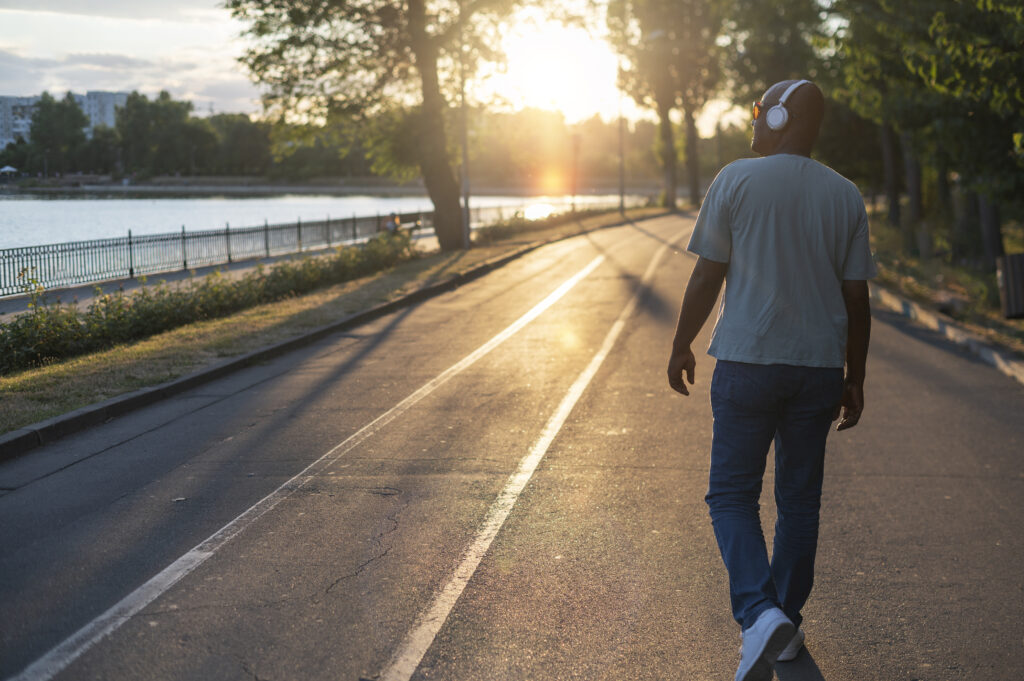
The word “meditation” may conjure up images of a person sitting cross-legged in a quiet, calm room. While many people choose to meditate in this way, others opt for a more active approach. It’s named walking meditation, and by doing it, you reap the benefits of both walking (enhanced health and stamina) and meditation (clearing your mind of negative thoughts and cultivating mindfulness) simultaneously. Think of it as a Zen state and the art of multitasking. This practice has positive effects on both your thinking and your health – sometimes even more so than sitting meditation. Here are the top benefits of walking meditation.
Highlights
- Walking meditation mixes walking with mindfulness.
- Walk slowly, breathe steadily, and stay aware.
- Notice your senses and how your body feels while walking.
- Best done in quiet, safe, natural spaces like park
- Combine with sitting meditation for stronger results.

Contents
What Is Walking Meditation?
Meditative walking, also known as mindful walking or kinhin, is a practice that combines physical movement with mental focus to achieve relaxation, calm the mind, and remain present in the moment. The essence of walking meditation is that we continuously hold attention to the physical sensations that arise in the feet as we walk, “grounding” ourselves and focusing on our inner world.
A significant advantage of walking meditation is that it does not cause physical discomfort and requires no preliminary preparation, making it accessible to everyone, regardless of age or physical condition. How is meditative walking useful?
- Relieves symptoms of illness. A 2002 study published in the Journal of Alternative and Complementary Medicine found that an eight-week mindfulness meditation program resulted in effective and long-lasting reductions in disease symptoms in participants with chronic illnesses.
- Reduce high blood pressure. A year-long study published in the American Journal of Hypertension found that daily meditation lowered blood pressure more than other relaxation techniques and reading about lifestyle changes.
Upcoming EventsJoin one of our health & wellnes events in your city!
- Reduce stress and improve mood. A study published in the February 2007 issue of the Annals of Behavioral Medicine found that while mindfulness meditation and other relaxation practices can both reduce stress and positively impact your mood, meditation may actually be more effective – especially when it comes to reducing distracting and mundane thoughts and daily activities (washing dishes, caring for a child, etc.).


Combining meditation with physical activity can help you burn calories while maintaining a healthy physical condition.
How to Practice Walking Meditation
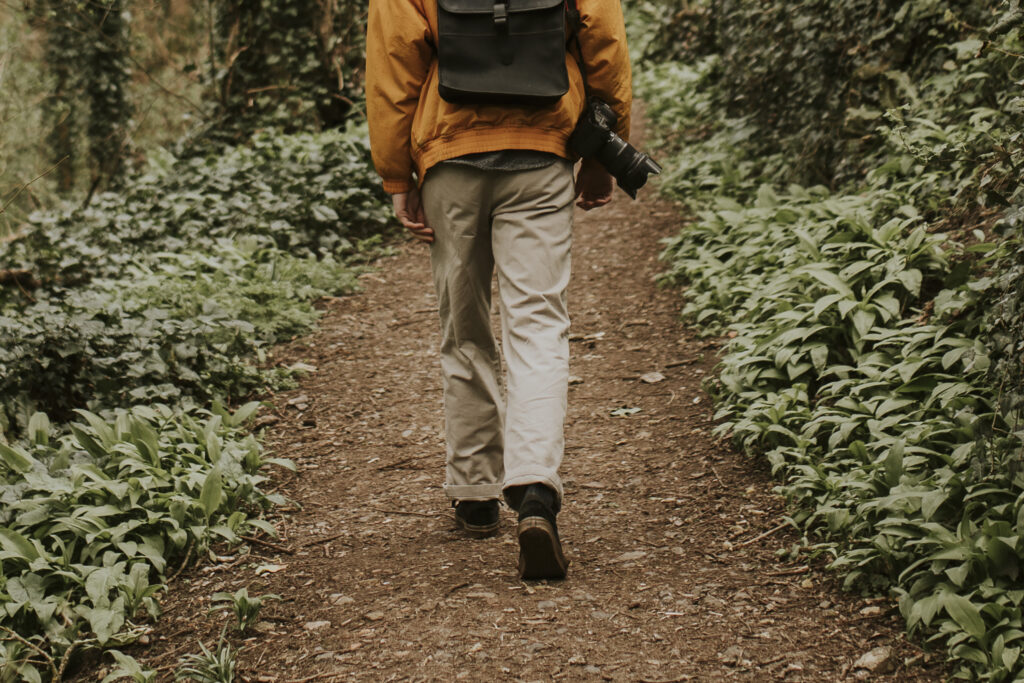
You can practice walking meditation while you’re out for a walk or even on your morning commute to work. No matter how much time you have, use every spare minute.

Picking a Place
If you are doing meditative walking outdoors, stay away from busy, crowded pedestrian areas. Choose a park or a quiet, deserted stretch of path or road instead. As you gain experience, crowded places will no longer hinder you.
Set Your Pace
Give yourself about 20 minutes to practice the first few days. If you find it necessary, wear a watch with a timer so that your attention is not focused on the time.
Pace: slow is the best. The pace should also be steady and even. Try to synchronize your breathing with your steps. For example, you can inhale for three steps and exhale for three steps. Find a rhythm that feels comfortable and natural to you.
Maintaining Mindfulness as you Walk
Unlike other types of meditation, mindfulness walking meditation requires you to keep your eyes open. As you begin to walk, notice your senses (sight, smell, touch, hearing, and taste). Then focus on the sensations in your body. Feel the contact of your feet with the ground, the movement of your legs, and the rhythm of your steps. You don’t have to think about it too much – just observe and move on.
Learning to separate your emotions from how they feel is a powerful tool. This foundation can help you develop the ability to observe the connection between emotions and feelings, and ultimately maintain control over your emotional responses to feelings as they arise. Notice your state of mind. Is it calm or agitated, flighty or focused? Also, pay attention to your emotions as they arise.

It is normal for random thoughts to arise as you attempt to clear your mind and focus on meditation. As you become aware of your emotions and thoughts, try to sort them into categories – thoughts to keep and thoughts to discard. Understand which thoughts lead to negative emotions and which ones lead to positive ones.
Correct Walking Posture
Walk at a comfortable pace and maintain good posture. Keep your back straight, your shoulders relaxed, and your gaze lightly focused on the path ahead. This mindful posture can help to increase your awareness and presence.
Breathing During Meditation
Before you start mindfulness walking, take a minute to focus on your breathing. Feel the air entering and leaving your body. This can help take your mind off all the worries, ruminations, and planning that we tend to fall into.
Walking Meditation vs. Traditional Sitting Meditation
Walking meditation complements sitting meditation well. They are made for each other. Of course, walking and sitting meditation can be practiced separately. Still, the most effective results occur when they are practiced together.
The fact is that two elements are equally important for effective meditation: concentration and energy. Sitting meditation helps develop concentration, but does not increase energy; therefore, a common problem in sitting meditation is drowsiness.
Walking meditation, on the other hand, helps increase energy by charging the body and activating the mind, thereby perfectly complementing the sitting practice.
The distinctly positive effect of walking meditation can be felt when comparing the state of consciousness during the day in two practices: the first, where only sitting meditation is practiced, and the other, where sessions of sitting and 10 minute walking meditation alternate.
Initially, inevitably, 2-3 hours of meditation per day are spent under the banner of “don’t let yourself fall asleep.” However, at retreats where walking and sitting meditation alternate, in my observation, sleepiness is rarely a problem – the consciousness remains alert throughout the day.
Just keep in mind an important point – the sequence should be as follows: first walking meditation, then sitting meditation.
The idea is that we direct the energy of awareness accumulated during walking to deepening concentration in sitting meditation. Try it, it really works!
Best Locations for Walking Meditation
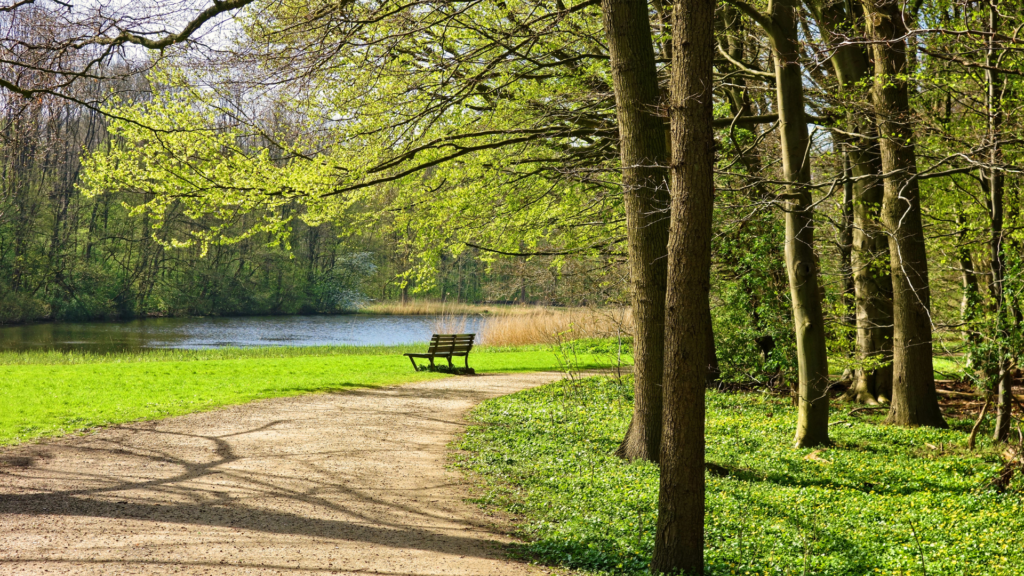
Finding locations is simple: be creative with spaces in your home, outdoor paths, parks, and even large aisles in stores! Any quiet, private, and safe place with enough space is suitable for meditative walking, such as a park, forest, lakeside, or a designated area in a quiet area. The most important thing is to choose a place where you feel calm and can focus on the sensations in your body rather than your surroundings. When choosing a location, keep the following in mind:
- Quiet and secluded. You mustn’t be distracted from your practice. Avoid noisy areas such as highways or densely populated areas.
- Space. You will need room to walk in a straight line or in a circle of 10-20 steps, allowing you to move freely.
- Safety. Make sure the place is safe and that you feel comfortable and calm.
- Natural elements. Nature is often conducive to meditation, making a park, forest, or lakeside a great choice for practice.
- Sacred Places. For some people, temples or monasteries are good places to meditate. This is a controversial idea, but you may feel most comfortable in these places.
Best Sources to Learn About Walking Meditation
Podcasts
Walking meditation is often discussed in mindfulness podcasts. Useful are these:
- The Mindful Minute – practical tips for meditation for everyday life.
- Ten Percent Happier with Dan Harris – episodes with experts on mindfulness in motion.
- Mindfulness Meditation Podcast by The Rubin Museum – short meditations that are easy to listen to while walking.
Guided Walking Meditations (Audio)
Audio instructions help you stay focused while mindfulness walking. Try Headspace or Calm – popular apps with ready-made guided meditation sessions. Free options are also available on YouTube, such as Walking Meditation with Jon Kabat-Zinn.
Biohackers & Experts to Follow
Several well-known practitioners and biohackers who integrate walking and meditation into their approaches:
- Andrew Huberman (neurobiologist, popularizes morning walks and mindfulness as part of brain optimization).
- Ben Greenfield (biohacker, often combines physical activity with mindfulness practices).
- Thích Nhất Hạnh (Buddhist monk, author of classic walking meditation practices).
- Sam Harris (Waking Up App with audio meditations, including for walks).

To sum up
Once you learn to meditate while walking, you can practice it at any time you have the opportunity to walk, whether it’s a designated period for exercise or a brief walk in the parking lot. When you get really good at it, you can even use this meditation technique in densely populated cities, on walks with lots of potential distractions.
for subscribing!