


What You Need to Know About Massage Therapy
Taking care of your body is a key component of the biohacker philosophy. Massage is the very tool that can help you achieve great productivity. Your flexibility and concentration are linked to the whole body, so proper relaxation could help your productivity in your daily routine. Massage therapy is one of the most ancient practices that has been tested not only by time but also by science. It restores the integrity of both the body and the mind. With the help of regular massage, you can even improve your thought processes and focus on important goals.
Our experts have analysed information about massage and its most useful practices and are ready to share this knowledge. In this article, we will discuss various massage practices and explore the history of massage. And how to prepare for your first session. We will also learn about contraindications for massage and explore additional topics such as breathing practices and aromatherapy.
Highlights
- Massage has been practiced for thousands of years.
- It helps relax muscles and calm the mind.
- Swedish massage is best for relaxation.
- Combine massage with breathwork for best results.

Contents
What Is Massage Therapy
Humankind has been familiar with this practice for centuries. The first written evidence of massage dates back to the 9th century BC, originating from the East. The ancient Chinese manuscript “Nei-jing” has a whole section on diseases that were treated not only with medicines, but also with massage. After some time, the method was transferred to Ancient China, Japan, and India. In India and China, massage could only be performed by priests. Even special schools were established in these countries, where individuals were taught massage techniques and methods. References to it can be found in the poems of Homer, as well as in the works of Hippocrates and Asclepiades.
Over the centuries, mankind has discovered the diversity of massage. Additionally, they are primarily categorized into two types: manual massage and machine massage. Each of them has its own subtypes. They could be concentrated on concrete parts such as head massage or hand one. Either a sports massage or a lymphatic drainage massage has different techniques. This is not only a way to relax your muscles and increase their elasticity, but also to improve your mental health. Thanks to massage, negative emotions are released, and you can literally breathe deeply after the session. Biohackers appreciate the impact of massage on the body and mind, as it helps maintain health and promote longevity.
Benefits of Massage Therapy
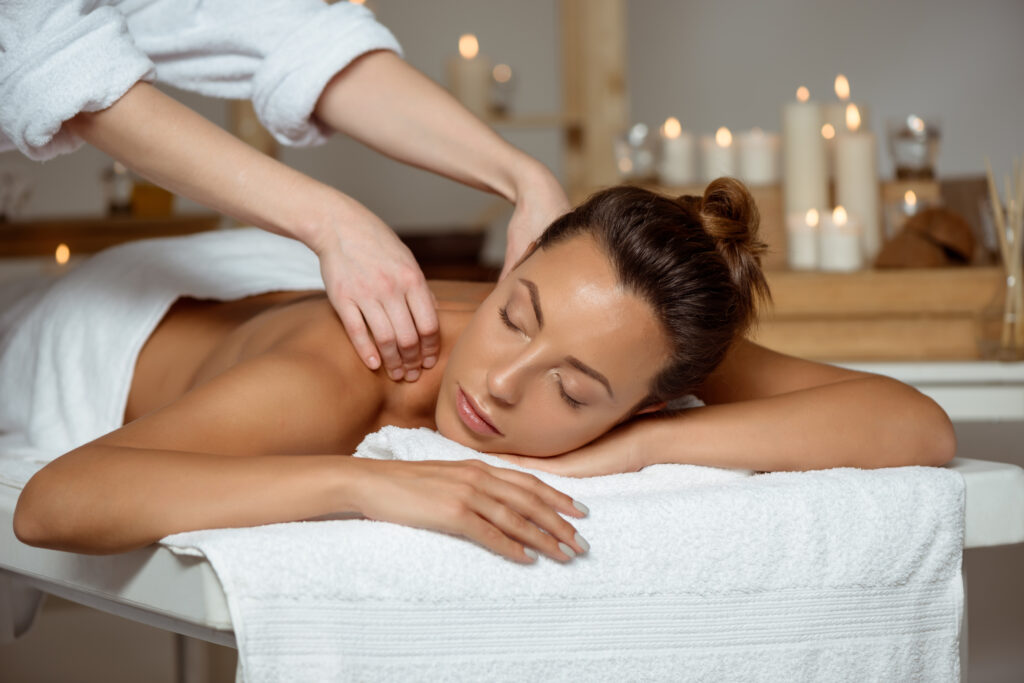
The modern world often underestimates the benefits of massage, but its healing effects remain a necessity for the body today. The tempo of life is getting faster, so we don’t leave enough time for relaxation. This practice could help you balance it. As some experts say, massage is the only type of treatment where there are no intermediaries between the massage therapist and the patient. It is a specialized therapy for your body that can clear your mind and help you achieve fitness. Suppose you suffer from acute or chronic back pain, neck pain, headaches, muscle tension, or fatigue at the end of the day, as well as other conditions or ailments. In that case, massage can be a real lifesaver. Under its influence, dead epithelial cells are exfoliated, blood circulation improves, the skin becomes elastic and firm, and the subcutaneous fat layer decreases.
Massage restores tired muscles, increases their performance and elasticity, regulates blood supply in different muscle groups, and strengthens ligaments. A psycho-emotional state, mood, and well-being are normalized after a course of massage.
Cerebral circulation and nervous system function are improved.
The beneficial effects of massage have been proven to improve the cardiovascular, respiratory, and digestive systems. Massage stimulates metabolism, improving lipid metabolism, acid-base balance, and toxin removal, which promotes weight loss and the reduction of cellulite. It is essential to acknowledge the benefits of massage in combating infections as your immunity strengthens.
Therapeutic massage can help relieve pain or get rid of symptoms, osteochondrosis, bronchitis and lung diseases, hypertension and heart rhythm disorders, arthritis,vegetative-vascular dystonia, neurosis, gastritis, obesity, and many other diseases. It reduces cortisol levels, improves sleep, speeds up recovery from workouts, and helps manage chronic pain. According to researchers, regular massage sessions have a positive effect on immunity and reduce anxiety levels.

Types of Massage
Nowadays, there are countless variations of massage. It can include an approach to the whole body or only to its parts. In any case, everyone can find an option to their preference. Here are some of the most popular types.
Swedish Massage
This is one of the most common. It includes soft sliding movements, kneading, and circular techniques. Its roots go back to the 19th century, when Per Henrik Ling systematised massage techniques. It is soft and universal. The primary goal of Swedish massage is to provide stress relief and general relaxation. It’s a classical body massage technique that has all the scientifically proven benefits, such as deep relaxation, improved flexibility, and enhanced cognitive ability.
Deep Tissue Massage
The deep tissue option targets muscles and fascia at a deeper level. It is often used to relieve tension and aid recovery from injuries. It is characterised by strong pressure and work with the forearms and elbows. Useful in chronic pain and for recovery after sports.
Sports Massage
Almost no professional in sports can do without a massage therapist. This option is designed specifically for athletes. It helps prepare muscles for stress and speeds up their recovery after intense exercise or competition. This massage therapy is more dynamic than the first option and includes stretching. The therapist must warm up the muscles before the workout. Or to cool them down after the sports session. So don’t expect to feel a lot of relaxation here. But it allows professional athletes to avoid cramps and muscle or joint injuries. This option is designed to prevent them and improve productivity during sports.
Trigger Point Therapy
This type of massage is created to relieve pain and spasms in specific areas. This could be the back, neck, or large leg muscles. The technique involves applying pressure to the right areas. Often designed for the removal of headaches and myofascial pain.
Hot Stone Massage
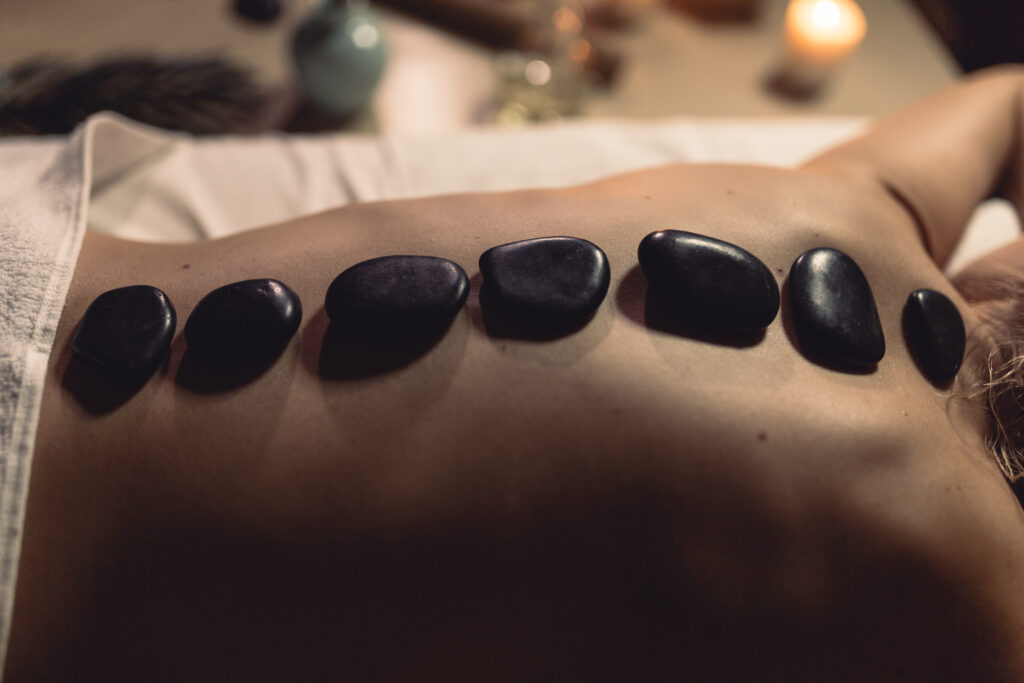
This option has become very popular in spa salons. The neuro massage originated in Hawaii and ancient China. There, hot stones were used to relieve pain and restore energy. The modern version uses smooth basalt stones heated to a comfortable temperature. Their warmth enhances the relaxing effect. The massage therapist places them on specific areas or works with them with his hands. This is a great combination of heat, massage, and added pressure from the weight of the stones themselves. This massage helps relieve stress and improve blood flow.
Shiatsu / Thai Massage
Shiatsu originated in Japan and is based on finger pressure on energy meridians. Thai massage originated in Thailand and combines elements of yoga, stretching, and massage with palms, elbows, and feet. Both types work not only with muscles but also with the body’s energy system. They restore energy and improve body flexibility.
Honey Massage
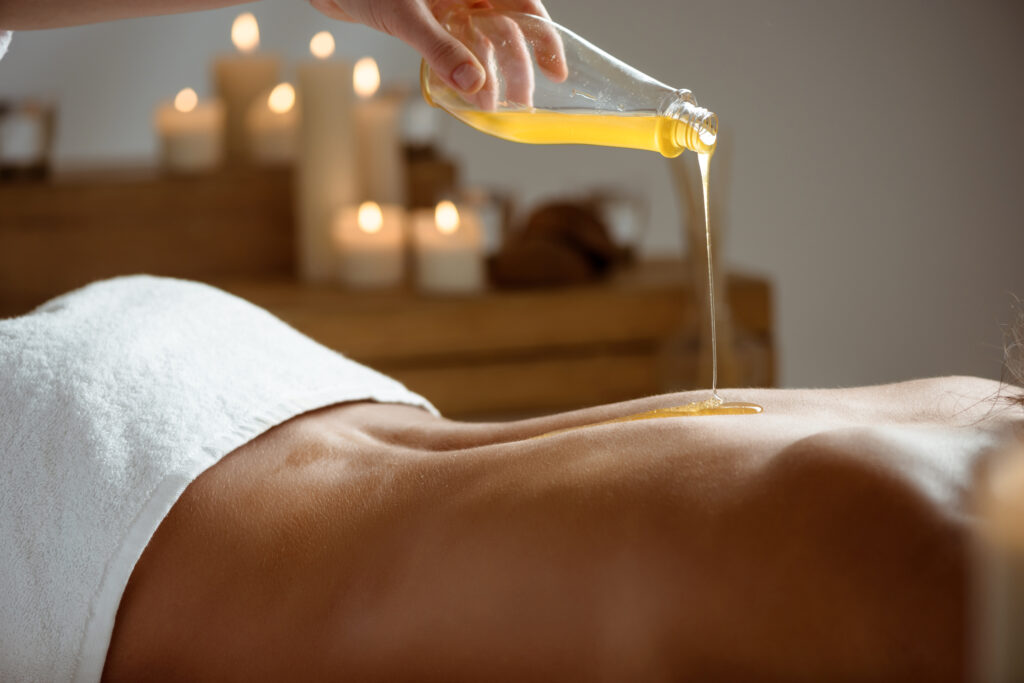
Originating from Tibetan medicine, honey massage is a gentle and effective procedure. It uses natural honey, which, when applied and torn off by the palms, creates stickiness and relaxes due to it. It is the combination of mechanical stretching and the properties of honey that makes the skin elastic and stimulates lymph flow.
Lymphatic Drainage Massage
This massage helps with swelling and strengthens the immune system. Thus, the body becomes more toned. The technique typically involves gentle, rhythmic movements along the lymphatic tract. The impact on the body in this method is very gentle. It does not cause tension or pain, which is an advantage for individuals recovering from surgery.
Reflexology
The roots of this practice also lie in Ancient China. The idea of this massage is that the zones of the feet, palms, and ears are connected to different internal organs. Through specific manipulations, it is possible to enhance the overall functioning of the organism by stimulating nerve endings.
Couples Massage
This option can be an interesting practice for both friends and couples. It allows you to practice massage together and share these emotions. Additionally, you can chat during the massage, making it a great choice for extroverts who enjoy spending time together. This method strengthens the emotional connection while also relaxing the body.

Foot Massage
Ancient Egypt is one of the birthplaces of this massage. It is believed that the feet contain a large number of nerve endings that are connected to other parts of the body. Therefore, by affecting the feet, you can get rid of tension in the whole body. This massage is beneficial for people with sleep disorders.
How to Prepare for a Massage Session
To ensure that your session is enjoyable and as productive as possible, it is best to follow a few guidelines before it begins.
- You should avoid coming to a massage with a full stomach. Your body is working on digesting food at this moment and therefore won’t be able to relax as much as possible, plus lying on your stomach in this case will be uncomfortable.
- Please inform the massage therapist about any chronic illnesses or injuries you may have. To avoid certain areas or, conversely, pay more attention to them, the specialist needs to know what they are working with.
- Don’t forget about personal hygiene. It’s better to take a shower just before the session.
- You should not drink alcohol before a massage. This can lead to negative consequences during the massage.
- It is also better to refrain from heavy loads.
What to Expect in Your First Session
For beginners, the first session may seem stressful, since you don’t know what to expect. In fact, there is nothing to worry about; the main thing is to talk to your massage therapist before the session. Most likely, he will clarify your complaints and goals. Often, the massage therapist leaves you alone or offers to go behind the screen to undress. The procedure itself usually lasts 60-90 minutes. Initially, you may experience slight discomfort, as the muscles are not yet accustomed to such manipulations and are not sufficiently warmed up, especially with a deep massage. But the further the procedure goes, the more pleasant it will become.
What to do After a Massage
Post-massage time is no less critical. For the body to experience complete relaxation and comfort, it is essential to give yourself this opportunity and refrain from rushing around immediately after the procedure. Drink more water to speed up the removal of metabolites. And do not forget to rest or meditate for the next hour after the massage.
Who Shouldn’t Get a Massage?
Even such a pleasant procedure as massage has some contraindications. It is better to consult a doctor if you have at least one point from this list:
- Fever and acute infections.
- Thrombosis and bleeding disorders.
- Oncological diseases.
- Skin infections and inflammations.
What Biohacks Can Combine with Massage
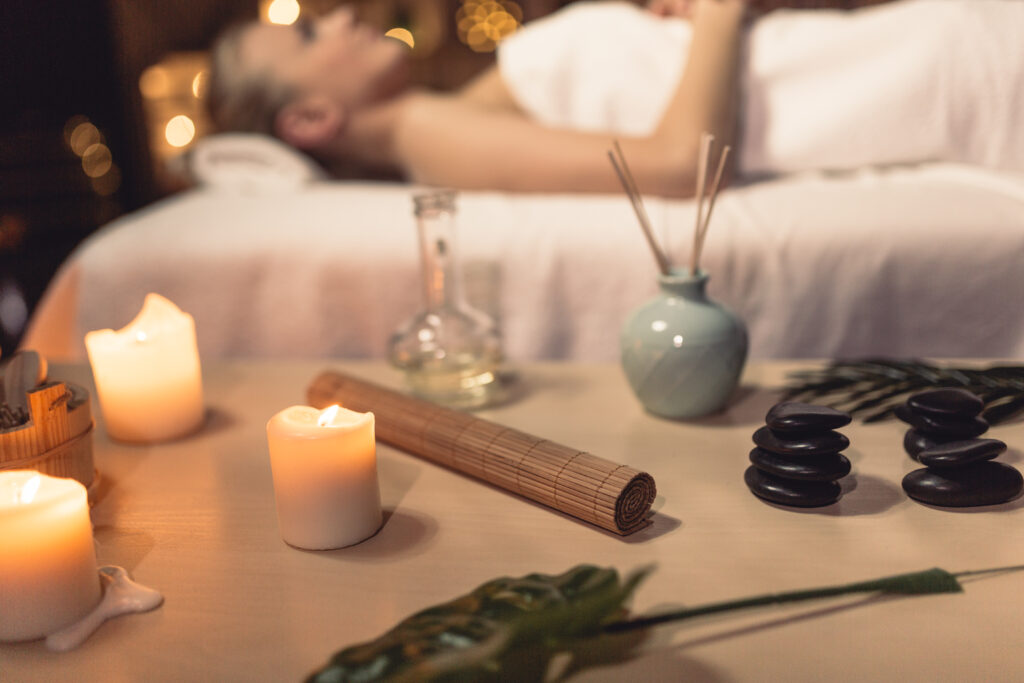
There are a few more biohacks that will enhance the effects of massage and help you delve deeper into this practice.
- Aromatherapy. Essential oils promote relaxation and have a calming effect on the nervous system. Perfect for the entire practice from start to finish. These aromas affect the nervous system, sending it a signal to relax. Some studies have shown that essential oils can even reduce cortisol levels in the blood and improve sleep.
- Breathwork. Try breathing consciously during the massage. This helps to focus on the process and eliminate unnecessary distractions from the mind. You can focus on specific areas where tension accumulates in your body and breathe through these places. This will help with additional relaxation and pain relief.
- Vibration Therapy. This is a great procedure before the main massage. Thanks to the vibrations, your muscles will relax, and you will be able to get more productivity from the sensor. 2-3 minutes will be enough. And after the massage, the vibration will maintain the relaxing effect.
- Sound Therapy. This can be music, musical bowls, or a gong. Each of these options creates its own unique vibrations that have a positive effect on the brain. It is best to start the procedure with music and finish with a gong. It stimulates the brain not only for relaxation but also for activating creativity.
- Gentle Heat Wraps. What could be more pleasant than a wrap after the main massage? Infrared towels or heating pads can be used for this. This is especially useful for harsh techniques such as deep tissue or sports massage. After the procedure, the heat helps relieve residual spasms and works with deep tissues.
How to Check Your Massage Therapist’s Credentials
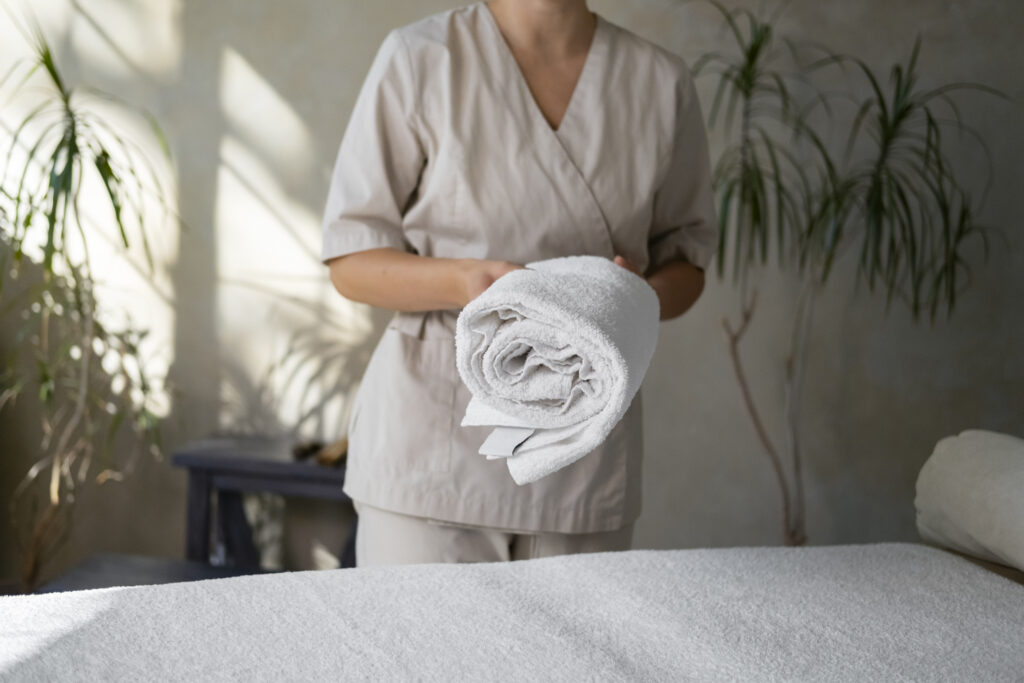
An equally important criterion is the therapist’s professionalism. Of course, you can simply surf the internet or social networks with requests such as “head massage near me.” Still, as the service has become more popular, the quality of unprofessional services has also grown. Find out about their education and certificates. A massage therapist must have a specialisation and understand human anatomy so as not to harm and bring only benefit with their actions. Try to find reviews from real clients – this will help you know that the person has had experience before. An additional plus will be membership in specialised associations. However, the most important thing is that you will be able to evaluate your specialist personally, as many years of experience do not always guarantee professional expertise. In massage, personal contact and communication are crucial, as this is an area where you trust a person with the most important thing you have – your body. Therefore, among other things, focus on your feelings.
Summary
Massage is a great way to disconnect from the world and slow down. It can increase your body’s flexibility and reduce swelling. It is also an almost indispensable procedure for athletes. It helps to cope with stress, improves sleep, relieves pain, and speeds up recovery. We discussed how to prepare for a session, what to pay attention to when choosing a specialist, and the main types. We also learned several biohacks that can enhance the effect of the procedure.
Some practical tips:
- Select the type of massage tailored to a specific purpose: relaxation, sports, or pain relief.
- Always inform your massage therapist about any health conditions you may have.
- Combine massage with breathing and heat practices for maximum results.
for subscribing!