


Biohacker’s Evening Routine
Most people think biohacking starts in the morning: cold plunges, sunlight, supplements, coffee timing. But the real magic often happens the night before. Your evening routine quietly controls some of the body’s biggest performance markers — recovery, hormone balance, blood sugar regulation, brain detoxification, muscle repair, mood, and next-day focus. Sleep is not just “rest.” It’s active biological maintenance. And here’s the thing: you don’t need an extreme monk-style routine to improve it. Small evening habits can significantly affect melatonin production, nervous system regulation, and sleep quality. Science keeps confirming that what you do in the last few hours before bed matters more than many people realize. Here’s a practical, science-backed evening routine created for biohackers, wellness enthusiasts, and basically anyone who wants to wake up feeling more human.
Highlights
- Small evening habits can improve sleep quality and recovery.
- Better sleep often starts with removing overstimulation and late night distractions.
- Warm lighting, calm hobbies and cooled bedroom may help the body fall asleep faster.
- Late meals, bright screens and constant notifications can quietly ruin sleep.

Contents
10-Step Evening Routine for Biohackers
Stop Eating 2–4 Hours Before Sleep
Late-night snacking might feel comforting, but metabolically, your body isn’t thrilled about digesting food while trying to enter deep sleep mode. Research suggests that eating close to bedtime can negatively affect glucose metabolism, insulin sensitivity, circadian rhythms, and sleep quality. Your digestive system, liver, and pancreas all operate on biological clocks too — and they prefer downtime at night.
A recent review published in Nutrients highlighted that late eating is associated with poorer metabolic health and disrupted circadian regulation. People who regularly eat later in the evening often experience worse sleep efficiency and altered hormonal patterns. Stopping food intake a few hours before bed gives the body time to shift from “digest and process” into “repair and recover.” Many biohackers notice better HRV, lighter digestion, and deeper sleep after implementing this one habit alone. That doesn’t mean you need to go to bed hungry. The goal is simply to avoid heavy meals, sugar spikes, alcohol, or large snacks right before sleep.
Dim the Lights 2–3 Hours Before Bed

Your brain uses light as a timing signal: for example, right indoor lighting at night — especially cool-white LEDs — tells your nervous system it’s still daytime. This delays melatonin production and shifts your circadian rhythm later, making it harder to fall asleep naturally.
Studies have shown that exposure to bright light in the evening suppresses melatonin secretion and reduces feelings of sleepiness. Even ordinary household lighting can affect the body clock more than people expect.
Dimming lights a few hours before bed helps signal to the brain that nighttime is approaching. Think of it as creating an artificial sunset indoors. Warm lamps, candles, salt lamps, or low amber lighting work especially well. You don’t need to live in darkness — just reduce intensity and avoid blasting your retinas with overhead LEDs at 10 PM. Your future sleepy self will appreciate it.
Use Blue Light Blockers After Sunset
Screens are one of the biggest modern sleep disruptors. Phones, laptops, TVs, and tablets emit blue-spectrum light that suppresses melatonin production and increases alertness. This is helpful at 9 AM — not at midnight.
Blue light blocking glasses can help reduce that effect, especially if you work late, travel often, or simply enjoy scrolling before bed like the rest of humanity. Limiting evening exposure to blue light can improve sleep onset, sleep quality, and next-day alertness. Some people also report a better mood and less evening “wired but tired”energy. The key is consistency. Wearing blue light blockers for five minutes won’t do much. Using them regularly after sunset creates a stronger circadian signal for the body.
And yes, orange-tinted glasses may look slightly ridiculous, but so does lying awake at 2 AM after watching videos under maximum screen brightness.




Add a Light Relaxation Activity
Your nervous system needs a transition period between “doing” and “sleeping.” Many people spend the entire evening overstimulated — emails, social media, work stress, Netflix, notifications — and then expect the brain to instantly shut down the second their head hits the pillow.
Relaxation practices like stretching, breathwork, meditation, gentle yoga, journaling, or calm walking can help shift the body from sympathetic (“fight or flight”) into parasympathetic (“rest and digest”) mode. Research involving 114 college students found that relaxation-based practices improved sleep quality and reduced stress levels. Even short evening mindfulness sessions can positively affect emotional regulation and nighttime recovery.
The important part is keeping the activity genuinely calming. Intense workouts, emotionally heavy content, or doomscrolling probably won’t produce the same effect. Sometimes the most effective biohack is simply giving your brain permission to slow down.
Take a Warm Shower and Brush Your Teeth
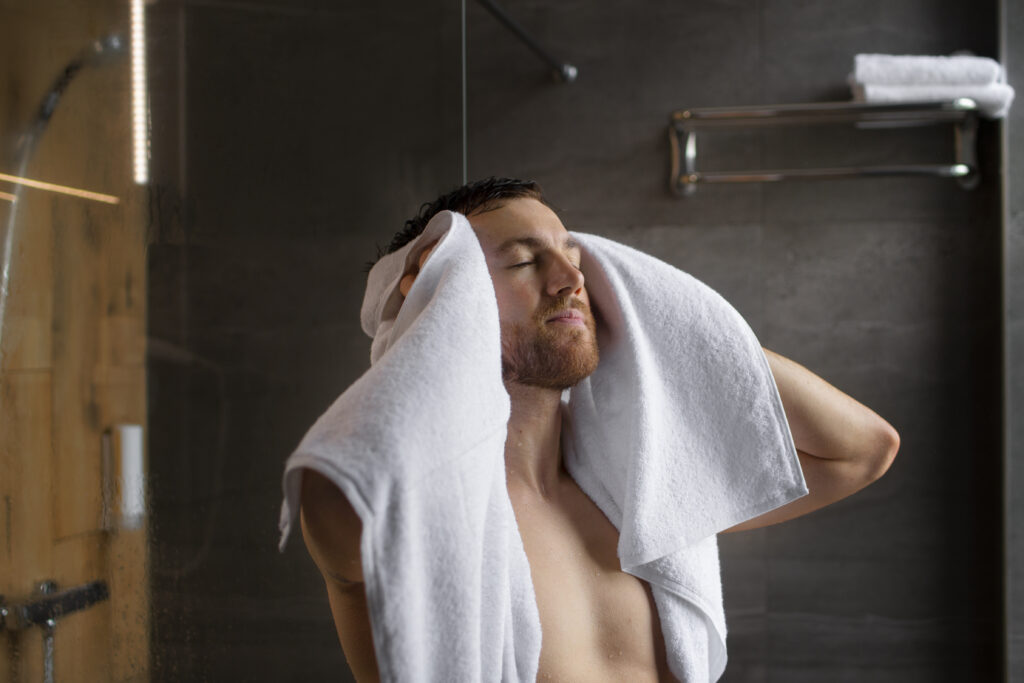
A warm evening shower does more than help you feel clean. Research suggests that warm bathing before bed may improve sleep onset and quality by supporting the body’s natural thermoregulation. After warming up in the shower, your core body temperature gradually drops — a signal associated with falling asleep. It’s basically a gentle biological cue telling the body: “Okay, nighttime now.”
Warm showers can also help reduce muscle tension, relax the nervous system, and create psychological separation from the stress of the day. And while brushing your teeth may not sound particularly “biohacker,” oral health and sleep are more connected than people think. Poor oral hygiene has been linked to inflammation, disrupted sleep, and overall health issues. Tiny habits matter because biology stacks outcomes over time.
Nighttime Skincare Routine
Your skin follows circadian rhythms, too. While sleeping, skin repair processes become more active: cellular turnover increases, barrier recovery improves, and the body shifts into a restorative mode. This is one reason nighttime skincare routines can be especially effective. One of the studies has shown that the skin’s permeability and repair mechanisms vary throughout the day, with nighttime often representing a key recovery window. A simple evening skincare routine doesn’t need 14 expensive products. In many cases, consistency matters more than complexity. Basic pillars include:
- gentle cleansing,
- hydration,
- barrier support,
- and targeted ingredients if needed.

For biohackers focused on longevity and recovery, skin health is not just aesthetic — it reflects inflammation, stress exposure, sleep quality, and overall physiological balance. By the way, removing makeup before bed is probably one of the least controversial health recommendations on Earth.
Make a To-Do List for Tomorrow
Many people struggle with “mental tabs” at night — random reminders, worries, tasks, and ideas looping endlessly in the brain right when it’s time to sleep.
A study published in the Journal of Experimental Psychology found that writing a to-do list before bed helped participants fall asleep faster compared to writing about completed tasks.
The reason is fairly simple: the brain relaxes when it feels that things are safely stored elsewhere. You don’t need a complicated productivity system. Just spend a few minutes writing:
- tomorrow’s priorities,
- important reminders,
- appointments,
- or lingering tasks.
Boost Happiness Hormones
The emotional state you carry into sleep matters. Chronic stress, anxiety, and emotional overload can elevate cortisol and make it harder to enter restorative sleep stages. On the other hand, positive emotional states may help support relaxation and recovery. That doesn’t mean forcing toxic positivity at bedtime. It means intentionally creating small moments of comfort, safety, or pleasure before sleep. This can include:
- gratitude practices,
- hugging loved ones,
- light laughter,
- calming music,
- reading something uplifting,
- or spending time with pets.
Simple behaviors can influence neurotransmitters associated with relaxation and emotional well-being, including serotonin and oxytocin. Sometimes “biohacking” gets overly technical. But human connection, emotional regulation, and feeling safe are deeply biological, too.

Prepare Your Bedroom
Your sleep environment quietly shapes sleep quality every single night. Research consistently shows that temperature, noise, lighting, and air quality all affect sleep depth and recovery. A cool, dark, quiet room generally supports better sleep architecture. One study on sleep environments emphasized the importance of thermal comfort and bedroom conditions for improving sleep quality. Helpful upgrades may include:
- blackout curtains,
- cooler room temperatures,
- minimizing noise,
- improving ventilation,
- reducing clutter,
- and keeping electronics out of reach of the bed.
Your bedroom should ideally feel like a recovery space, not a second office.
Read Books or Do Light Hobbies Before Bed
Not every evening needs to end with screen time. Reading physical books, drawing, knitting, light crafting, puzzles, or other calming hobbies can help the brain gradually power down without overstimulation.
Compared to fast-moving digital content, slower activities tend to place less cognitive demand on the nervous system. They also reduce exposure to blue light and create a more intentional nighttime rhythm.
Reading, in particular, may reduce stress and help transition the mind toward sleep. Fiction can also act as a surprisingly effective emotional decompression tool after mentally exhausting days. The key is choosing activities that feel calming rather than activating.
Evening Habits That Work Against You
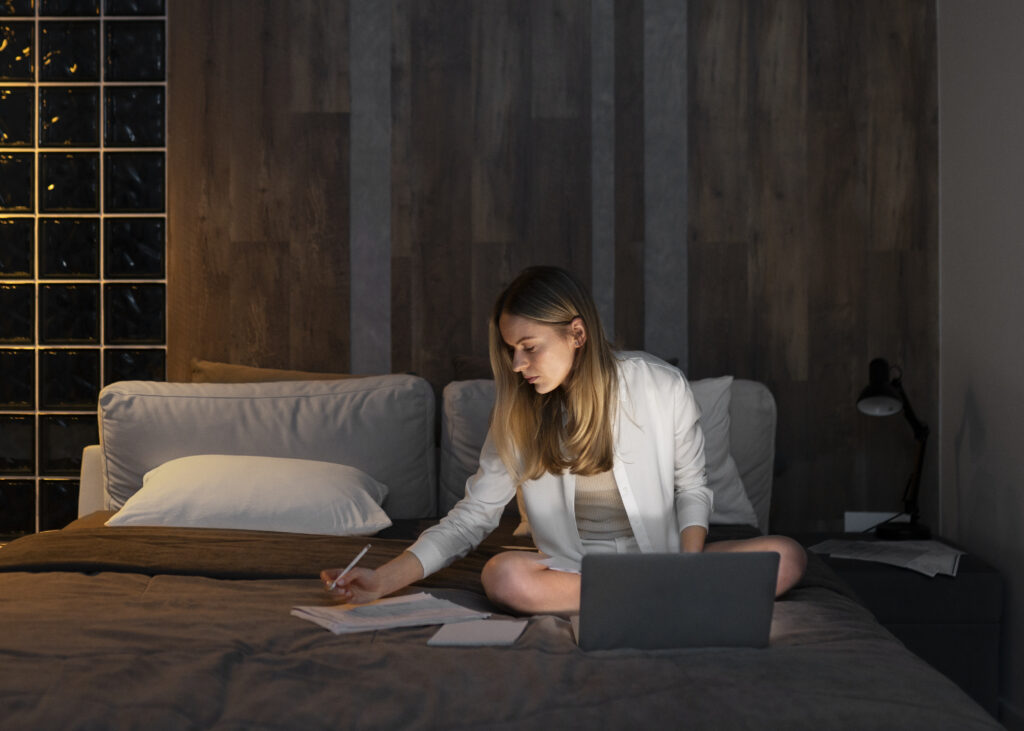
Some nighttime habits quietly sabotage recovery even if your “sleep score” looks decent on an app. Common evening mistakes include:
- heavy late-night meals,
- alcohol before bed,
- doom scrolling,
- bright lighting,
- stressful work conversations,
- intense exercise too late at night,
- and inconsistent sleep schedules.
Alcohol is a classic example. Many people think it helps sleep because it causes drowsiness. Still, research shows it can disrupt REM sleep, recovery, and nighttime regulation of the nervous system.
Late caffeine intake is another major issue. Depending on genetics and metabolism, caffeine can remain active in the body for many hours — even if you “feel fine.”
And perhaps the most underestimated factor: chronic overstimulation. Modern brains rarely get true downtime anymore. Constant notifications, endless content, and late-night multitasking keep the nervous system activated long after the body wants rest. Sometimes, better sleep isn’t about adding more supplements or gadgets. It’s about removing the things that keep the brain stuck in “go mode.”
Summary
A good evening routine doesn’t need to be perfect, aesthetic, or overly complicated. The goal is simple: help the body feel safe enough to recover. Small habits like dimming lights, eating earlier, calming the nervous system, preparing your environment, and reducing stimulation create stronger circadian signals that support deeper sleep and better recovery over time. And the interesting part is that many biohacking goals ultimately come back to sleep anyway:
- better energy,
- improved cognition,
- hormone balance,
- metabolic health,
- resilience,
- mood,
- and longevity.
You can spend thousands on supplements and wearables. But if your evenings are chaotic, your biology still notices. Your nighttime routine is either helping recovery happen — or quietly getting in the way.
for subscribing!